
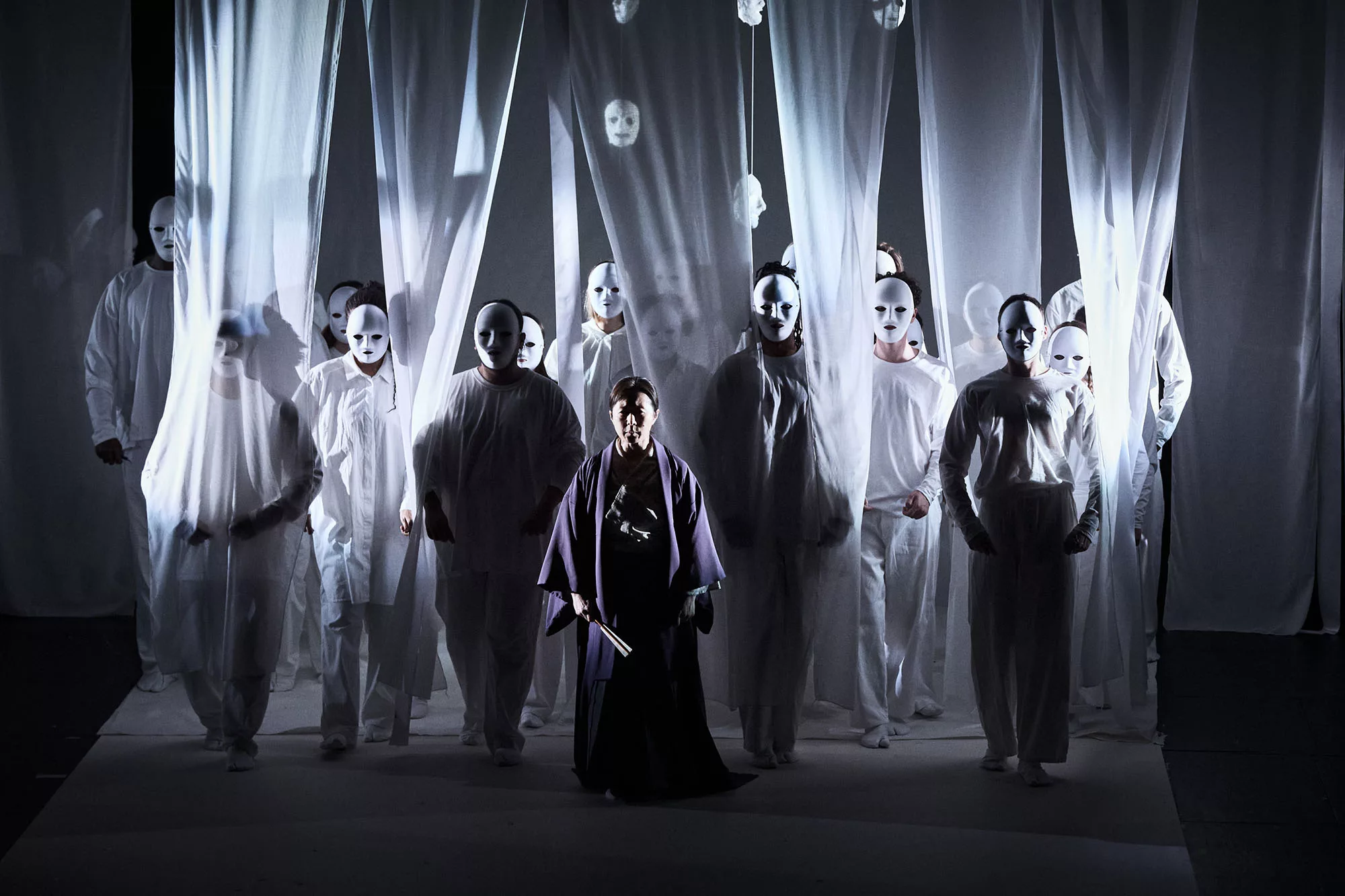
CONCEIVED SPECIFICALLY FOR THE 2026 GRADUATING CLASS OF THE CNSAD
Resonating with the legacies of Japan and the West. It explores the fragility, complexity, and plurality of our human condition.
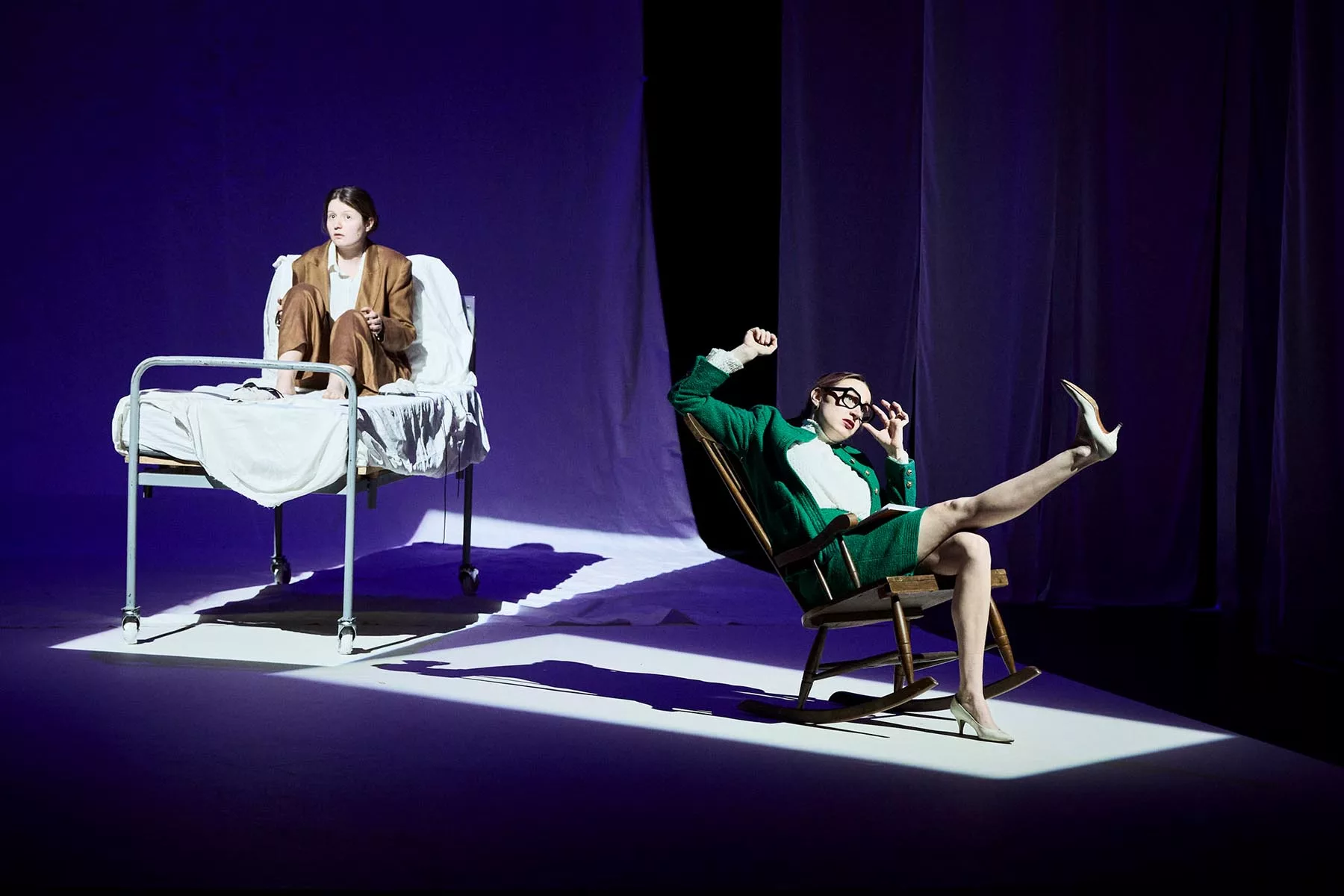
A contemporary dramatic fantasy inspired by The Tale of Genji by Murasaki Shikibu
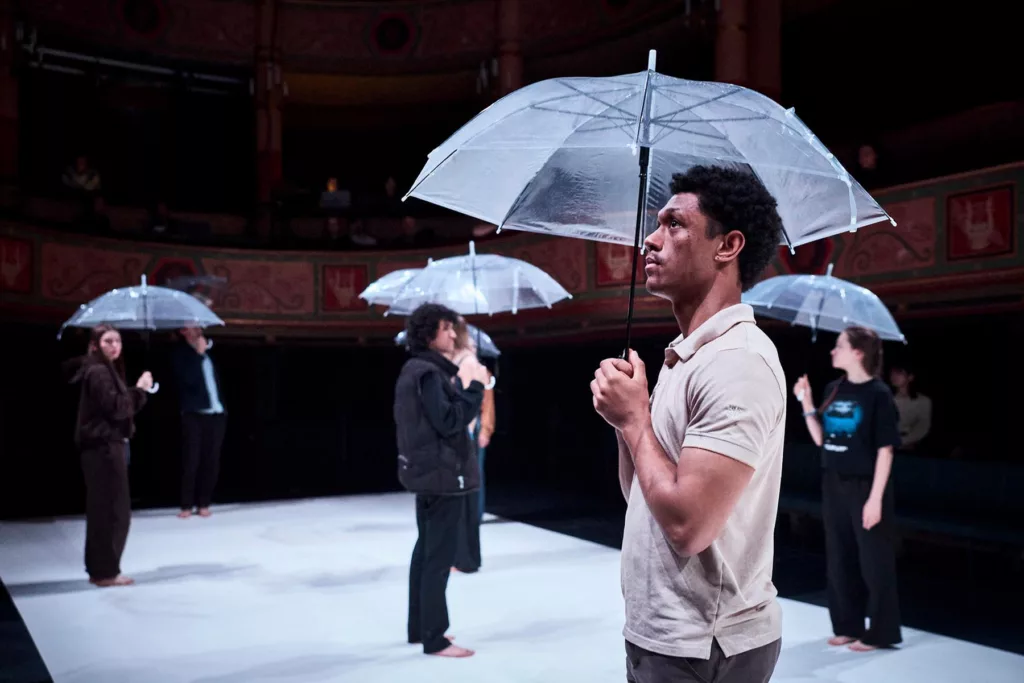
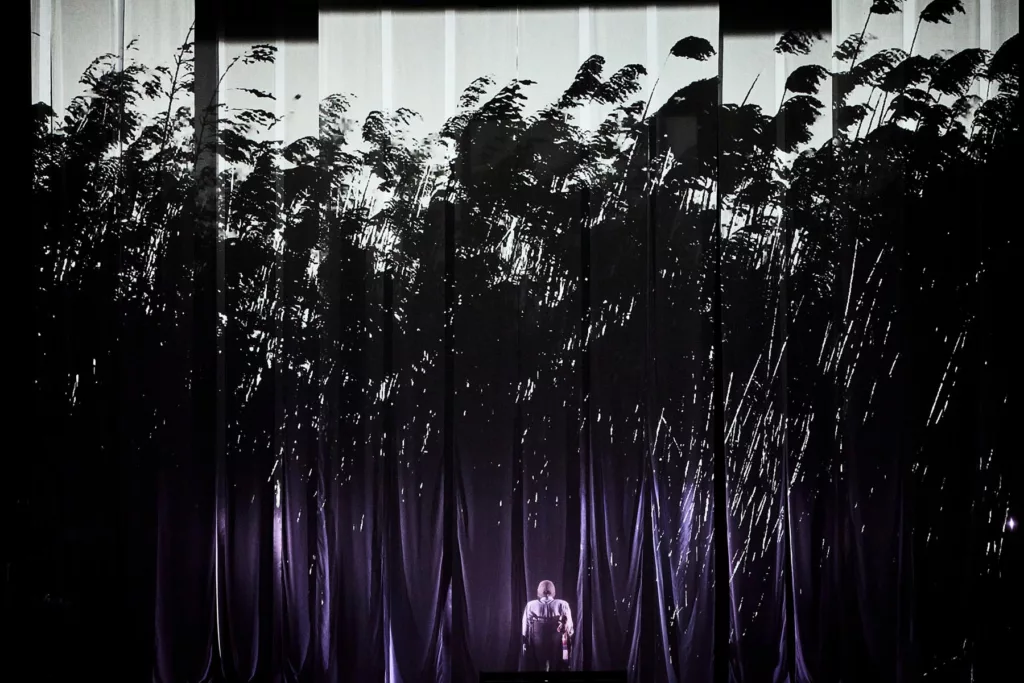
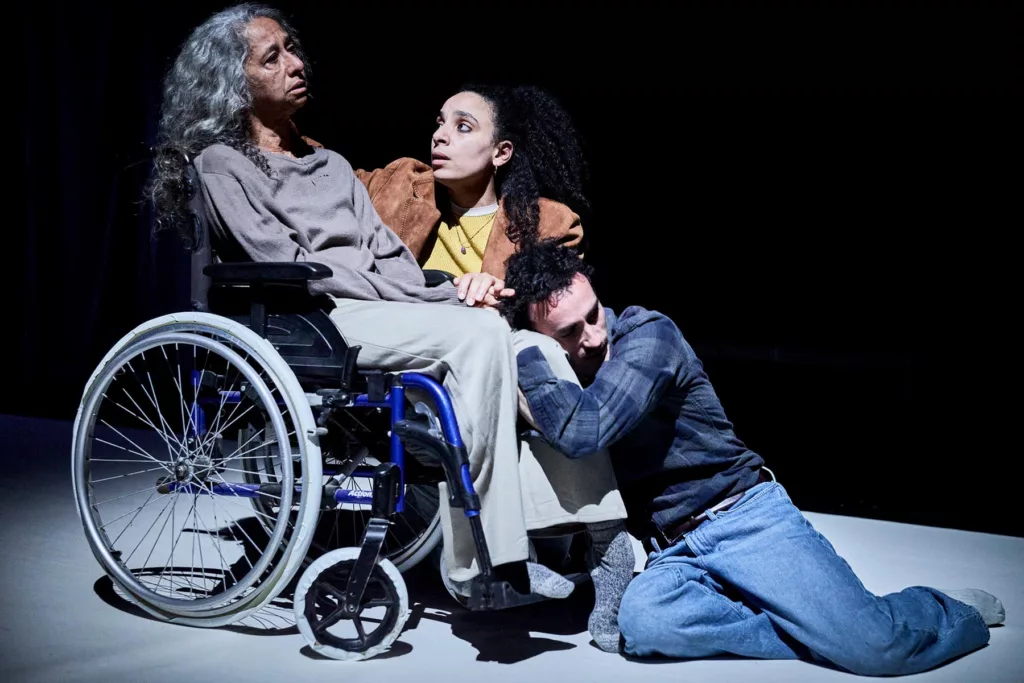
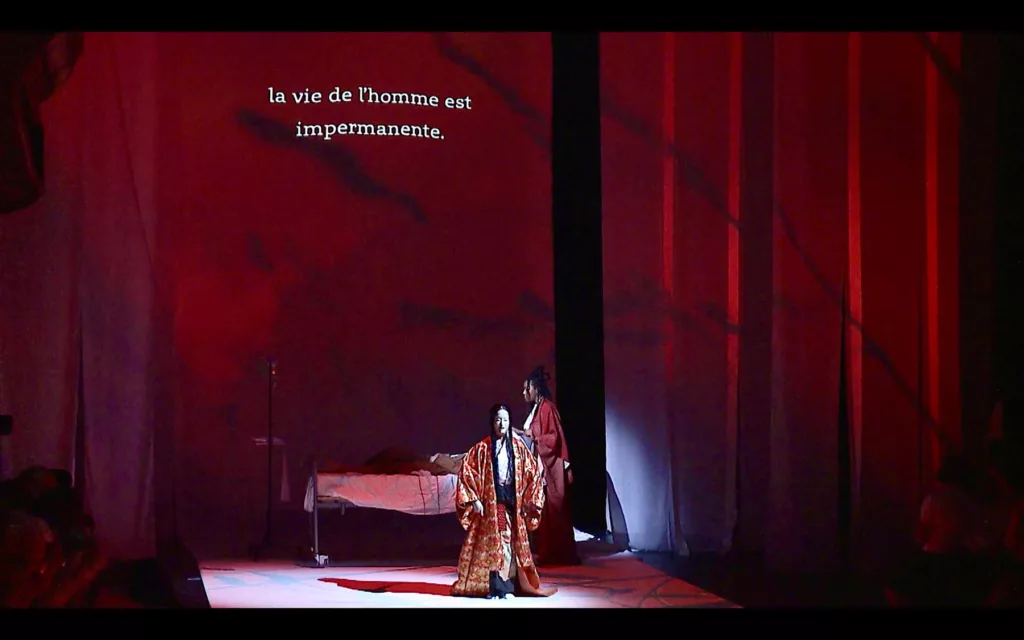
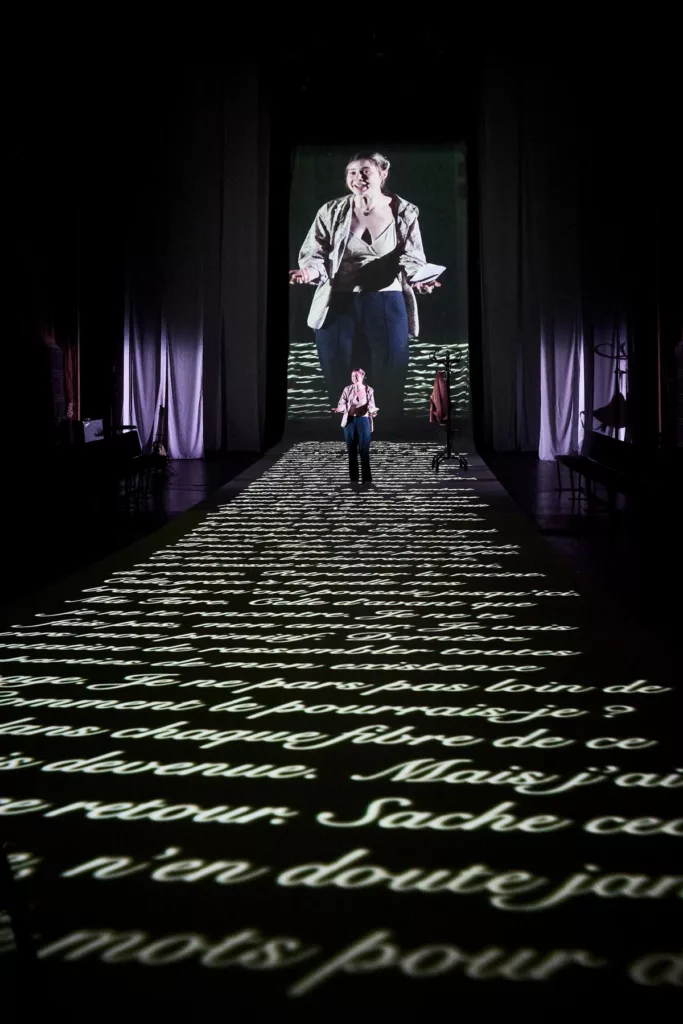
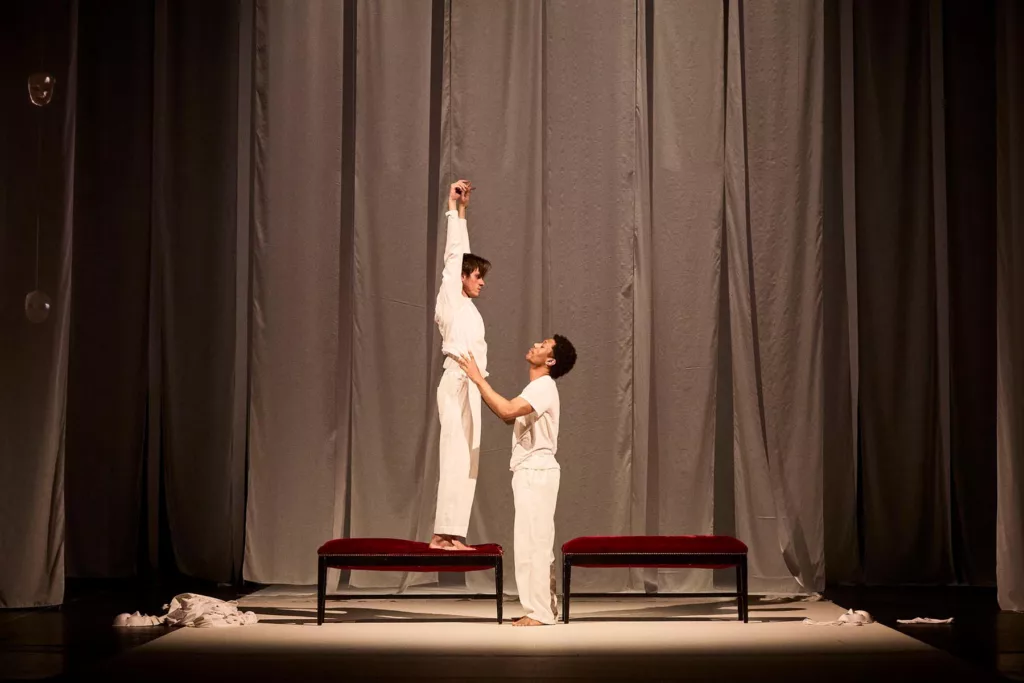
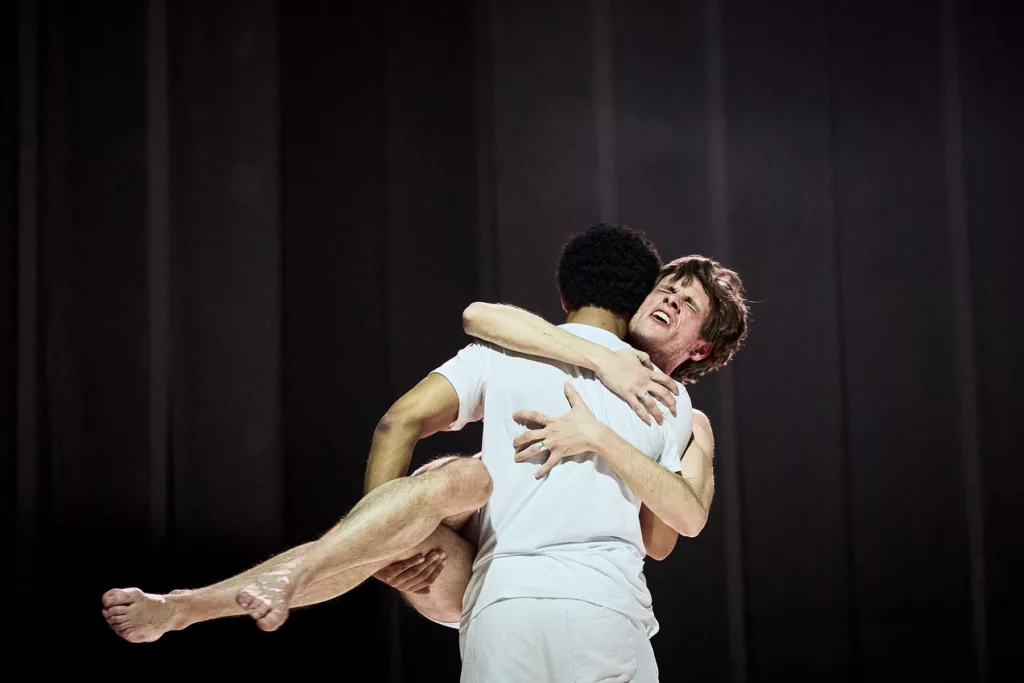
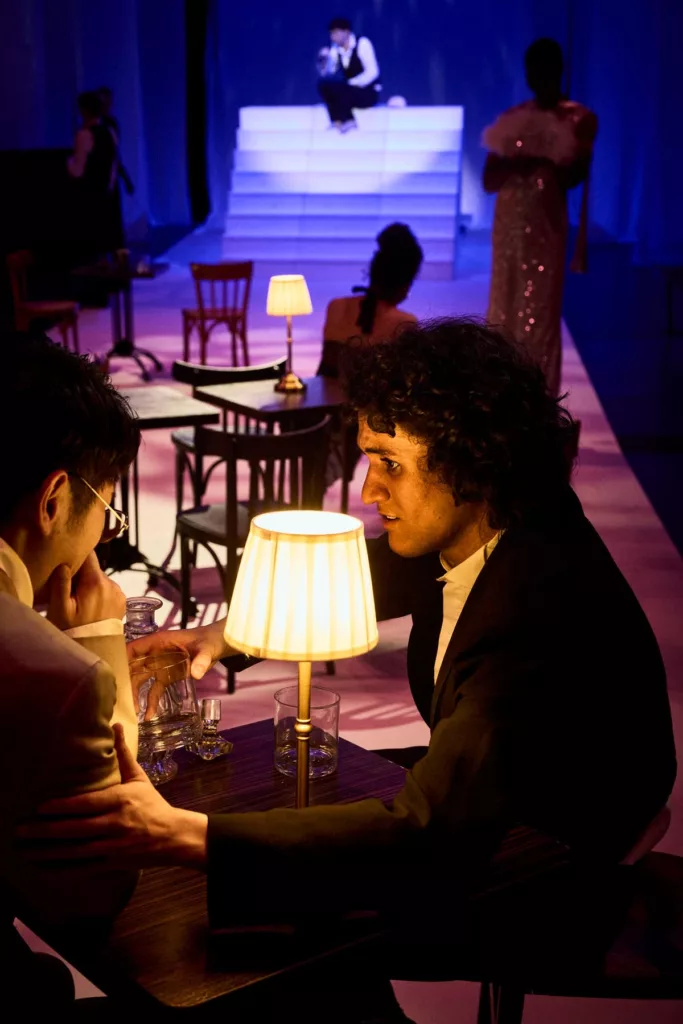
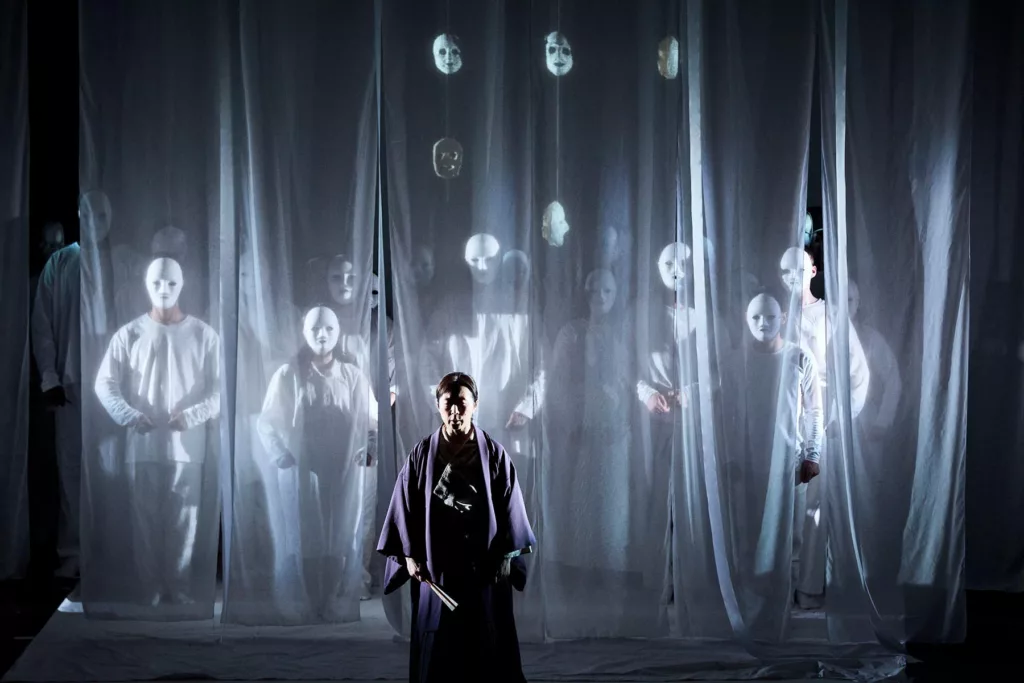
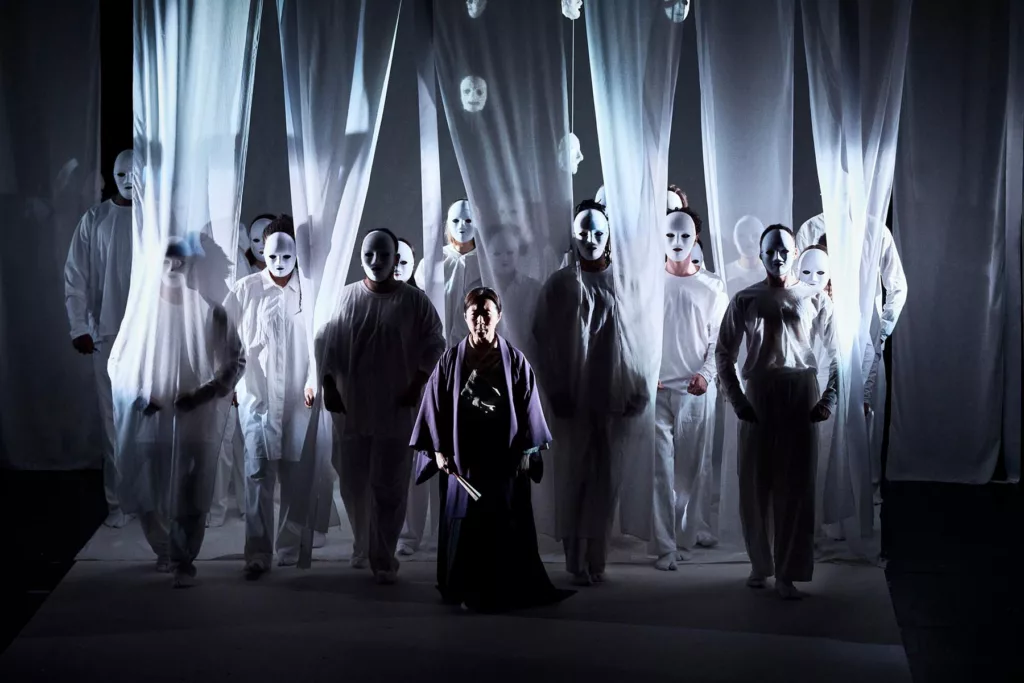
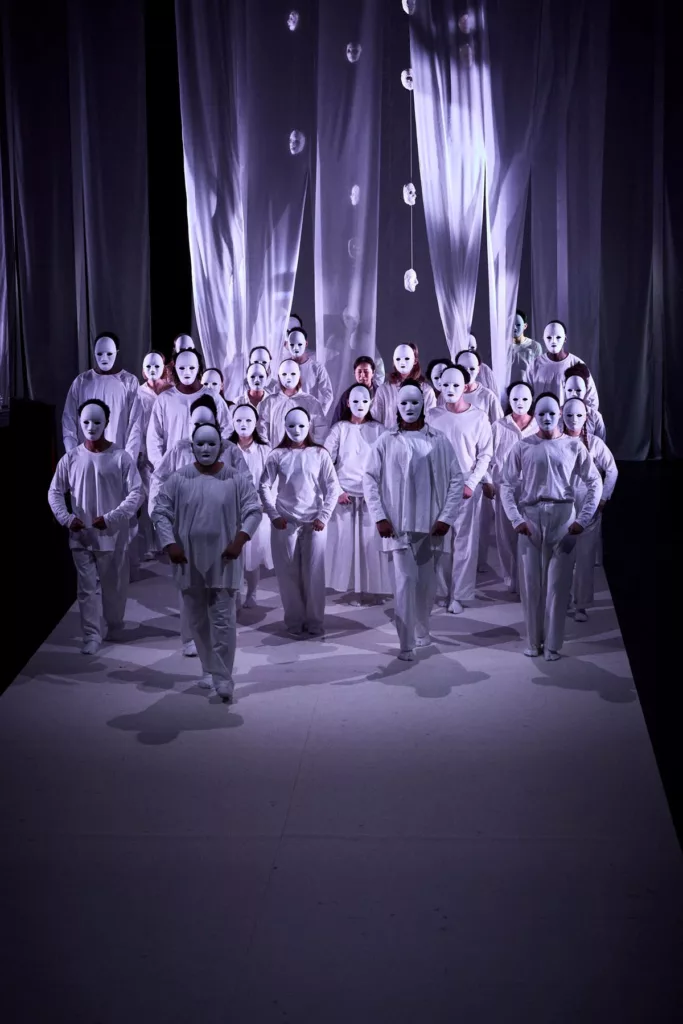
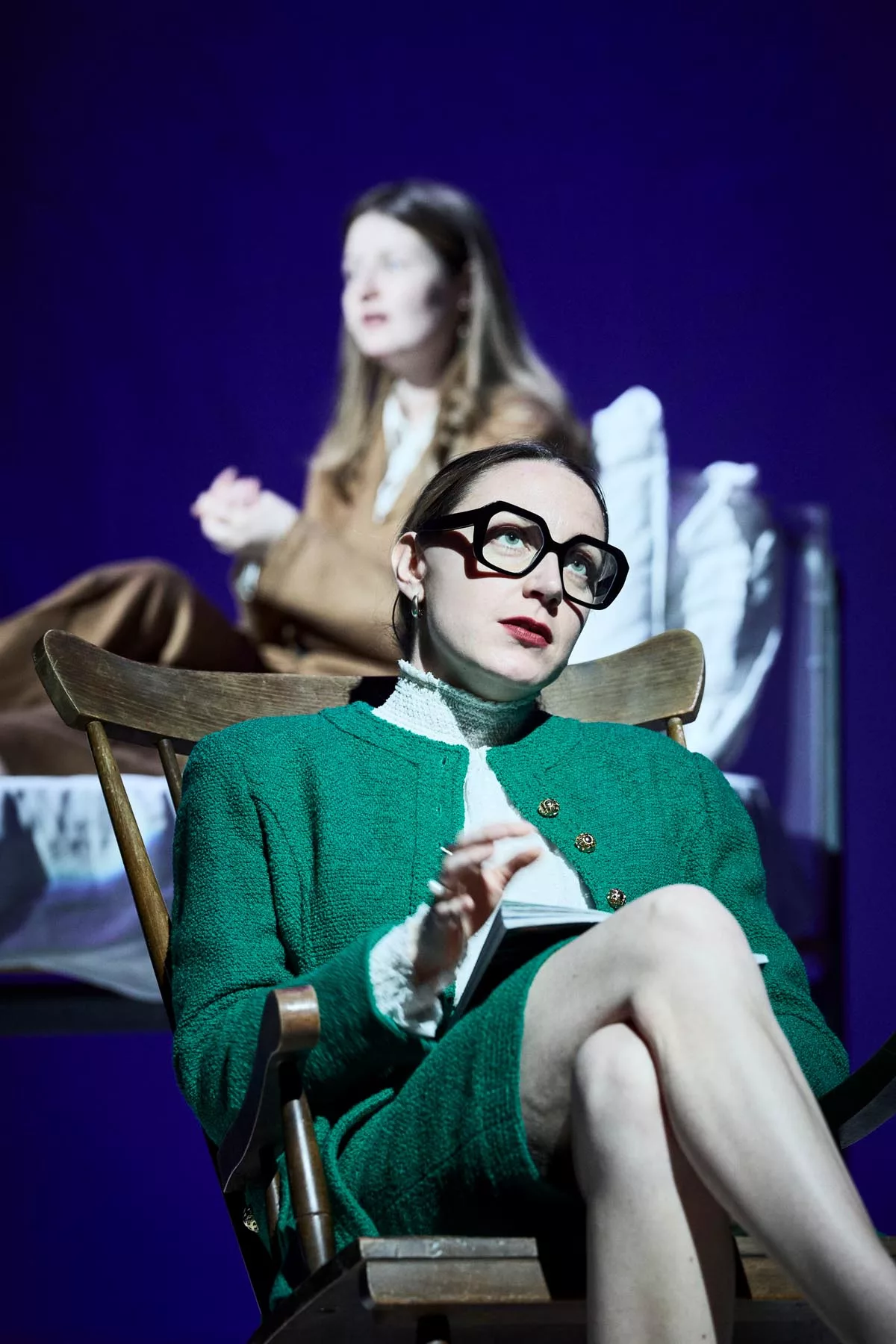
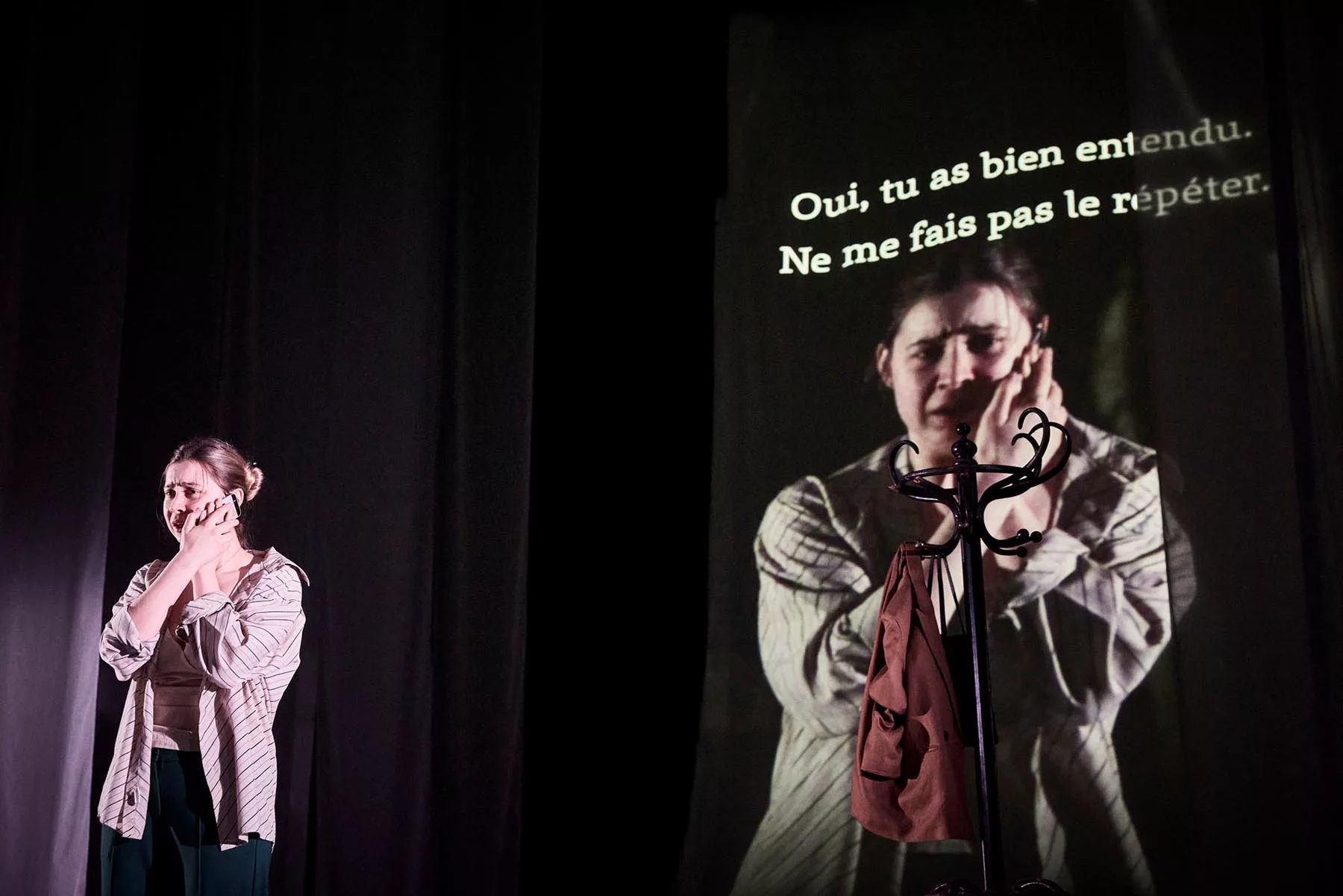
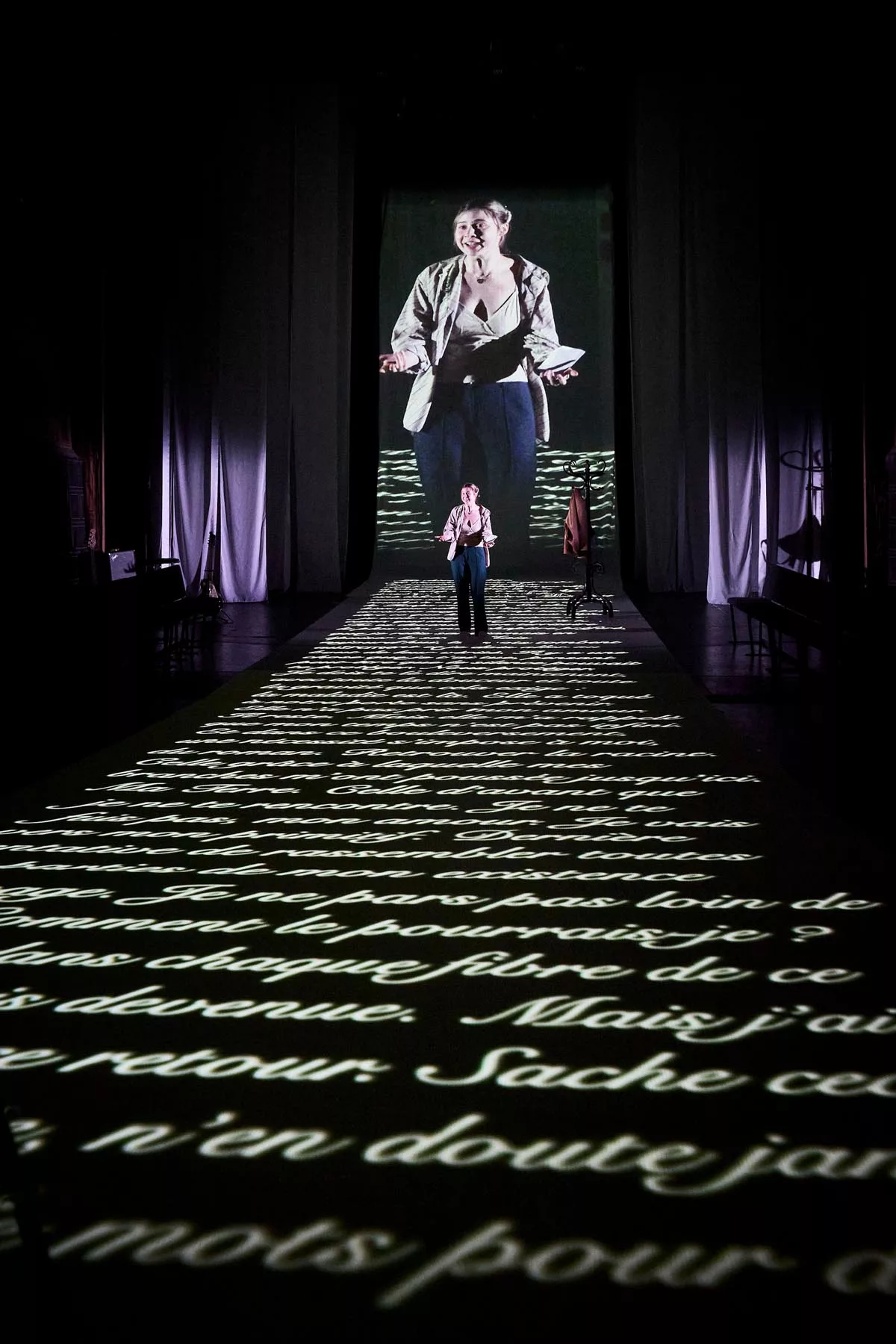
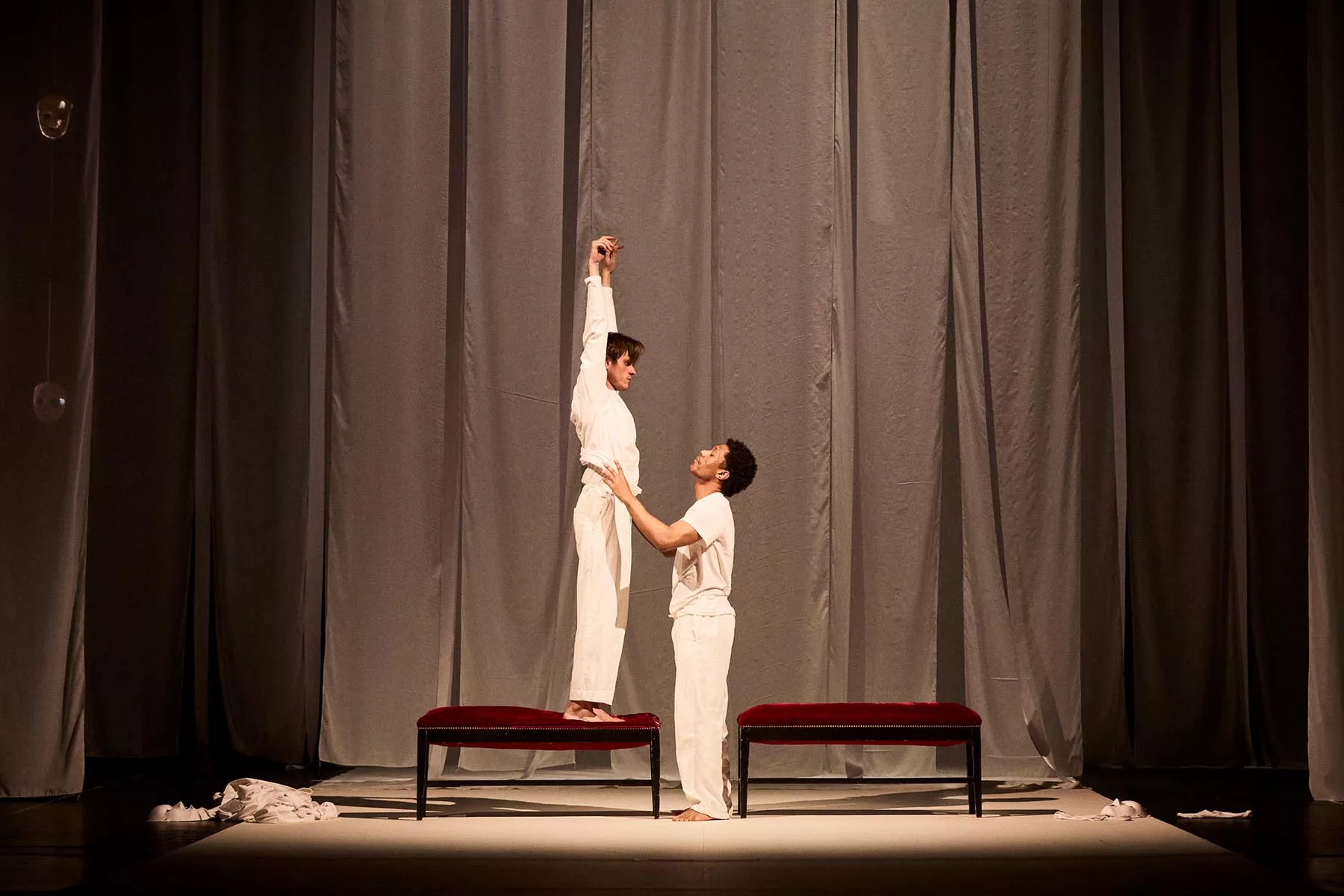
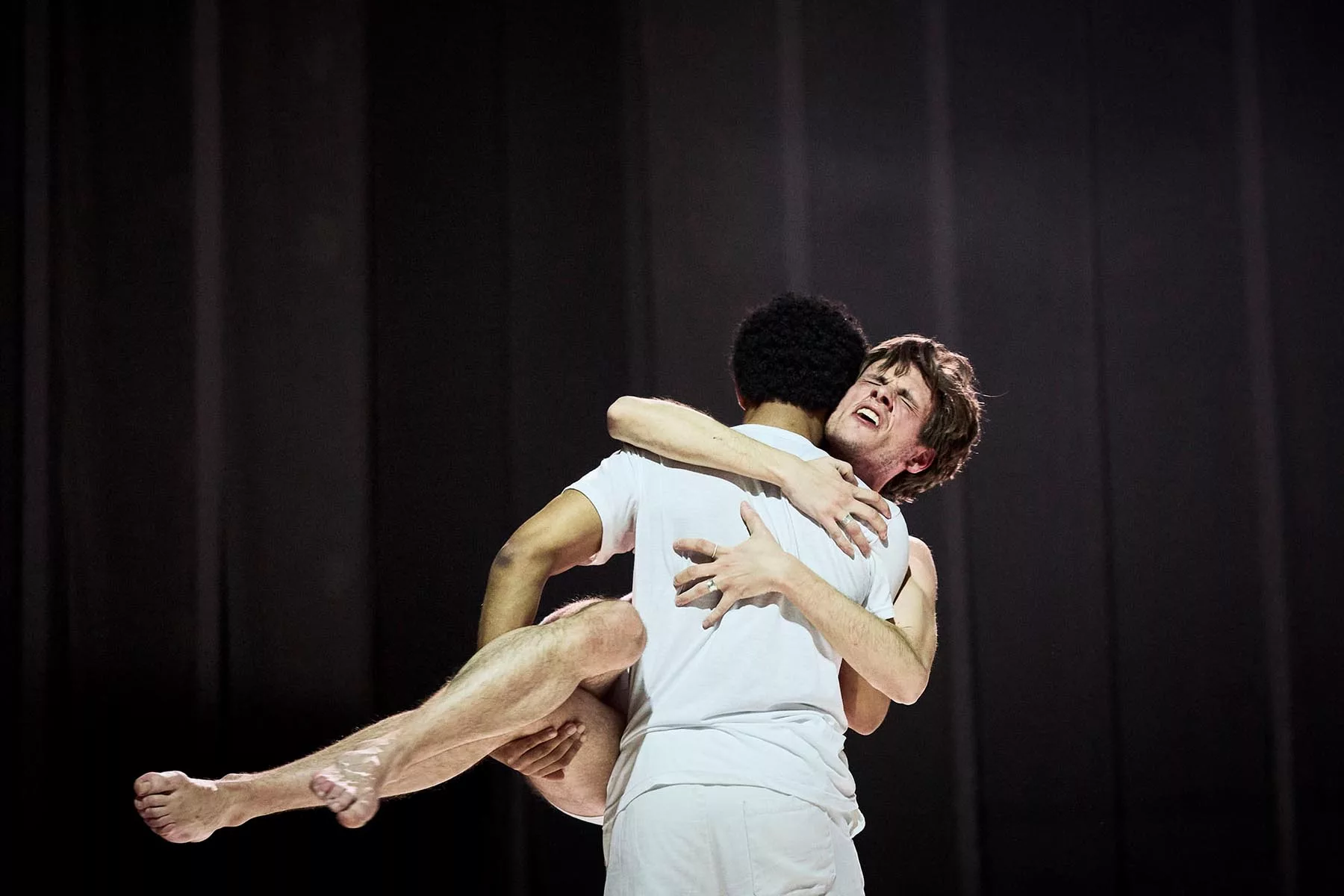
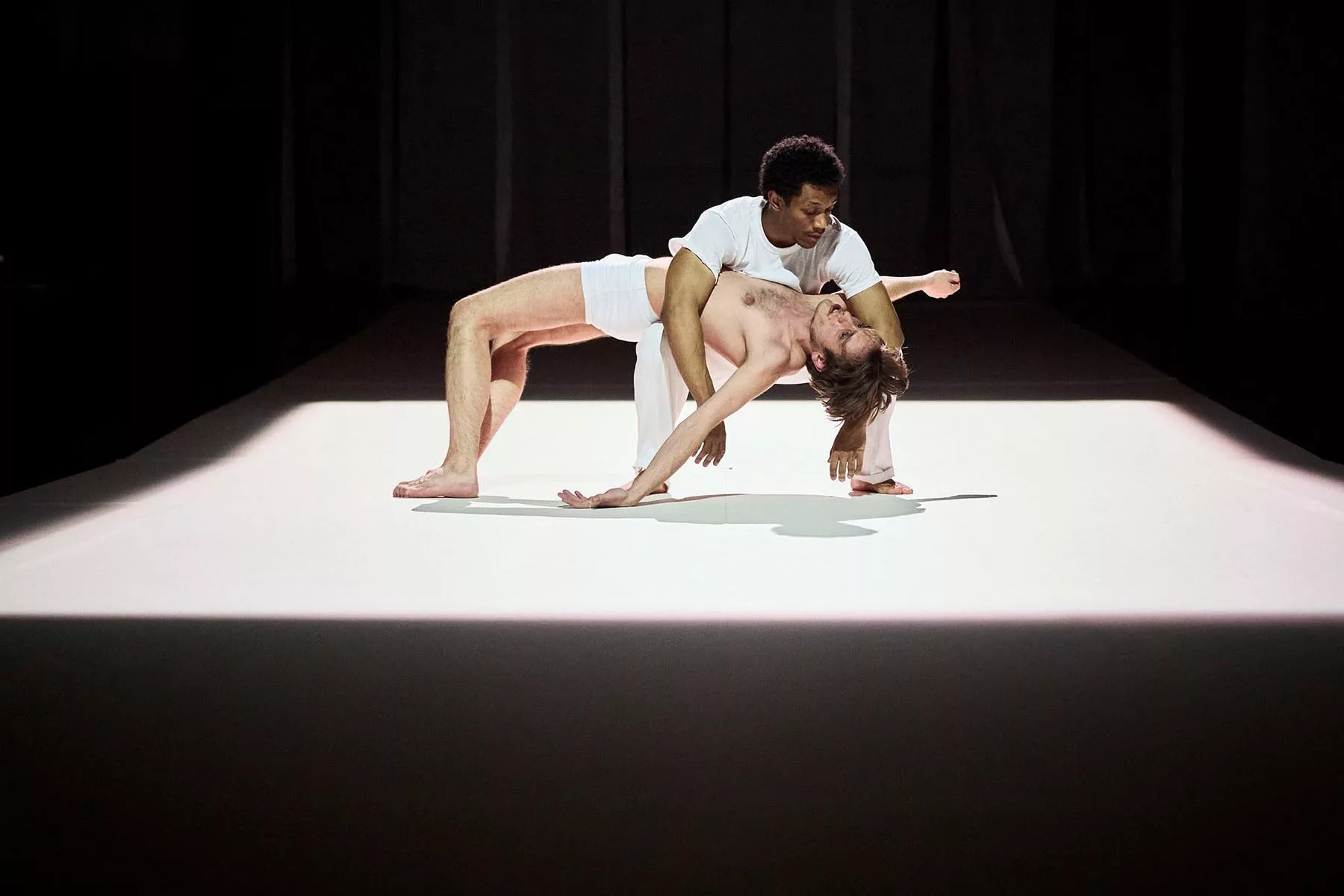
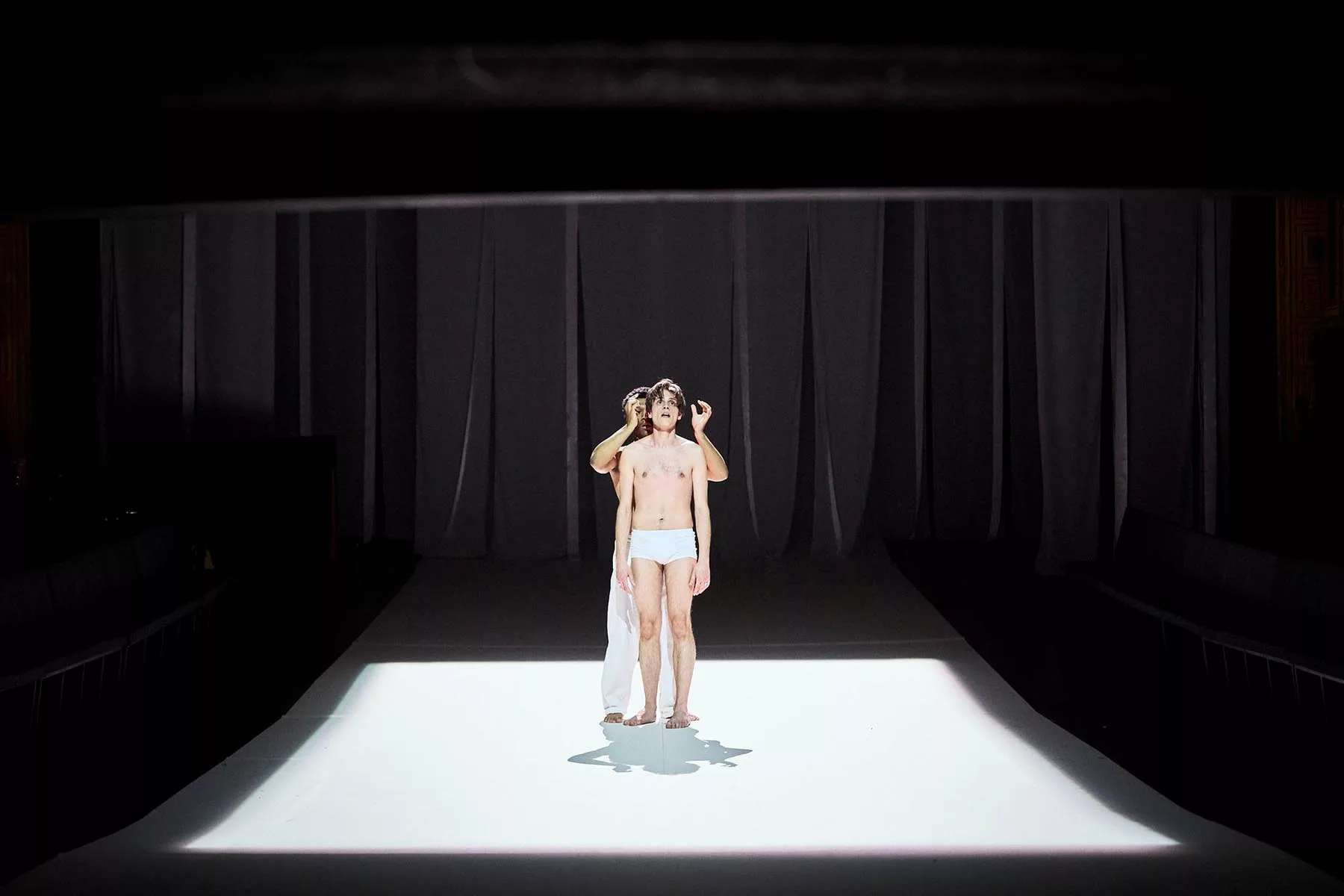
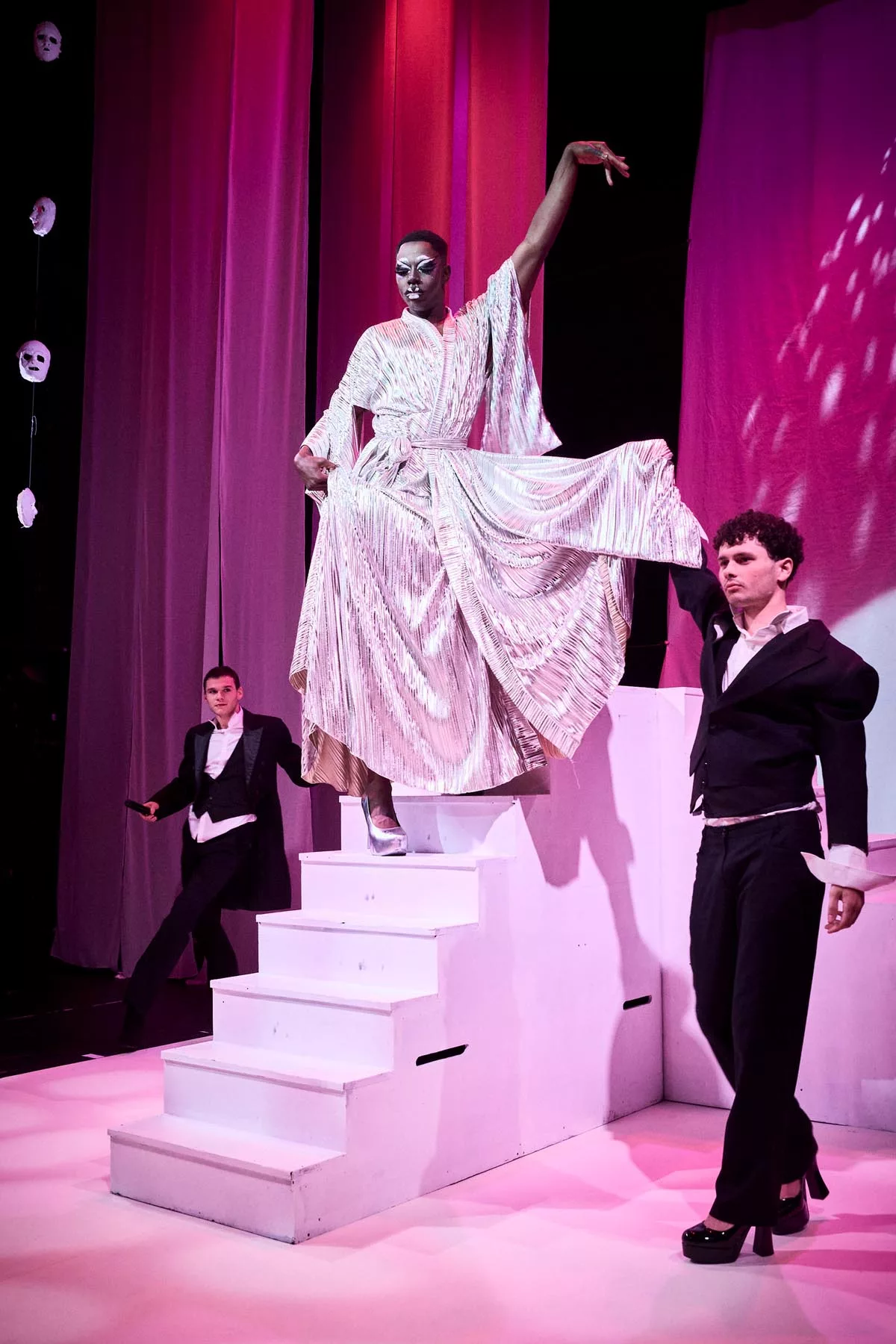
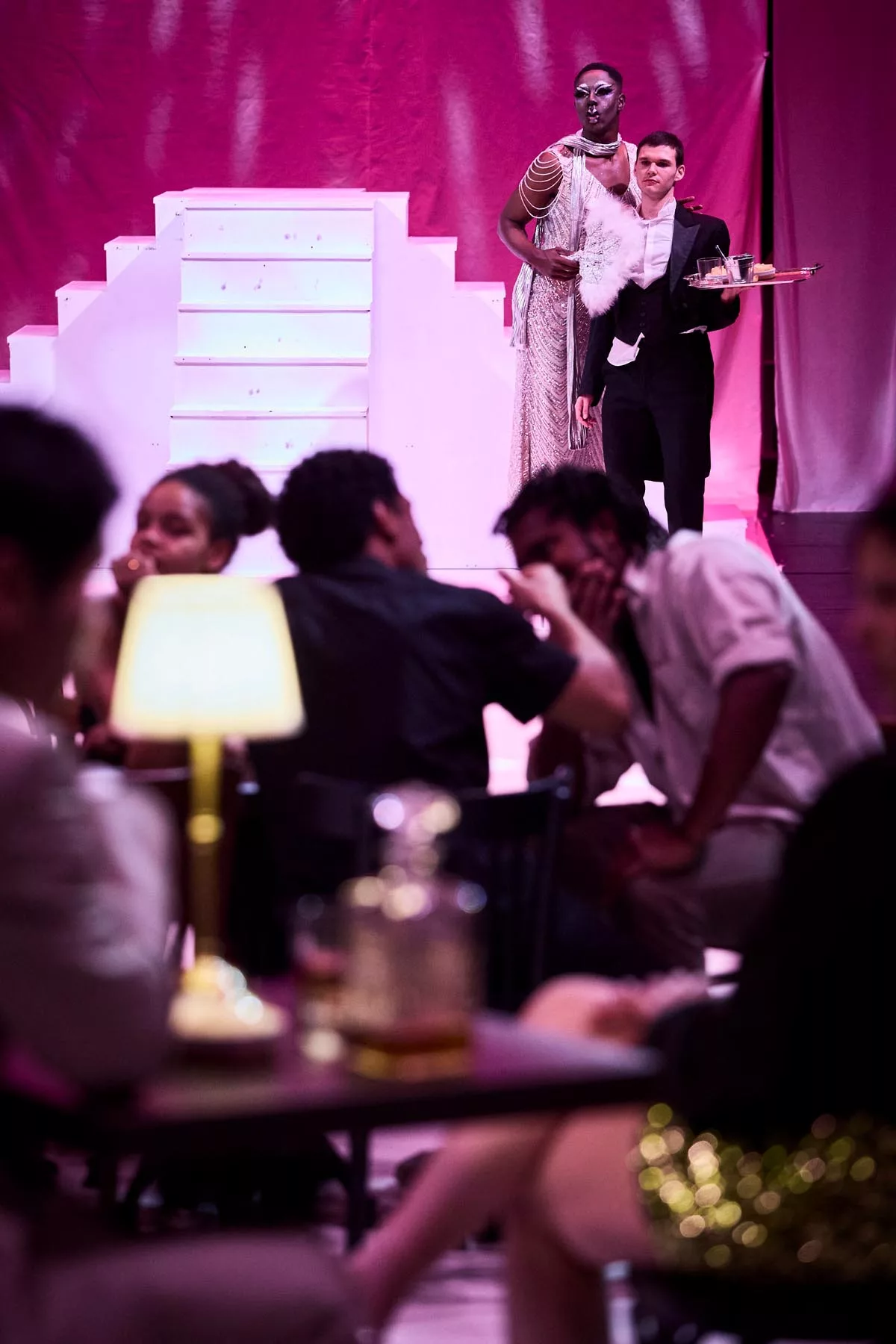
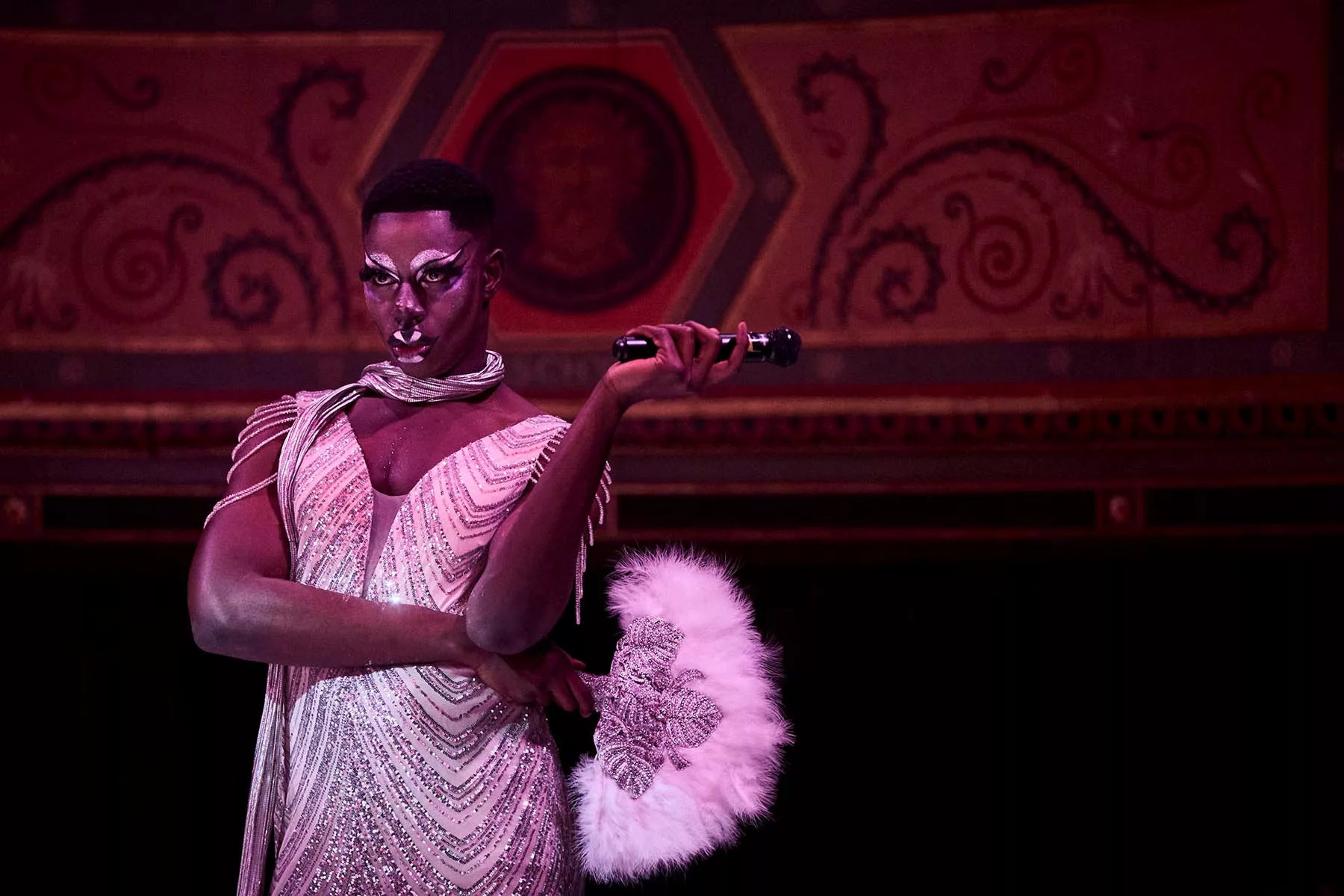
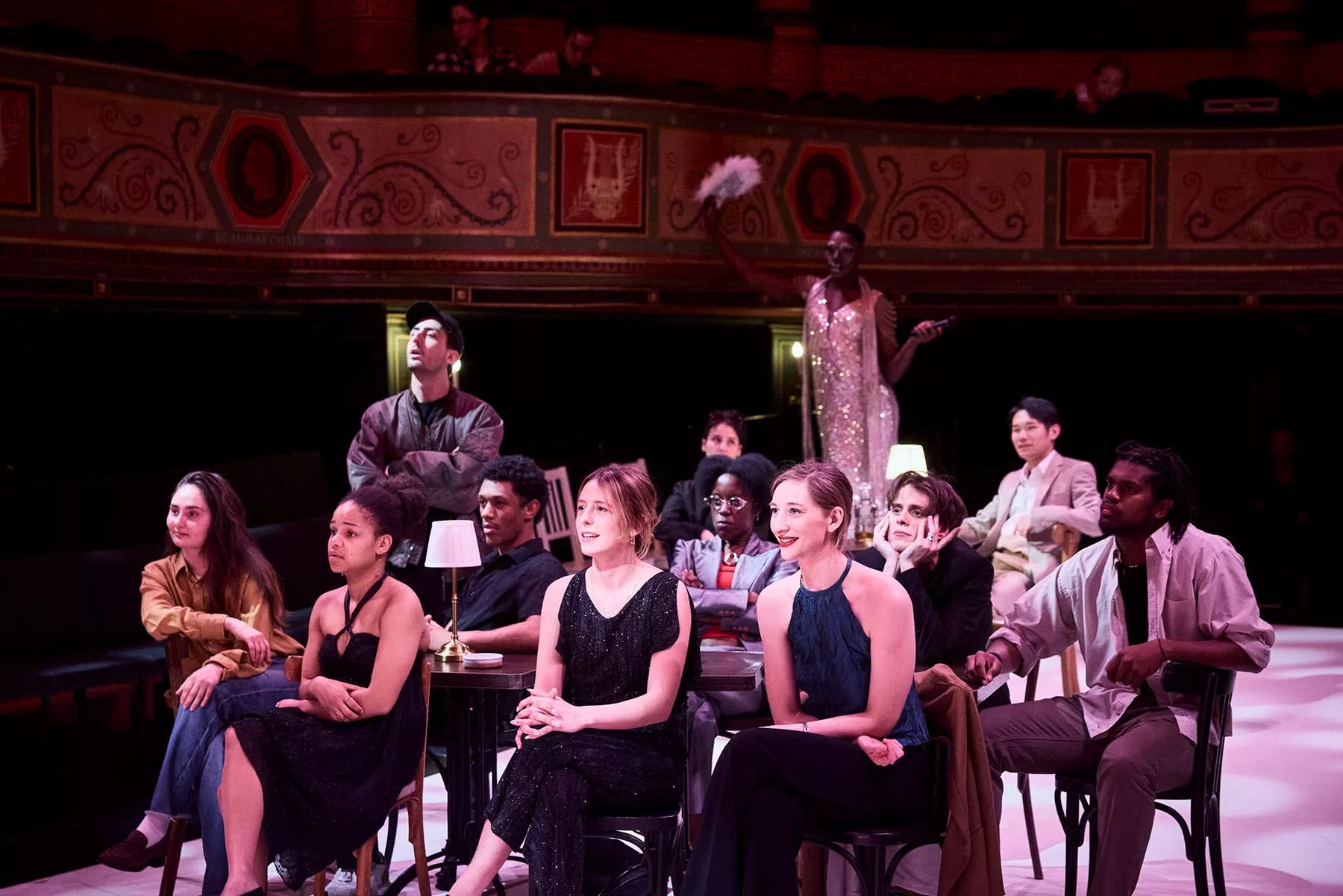
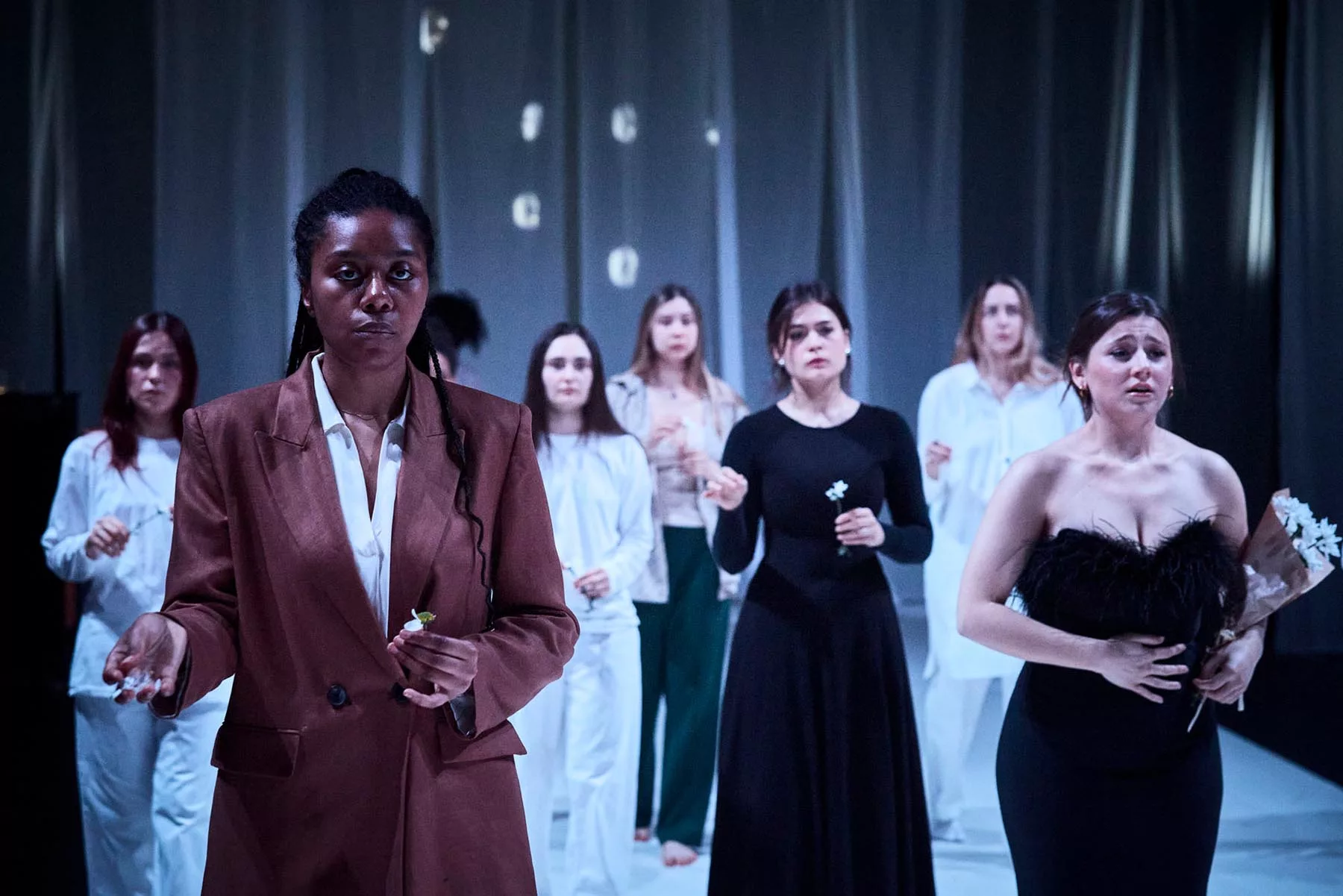
The Floating Bridge of Dreams (temporary title) is a multilingual rhapsody that connects two worlds. It opens up the questions of what connects us, and what eludes us: finitude and impermanence, inevitable solitudes and shared memories. The performance reflects and intertwines the cultural and poetic influences of both Japan and France with a diverse group of artists from all over the world.
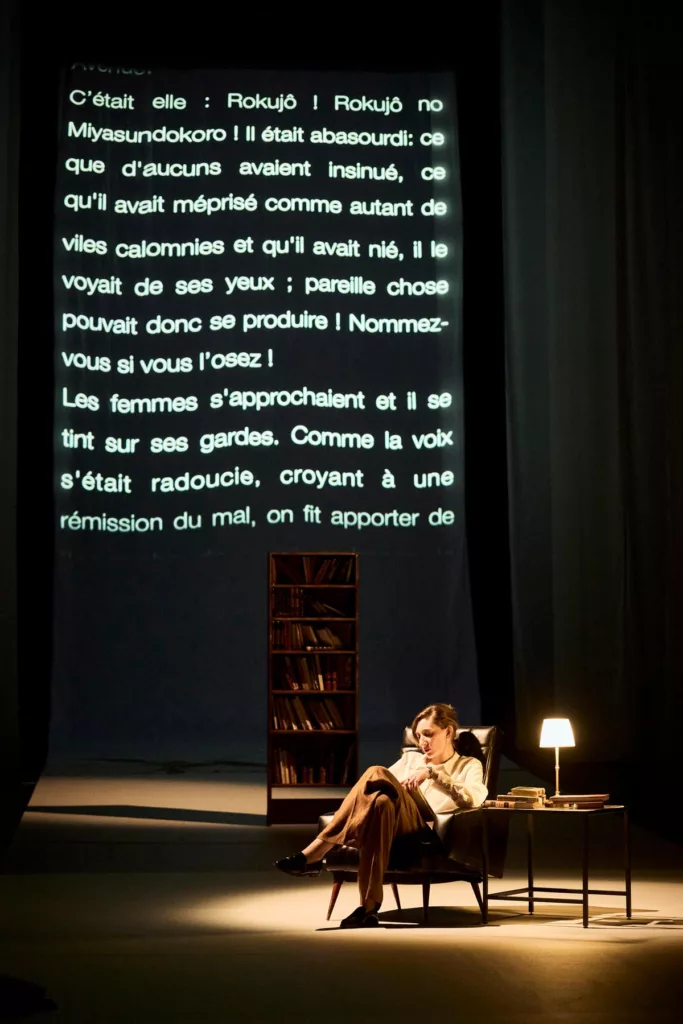
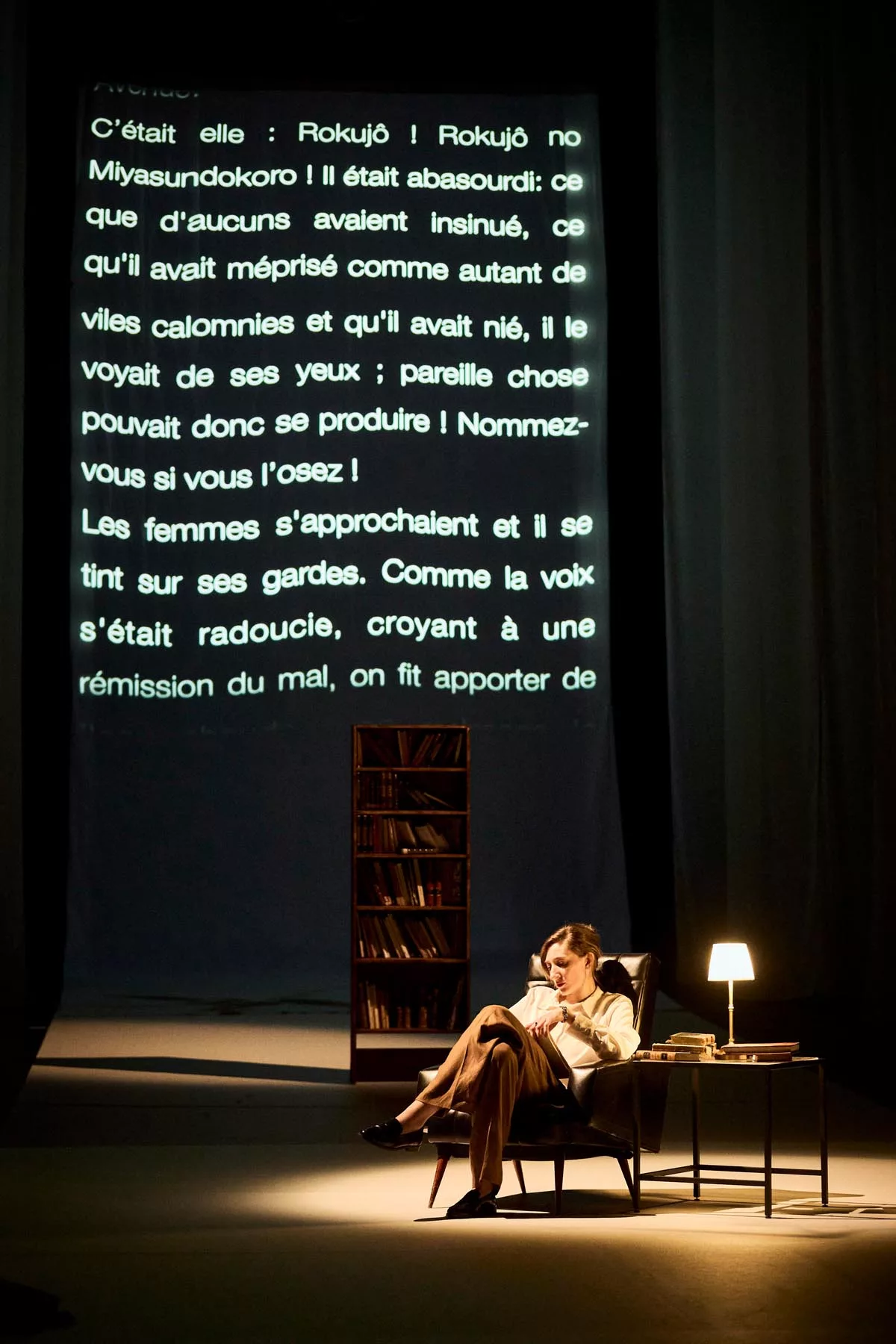
Conceived specifically for the 2026 graduating class of the CNSAD (National Conservatory of Dramatic Art), the text uses as its dramatic springboard The Tale of Genji (源氏物語, Genji Monogatari). Written by Murasaki Shikibu, a Japanese female author, poet, and intellectual who lived between the 10th and 11th centuries AC; the Tale of Genji is considered the world’s first novel in the modern sense. Celebrated as one of the most important figures of Japanese literature, Murasaki Shikibu was admired by Virginia Woolf, Marcel Proust, Jorge Luis Borges, and James Joyce. Within more than 1,500 pages, the Tale of Genji brings light to the complexity of the human soul with unparalleled depth and striking modernity. The rhapsodic writing alternates between prose and poetry, as the narrative is punctuated by some 800 waka (和歌), short poems typical of the Heian period. This true monument, written by a woman a thousand years ago, resonates today with the overtones of the ten centuries it has traversed. It can be read today with new analytical tools as well as stimulating original interpretations — particularly regarding gender issues and the condition of women — which deserve to be heard.
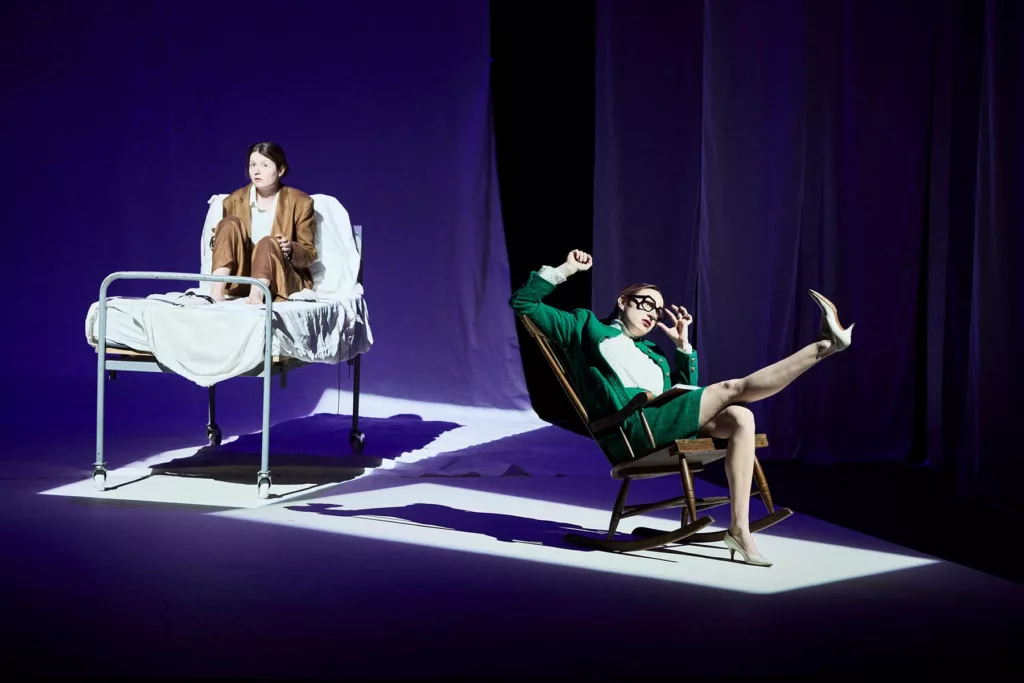
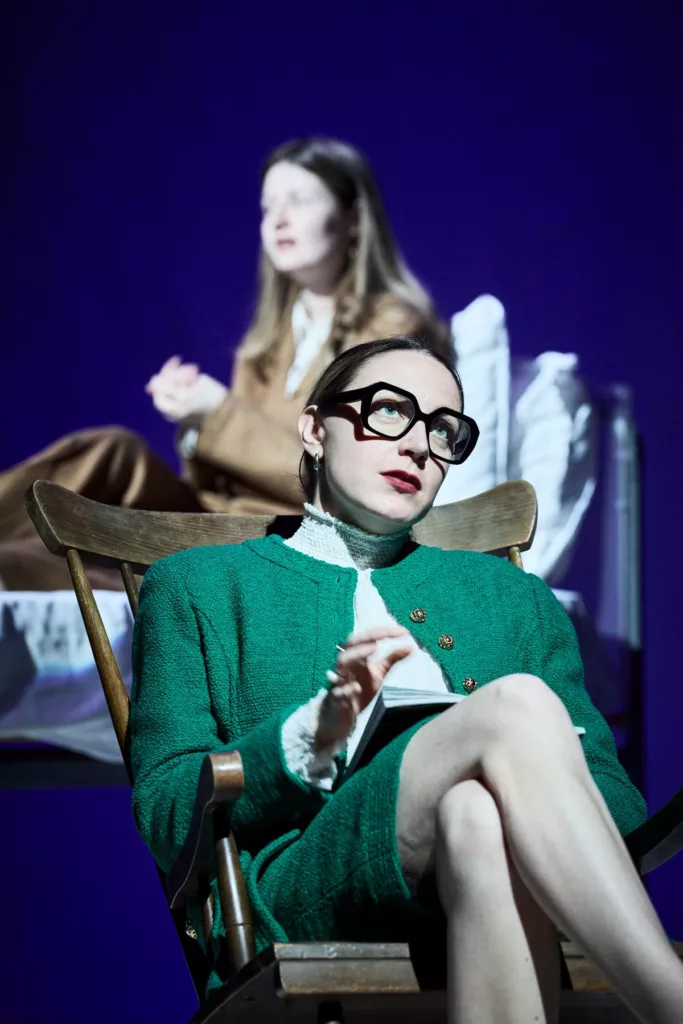
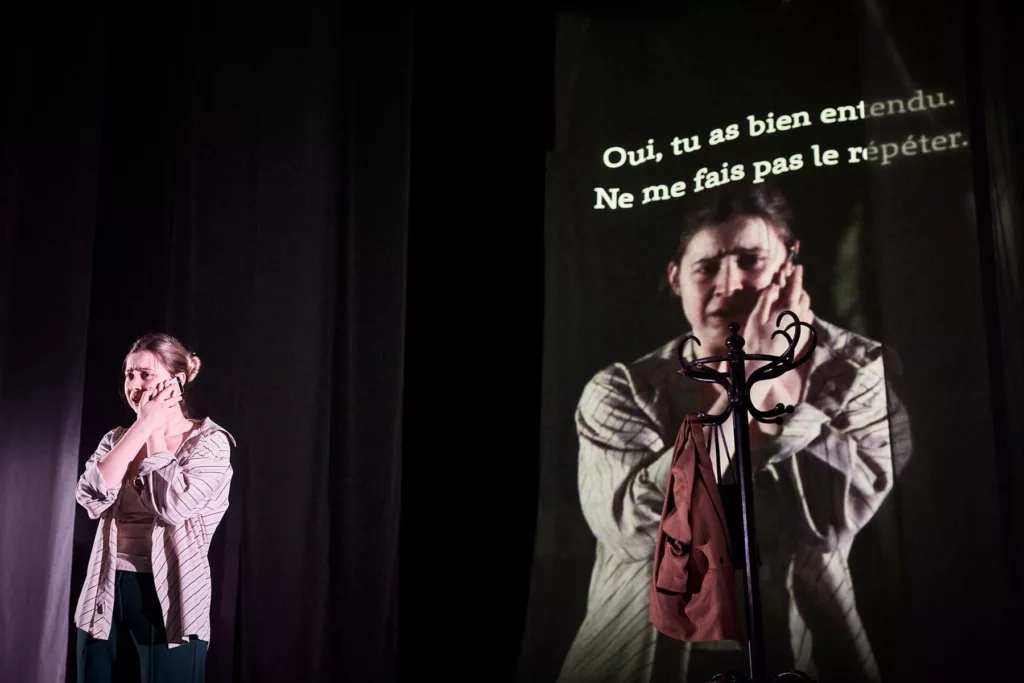
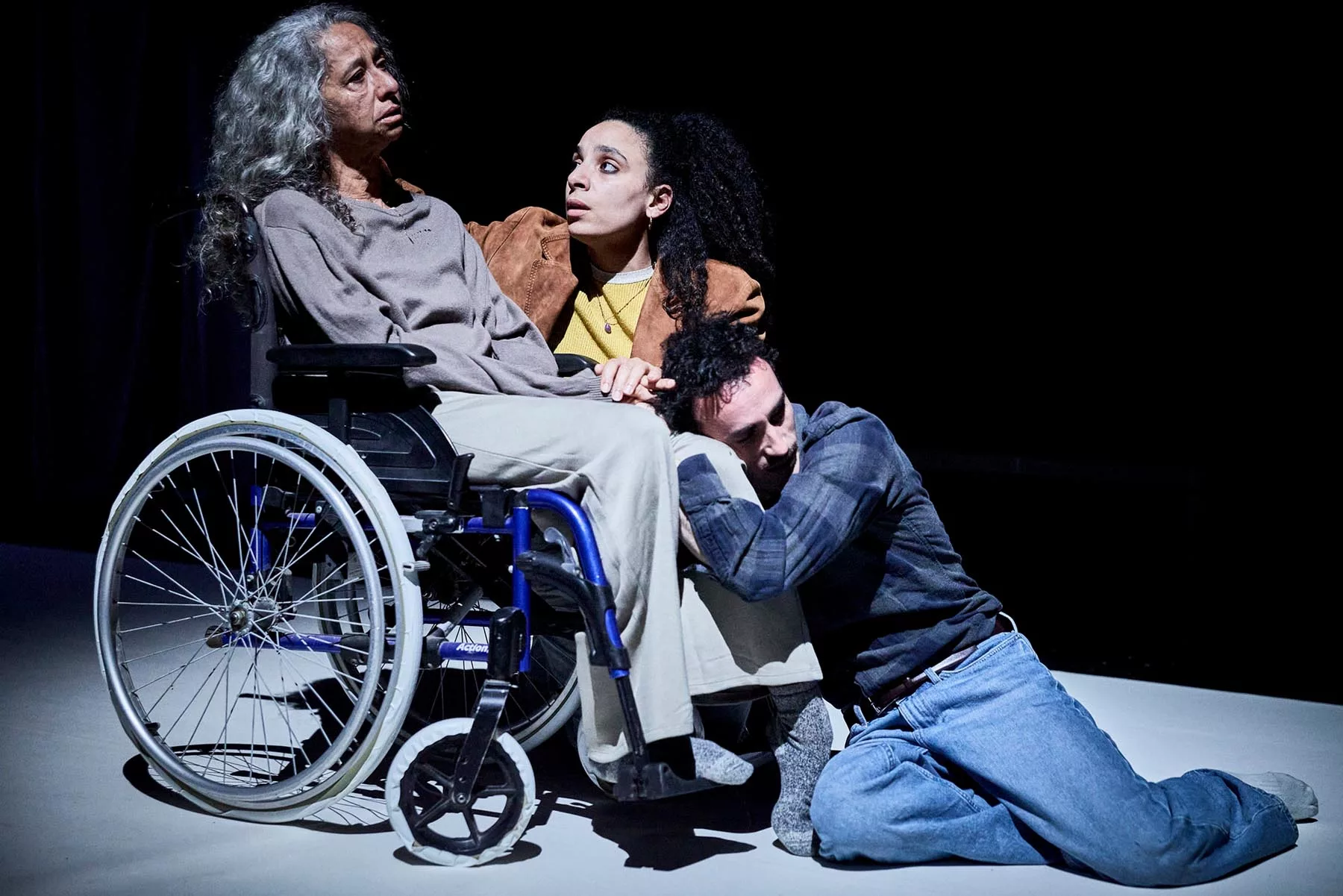
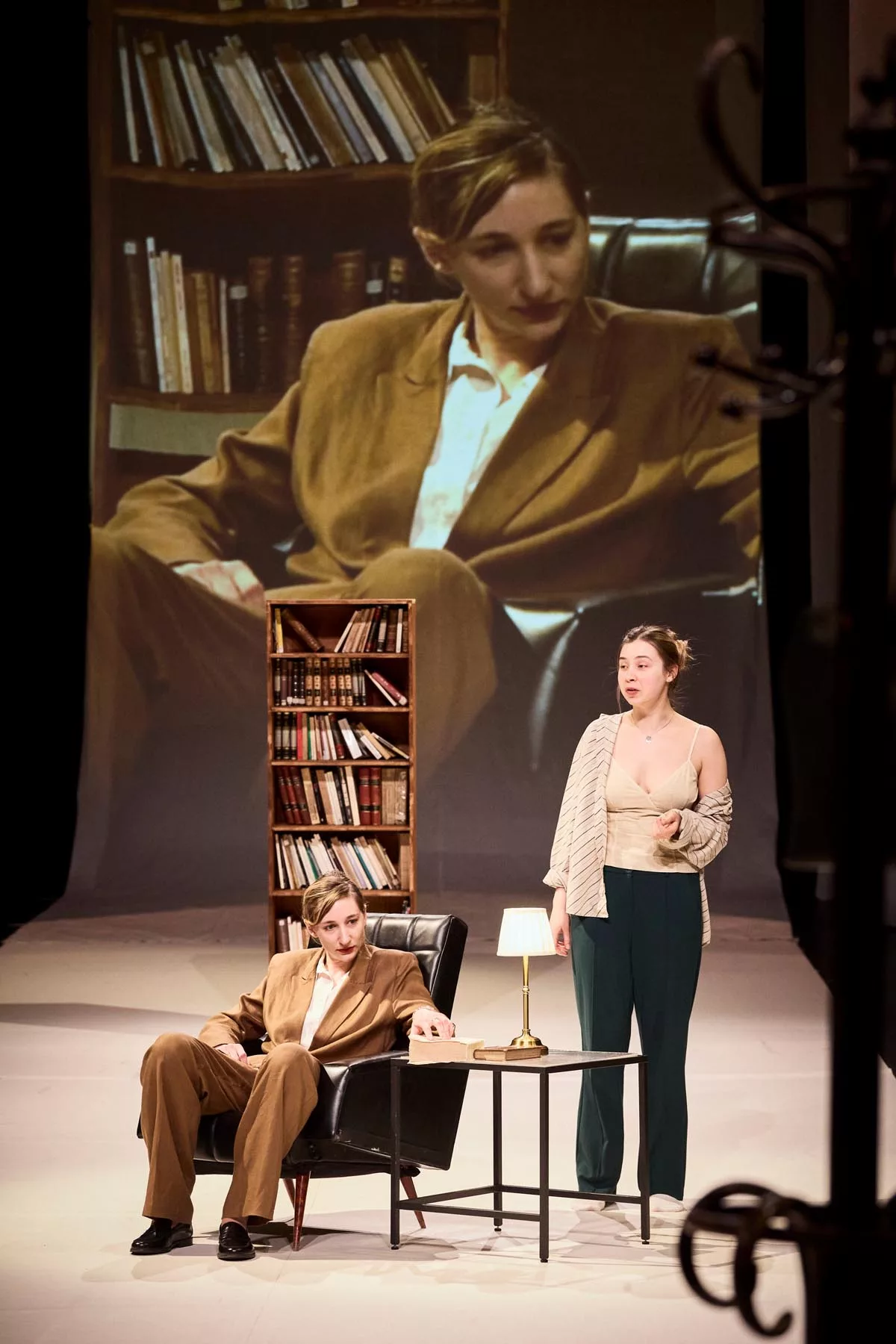
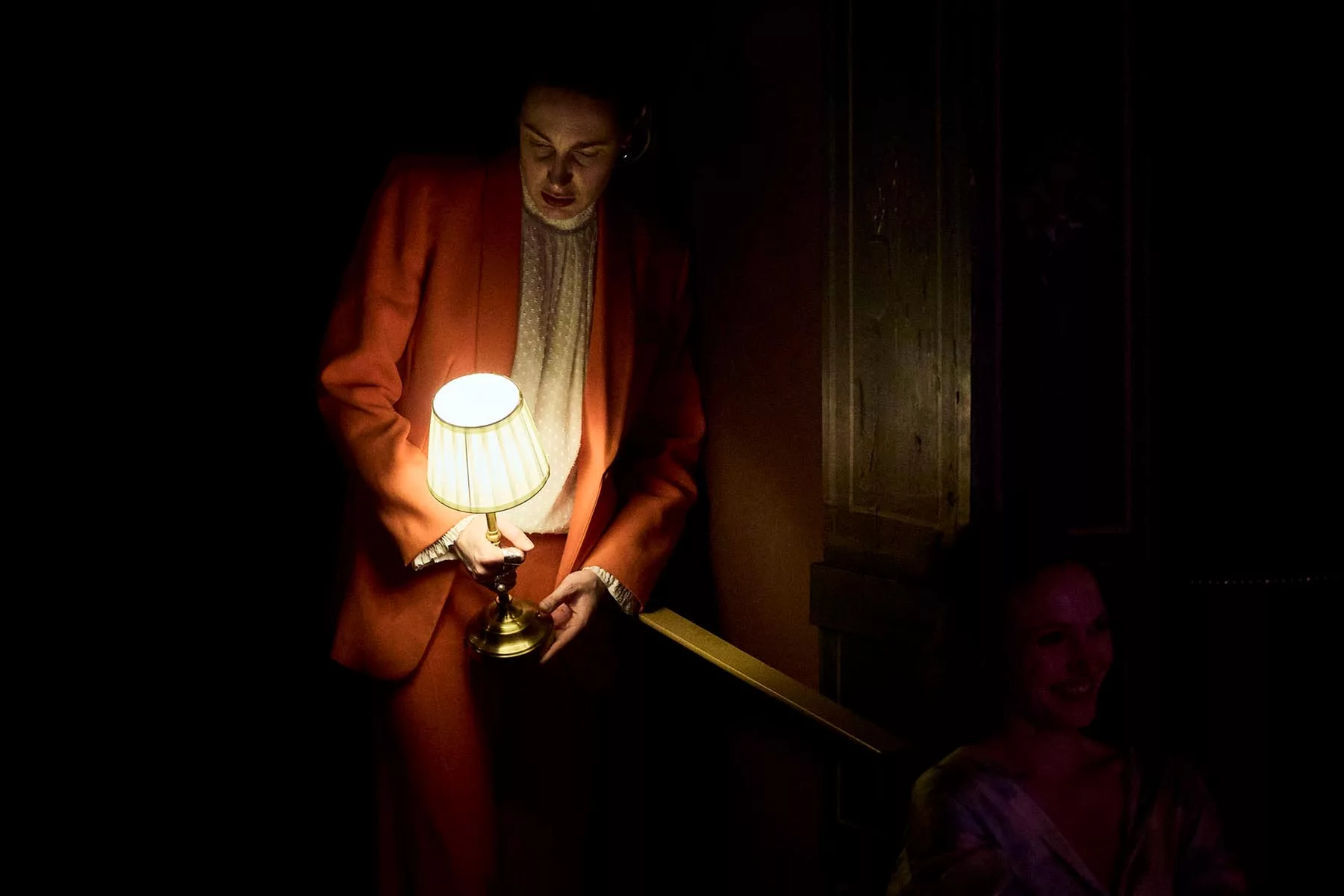
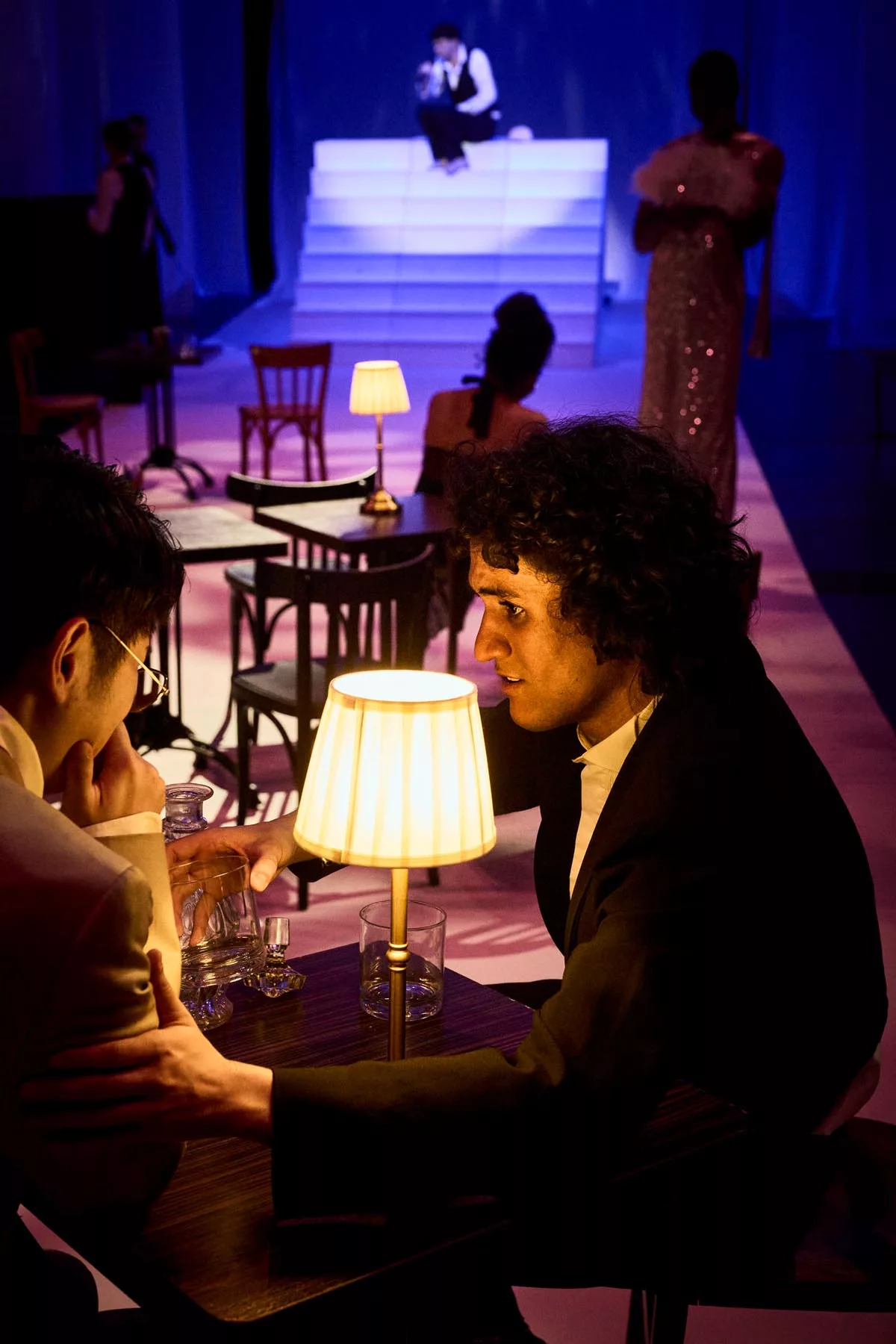
To achieve this, I decided to overlay another narrative. Rather than a simple adaptation, The Floating Bridge of Dreams is a fully-fledged contemporary dramatic fiction where men and women of today grapple with the novel’s stakes through their own experiences of life and death. All of them, to some extent, are crossed, sometimes haunted, by the Tale of Genji; a complex and elusive labyrinth that constantly slips through their fingers. And through mine…
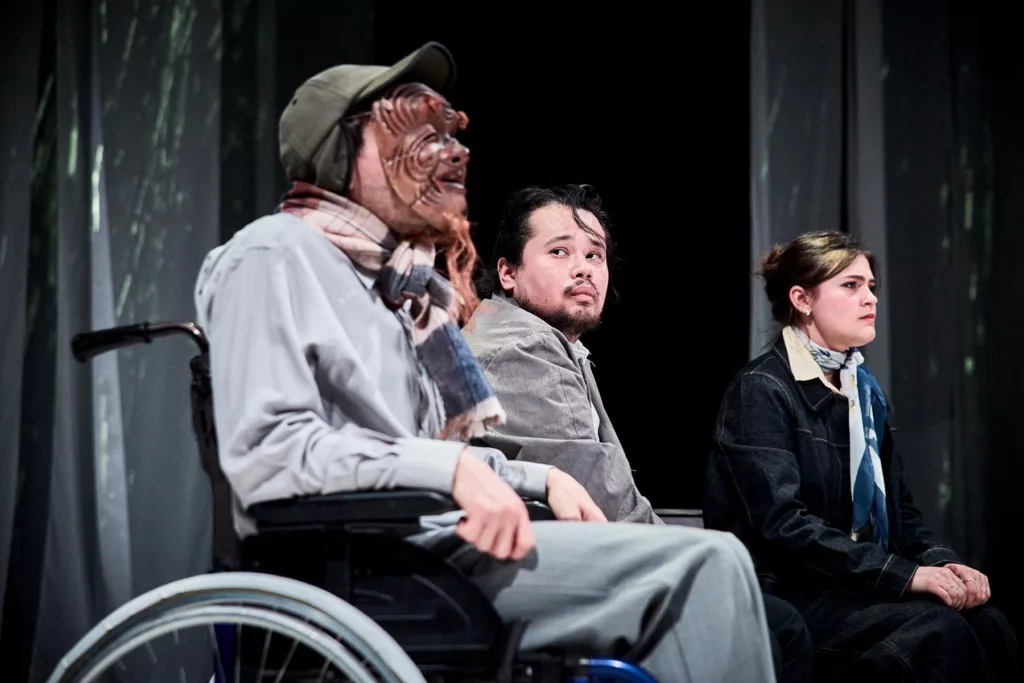
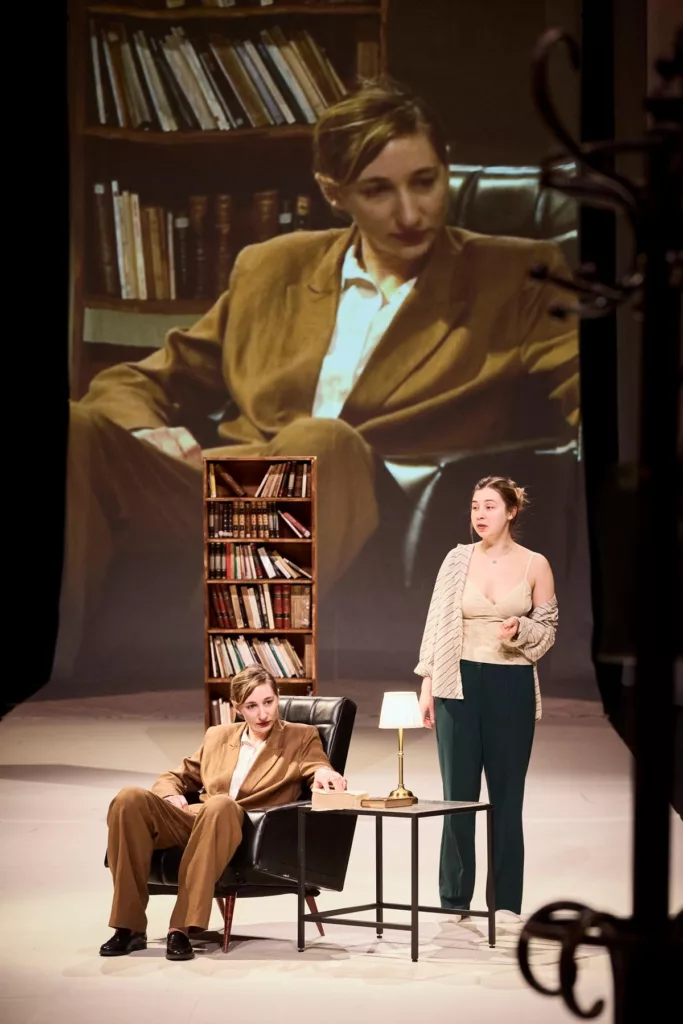
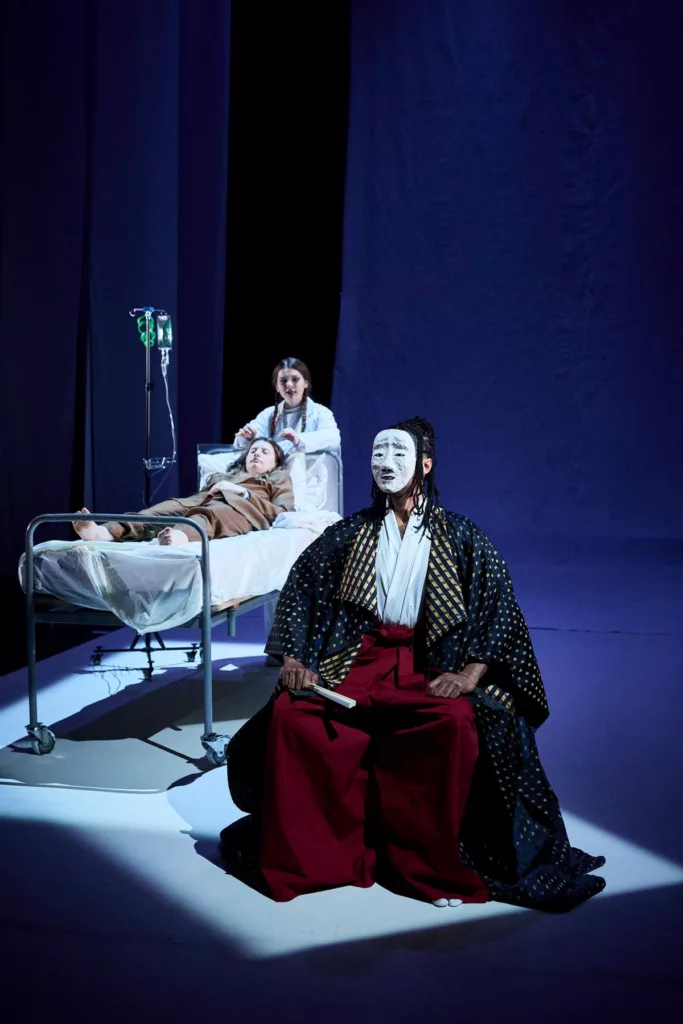
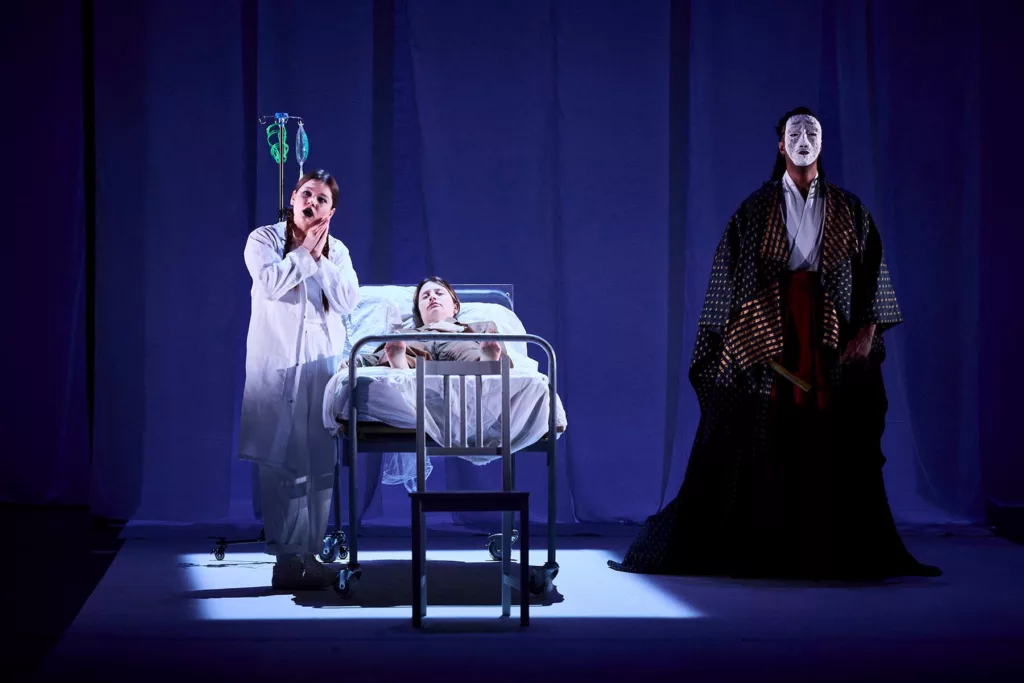
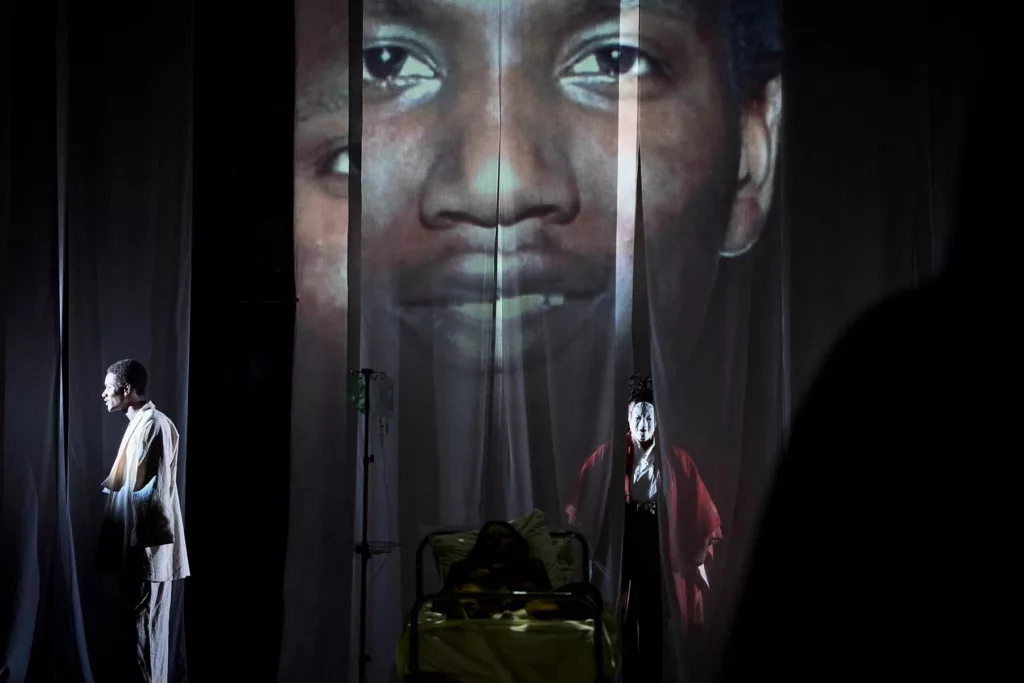
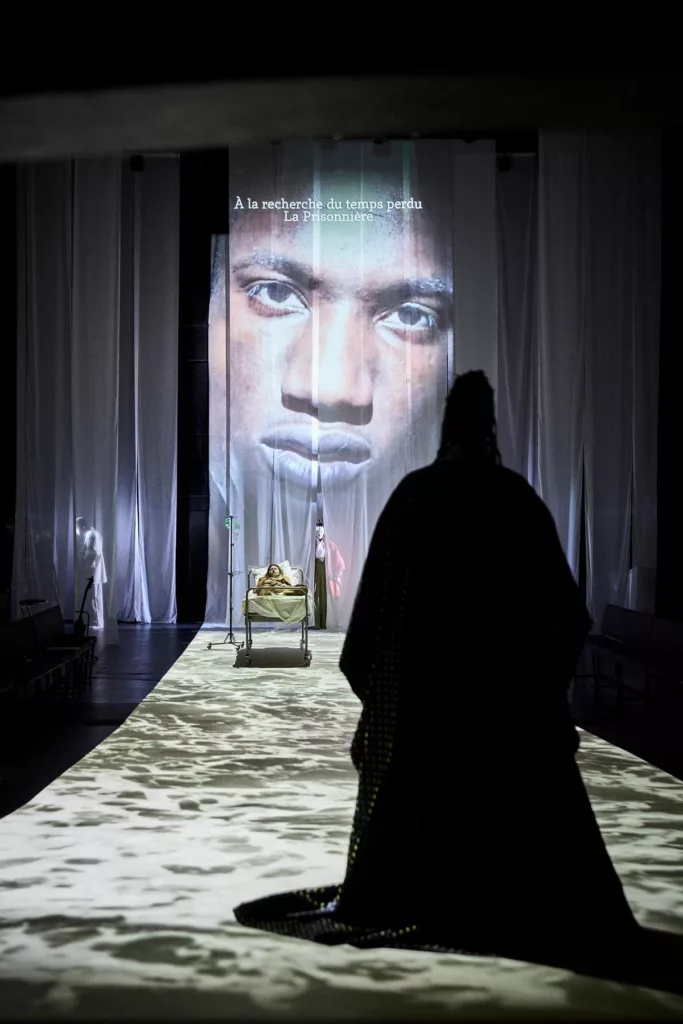
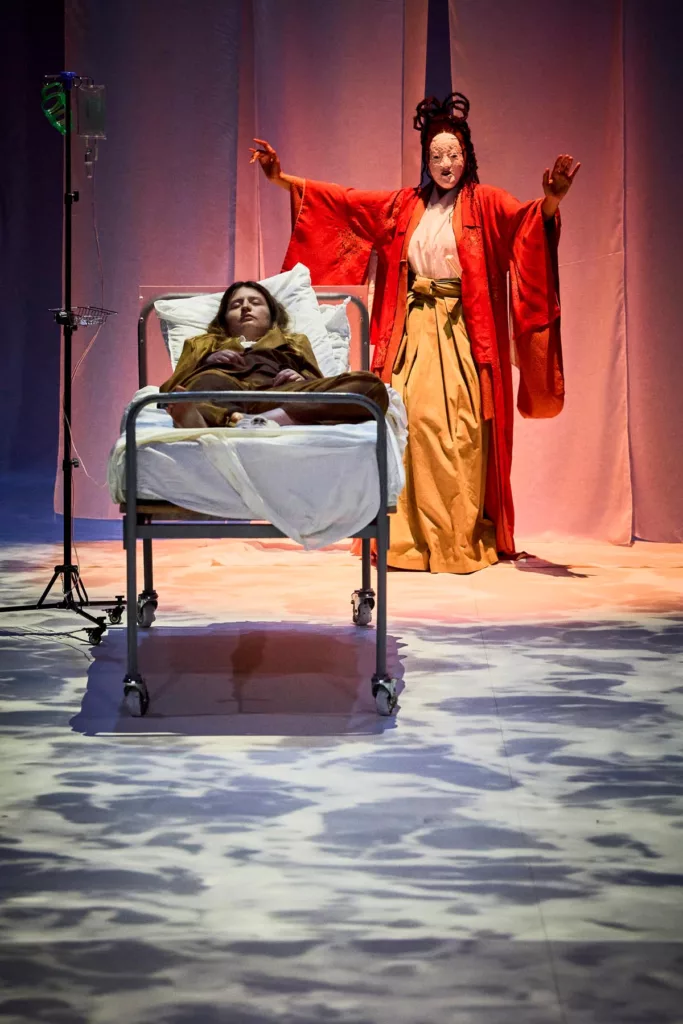
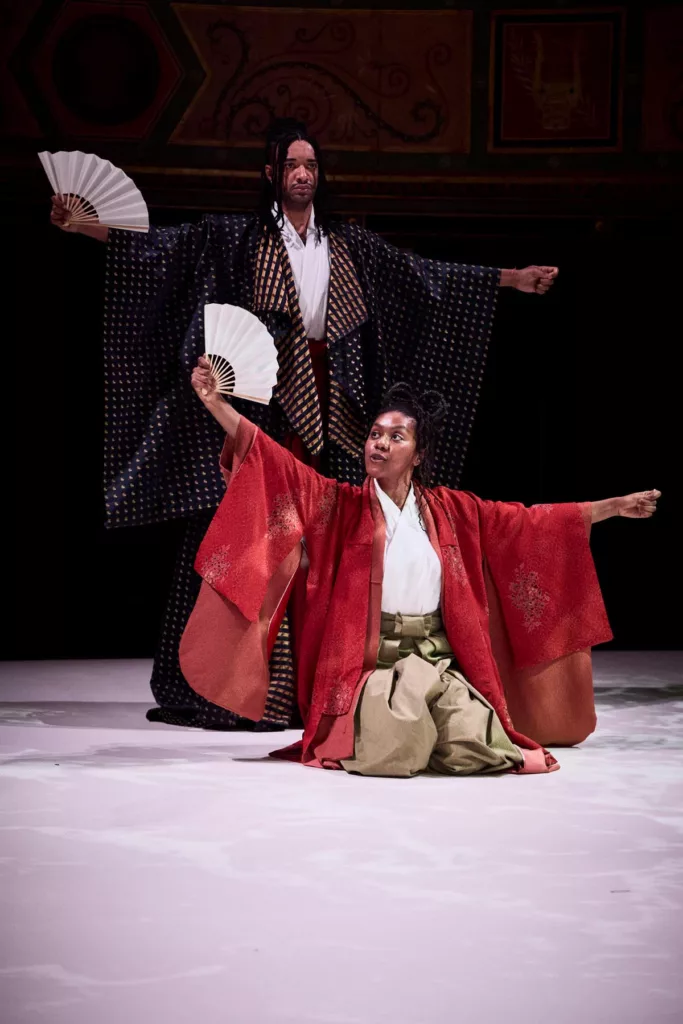
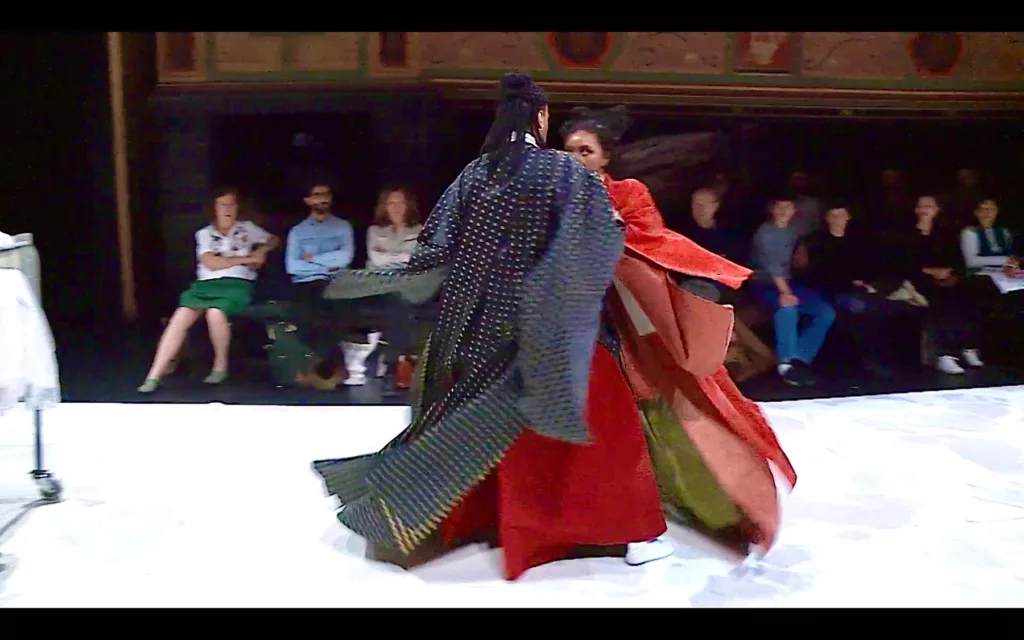
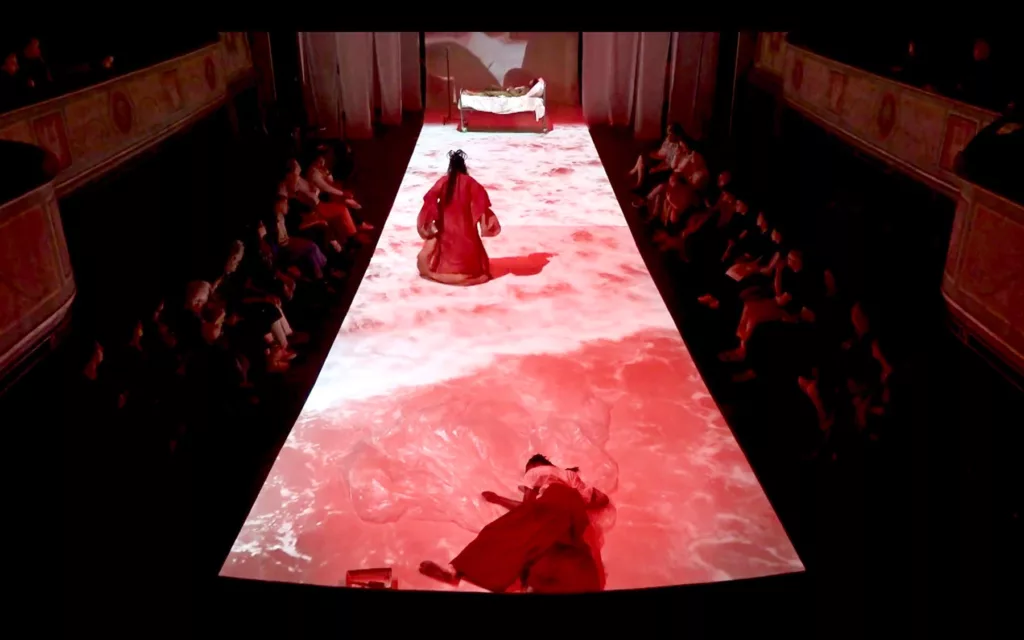
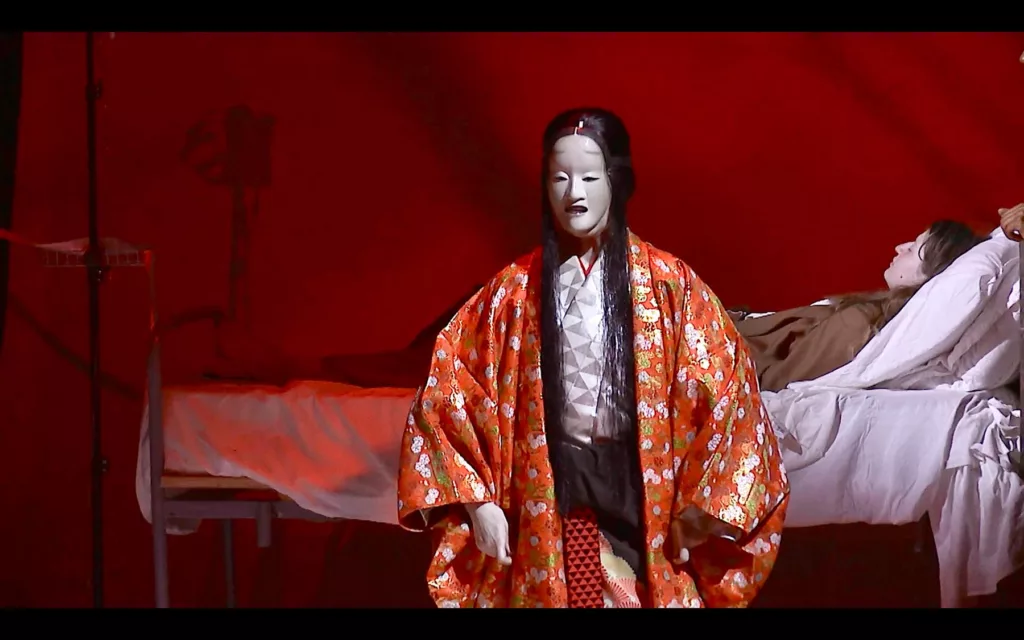
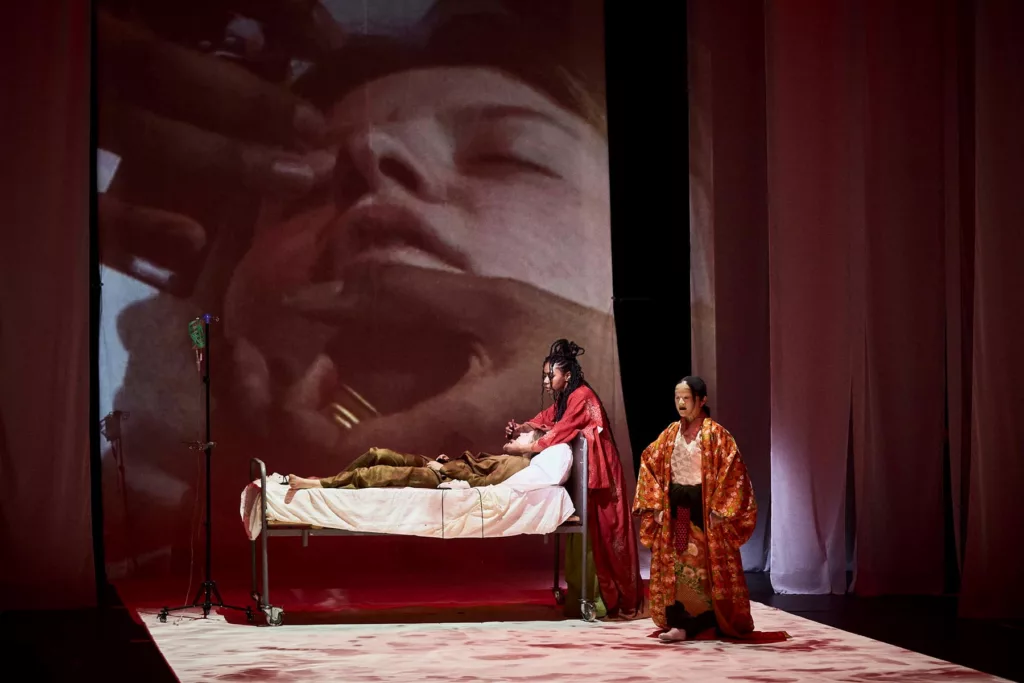
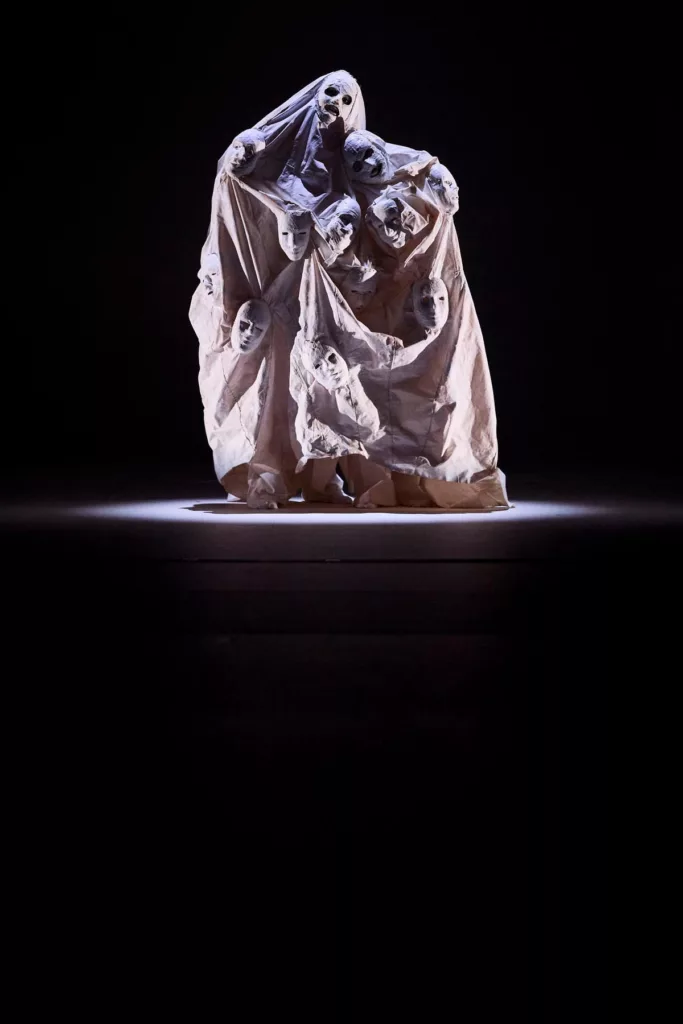
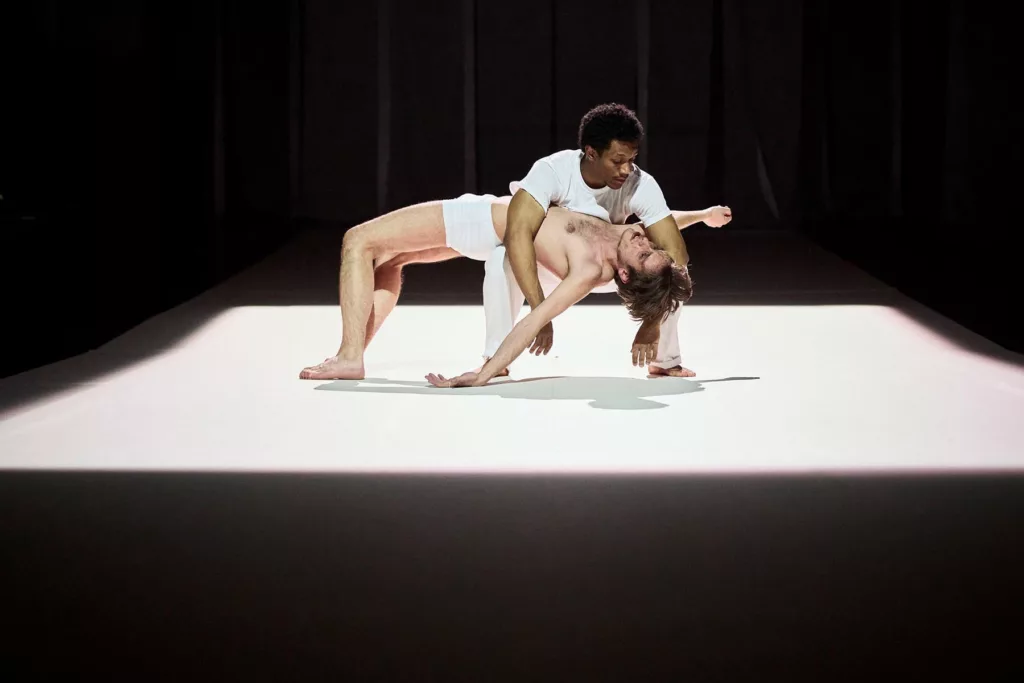
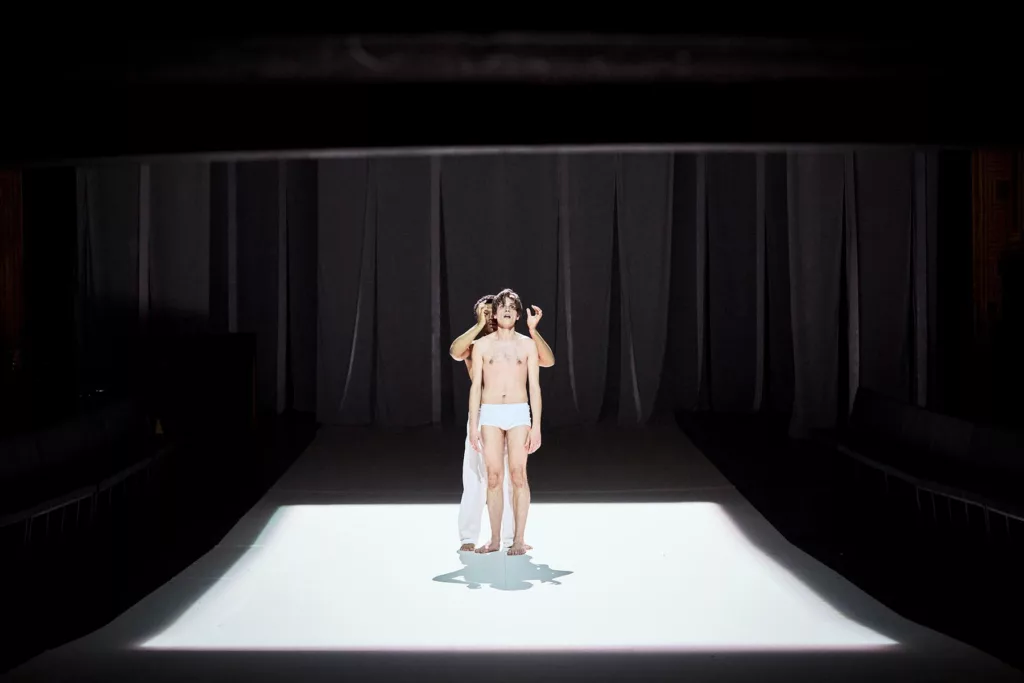
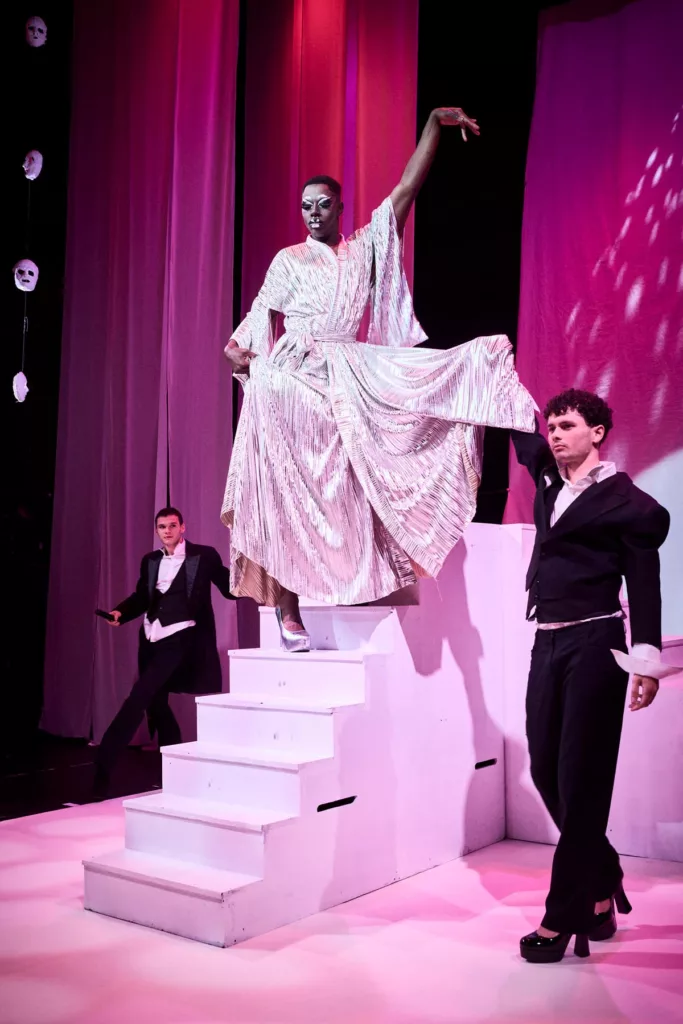
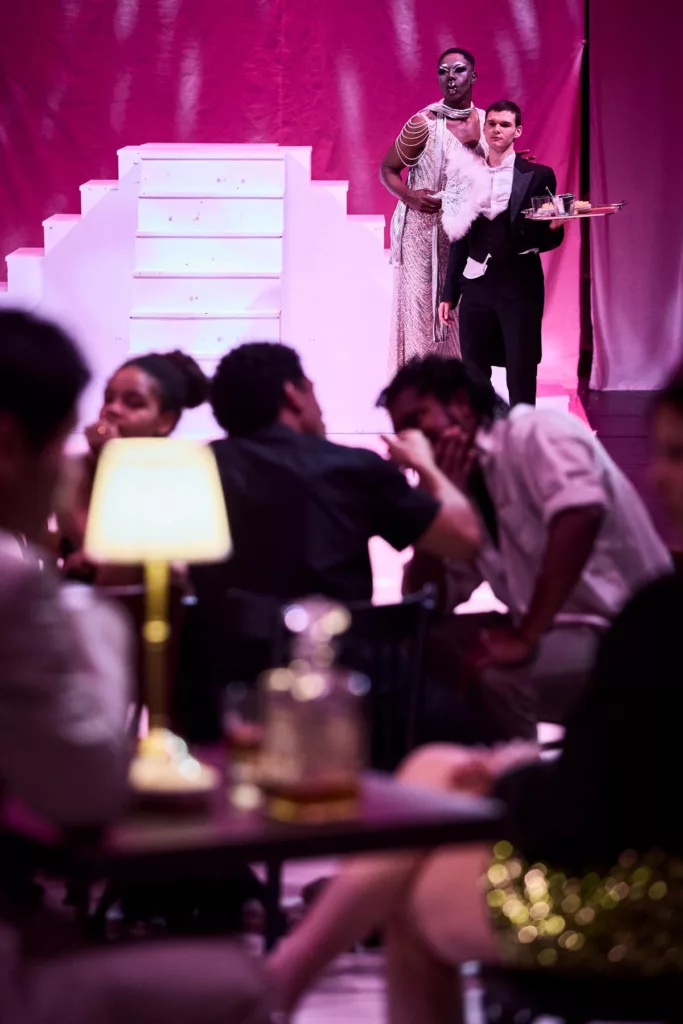
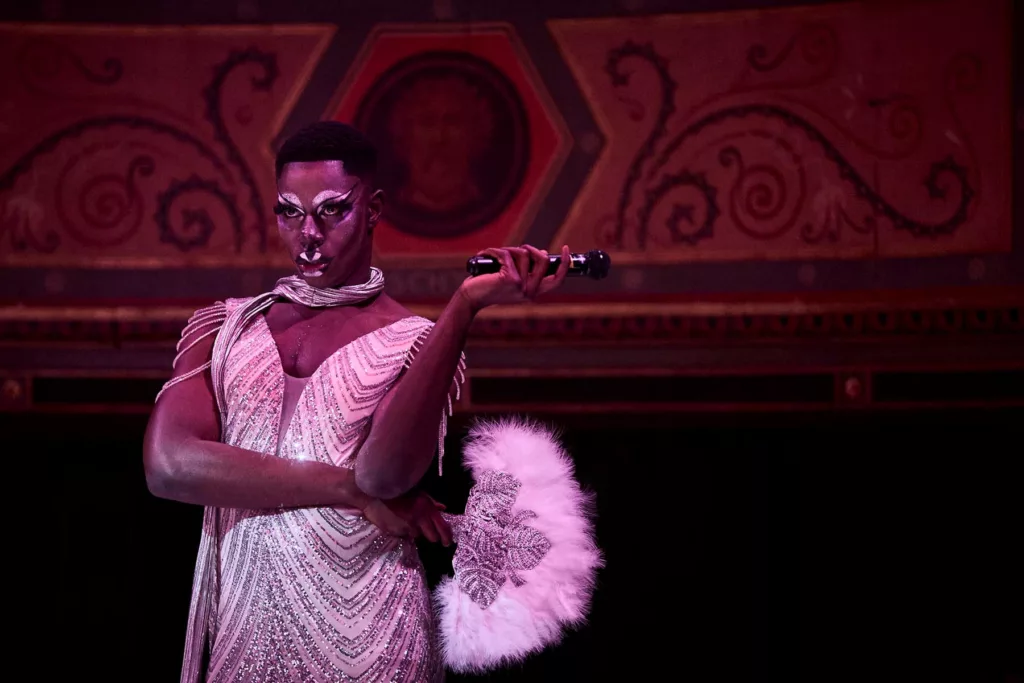
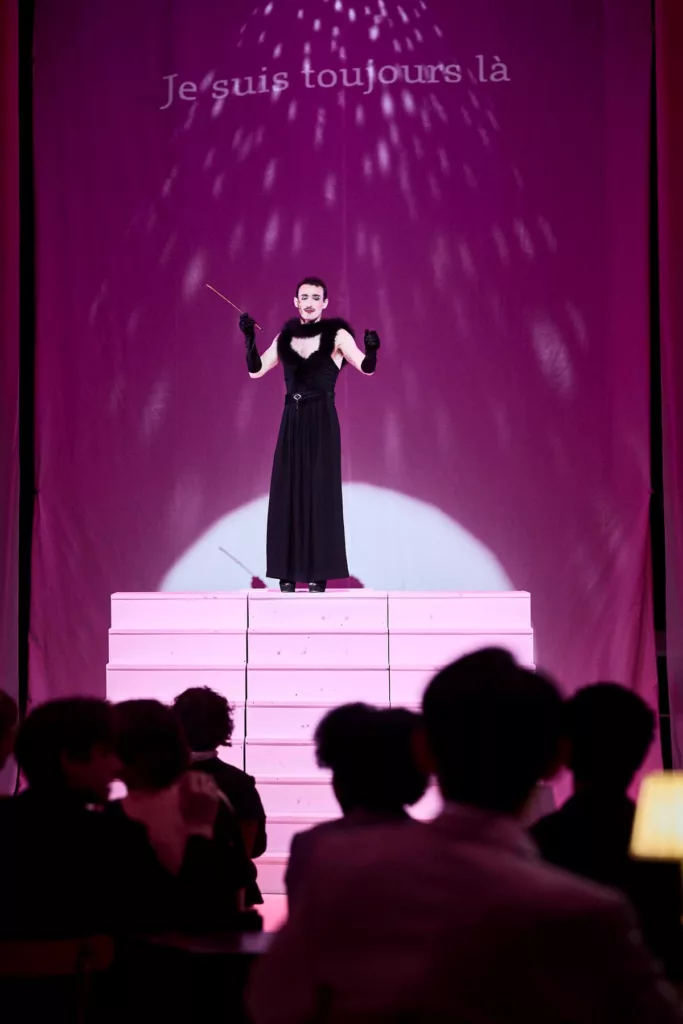
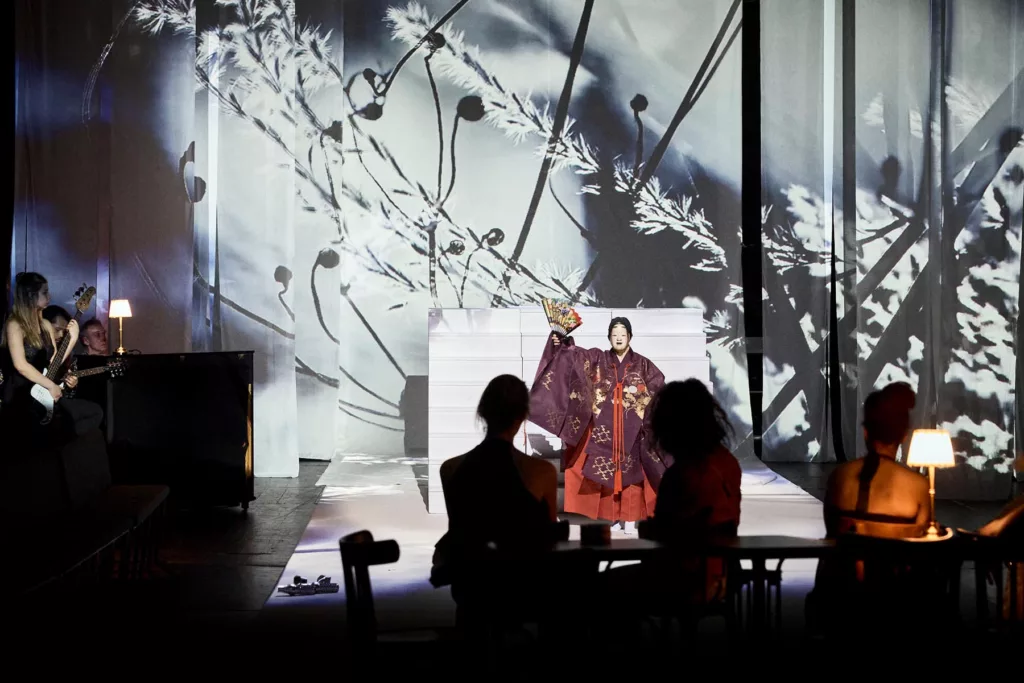
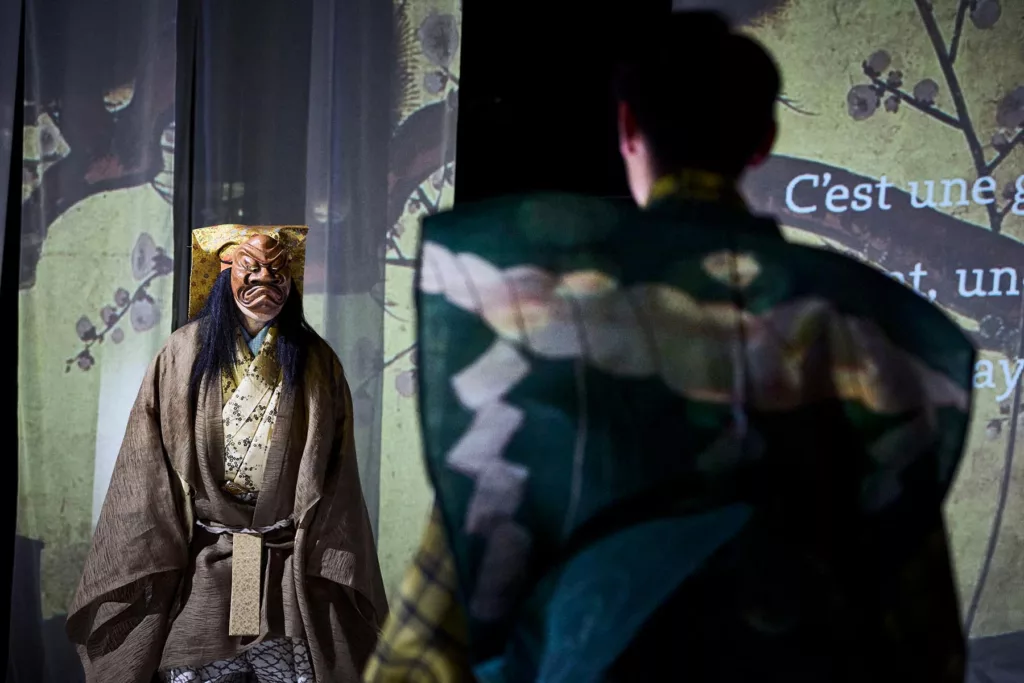
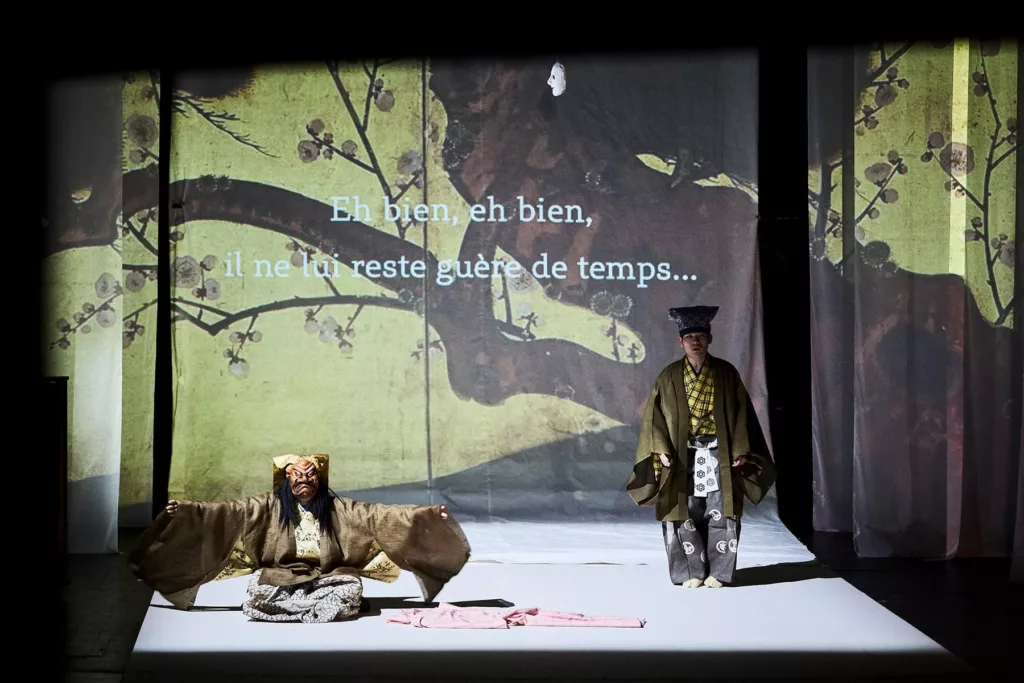
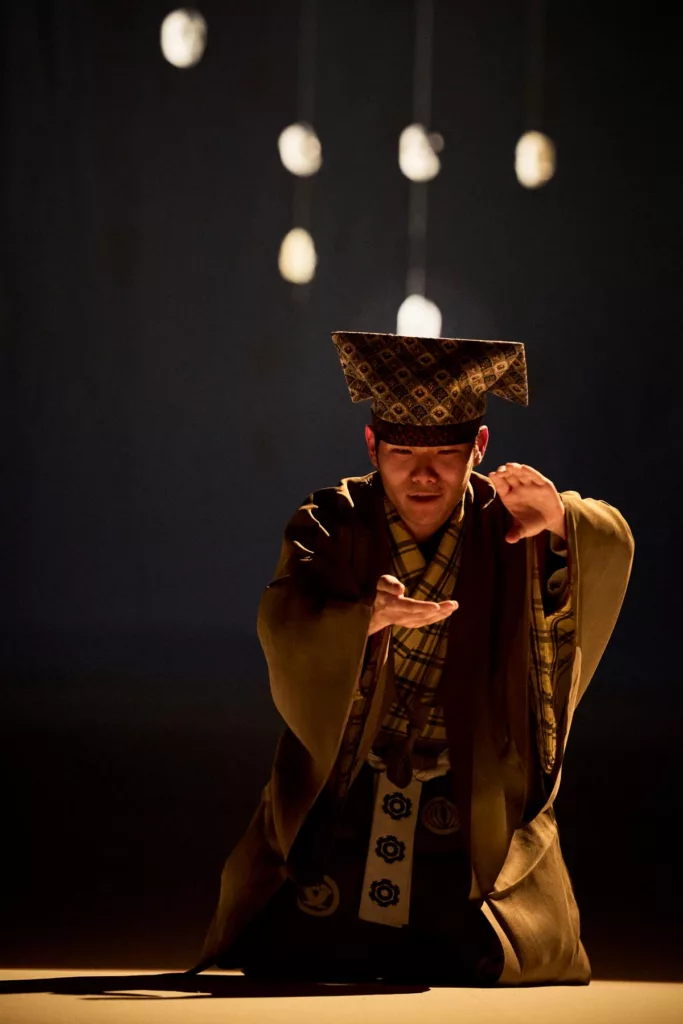
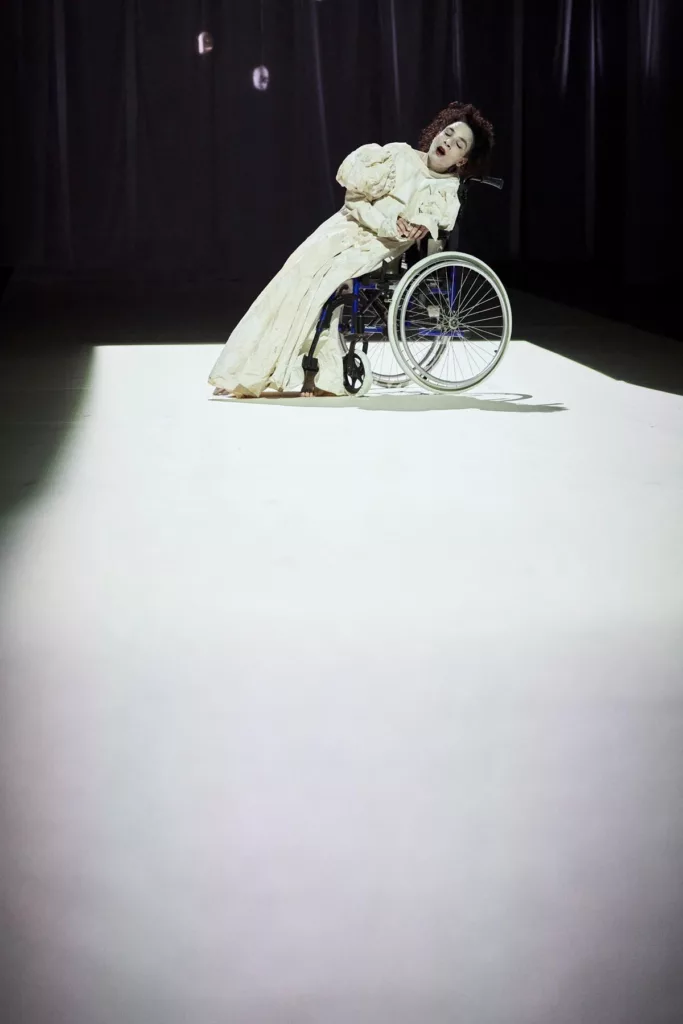
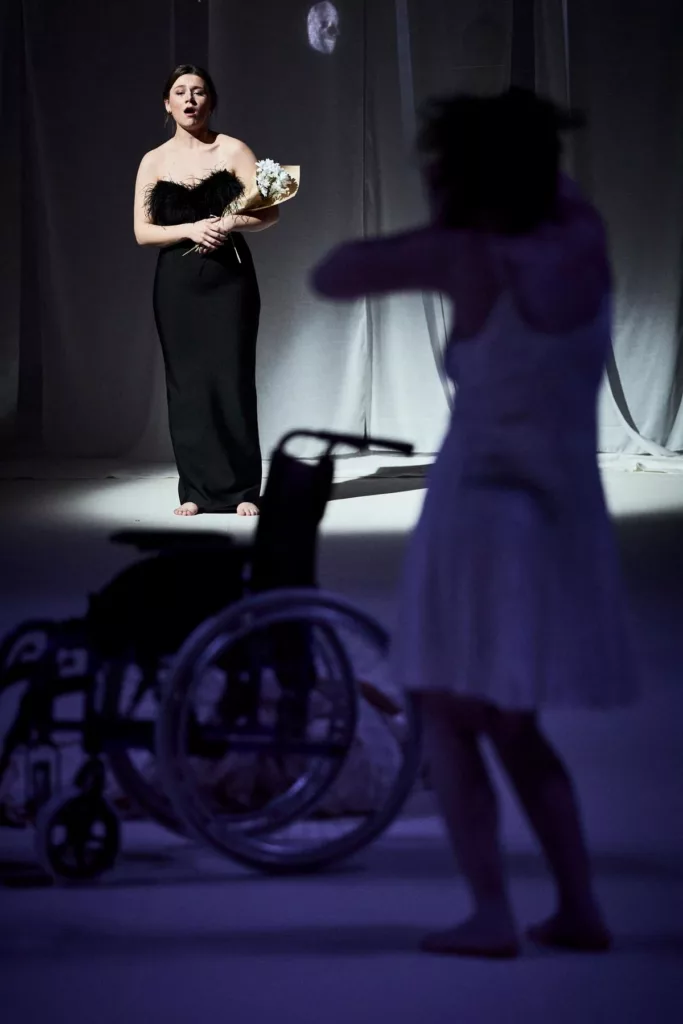
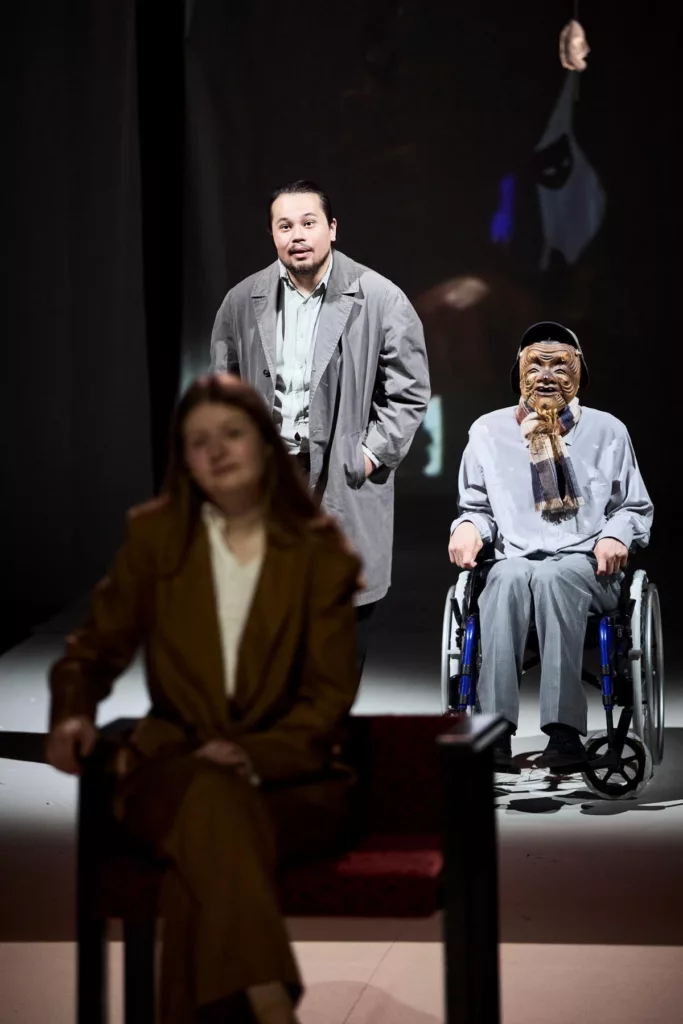
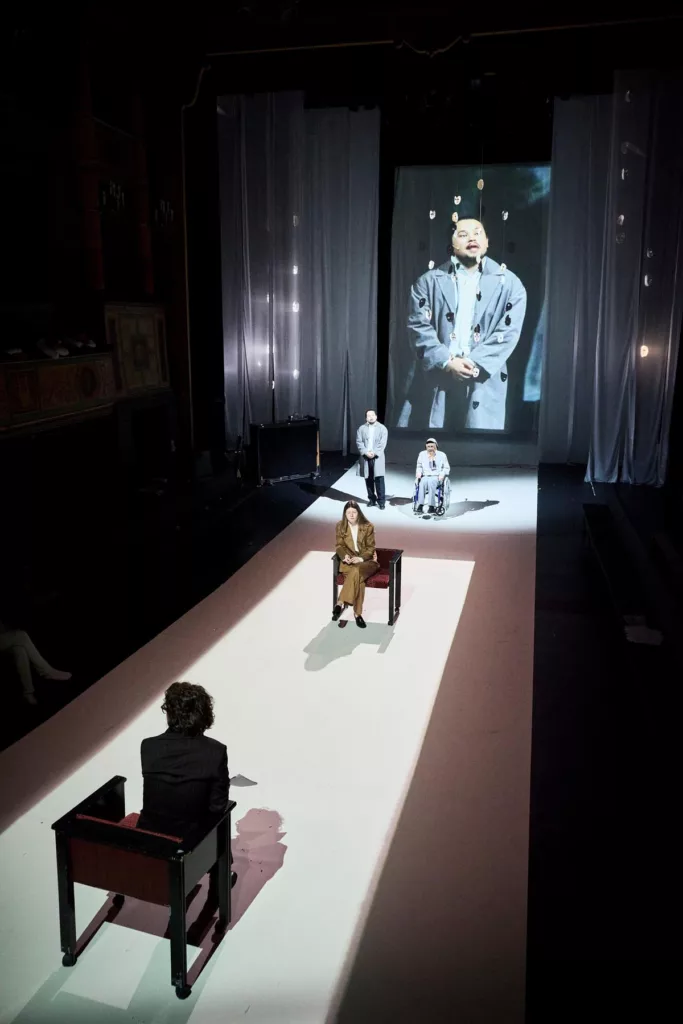
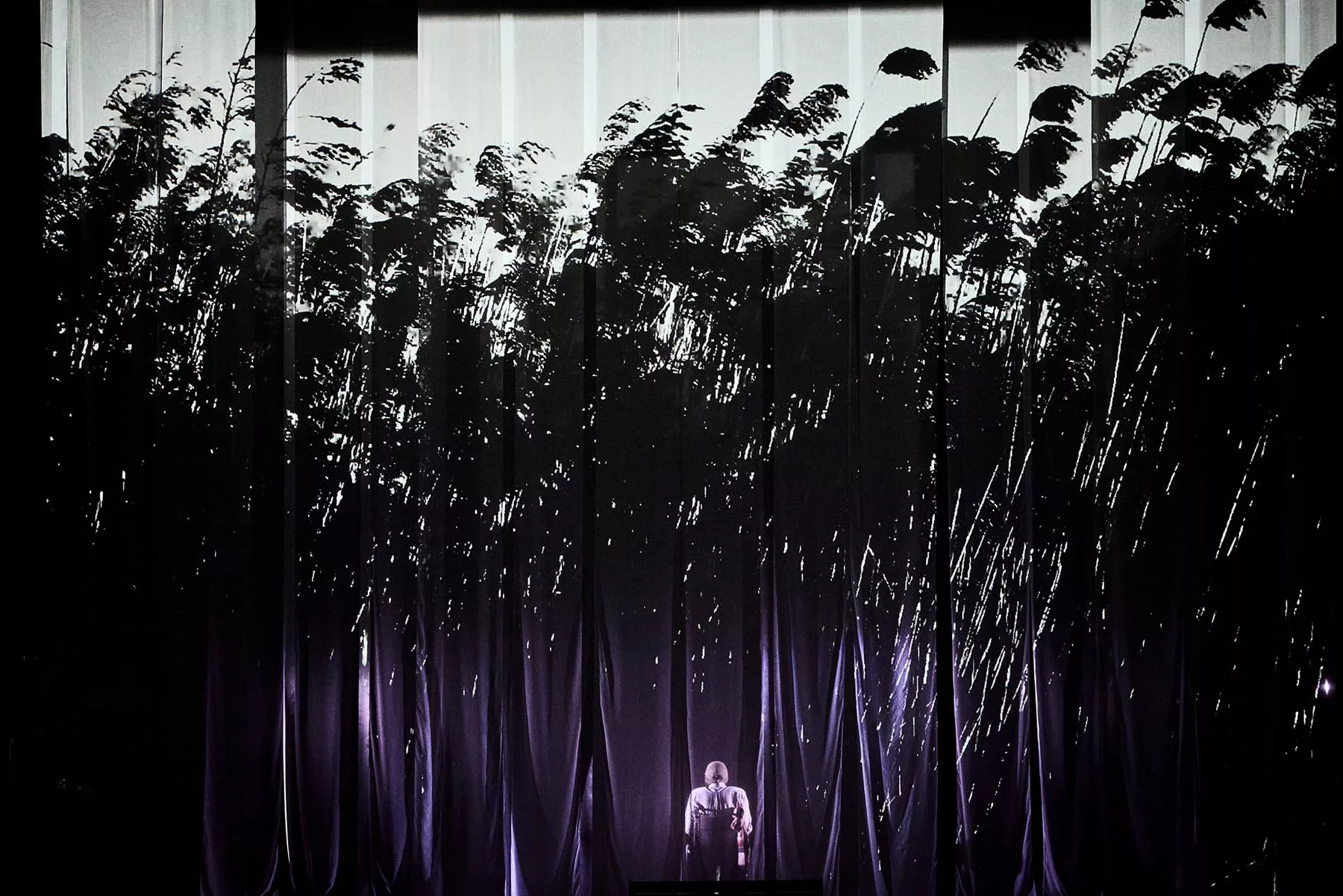
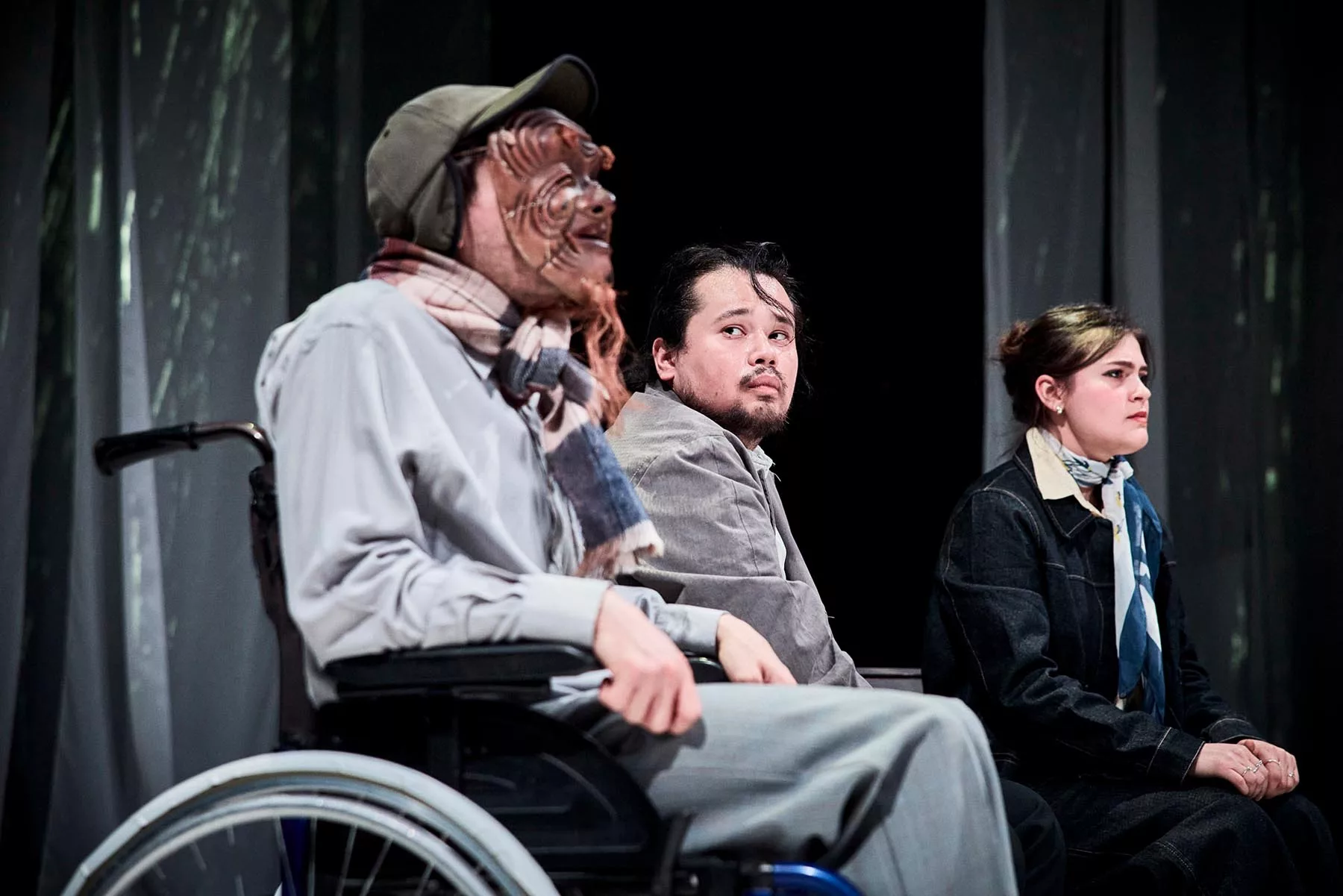
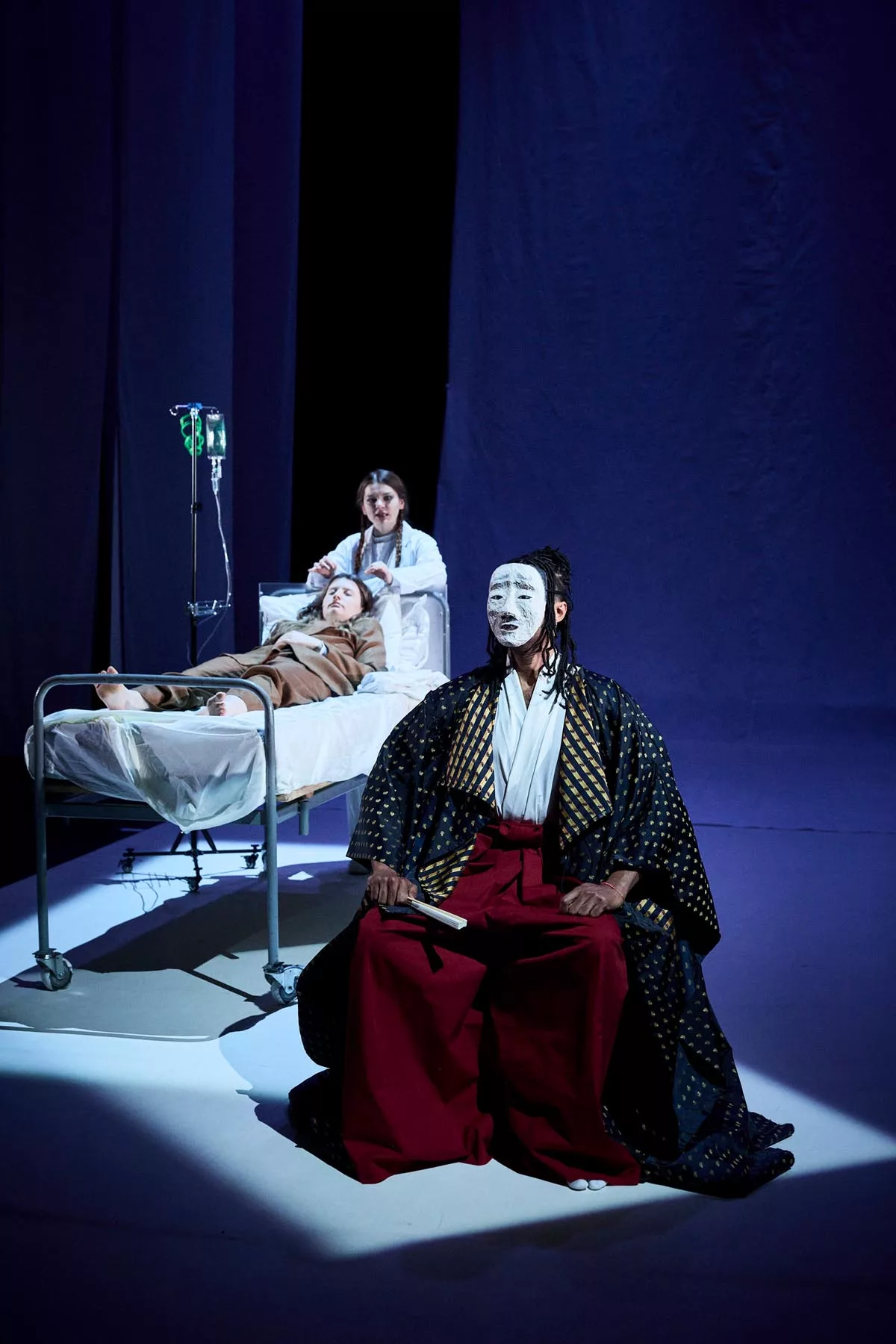
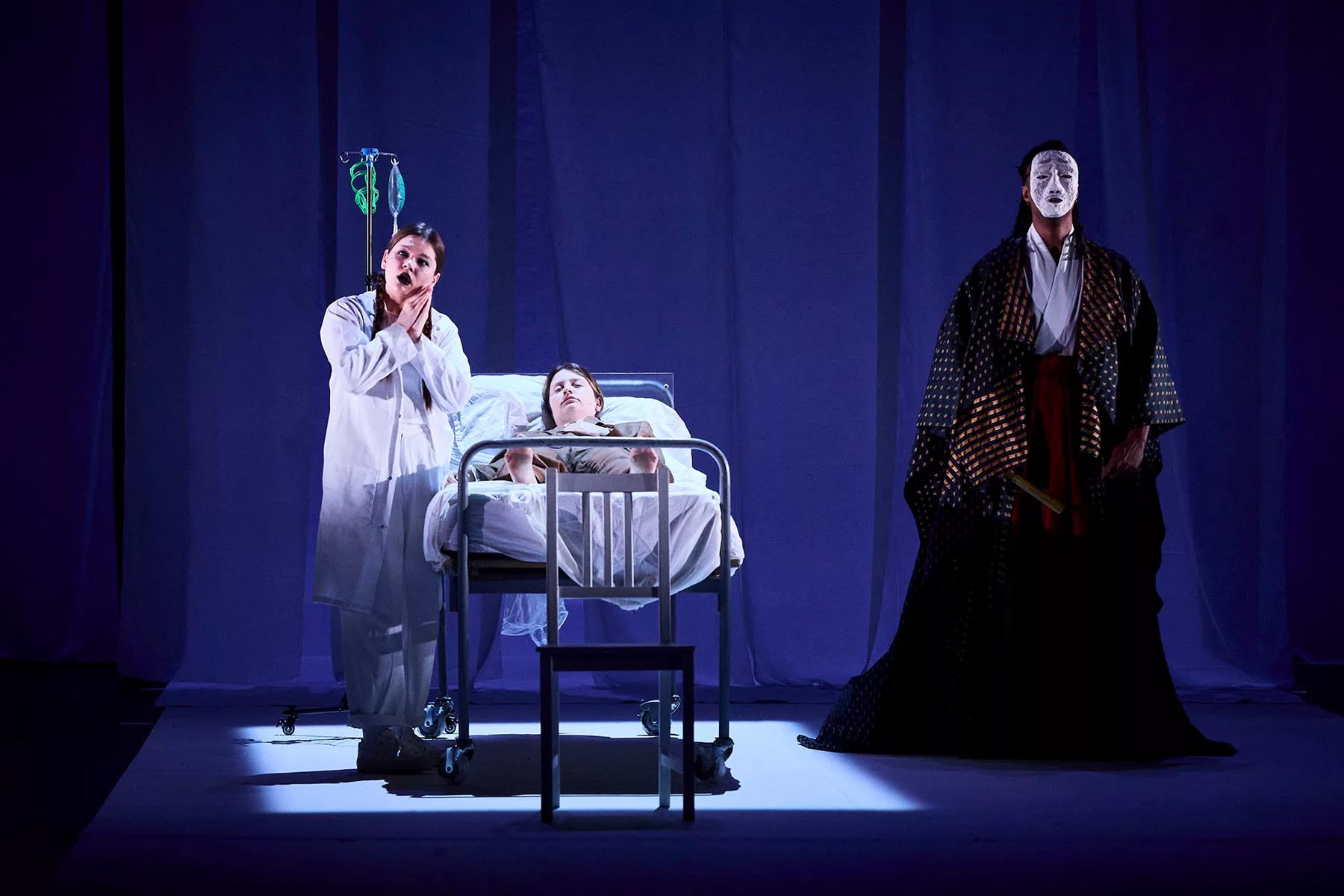
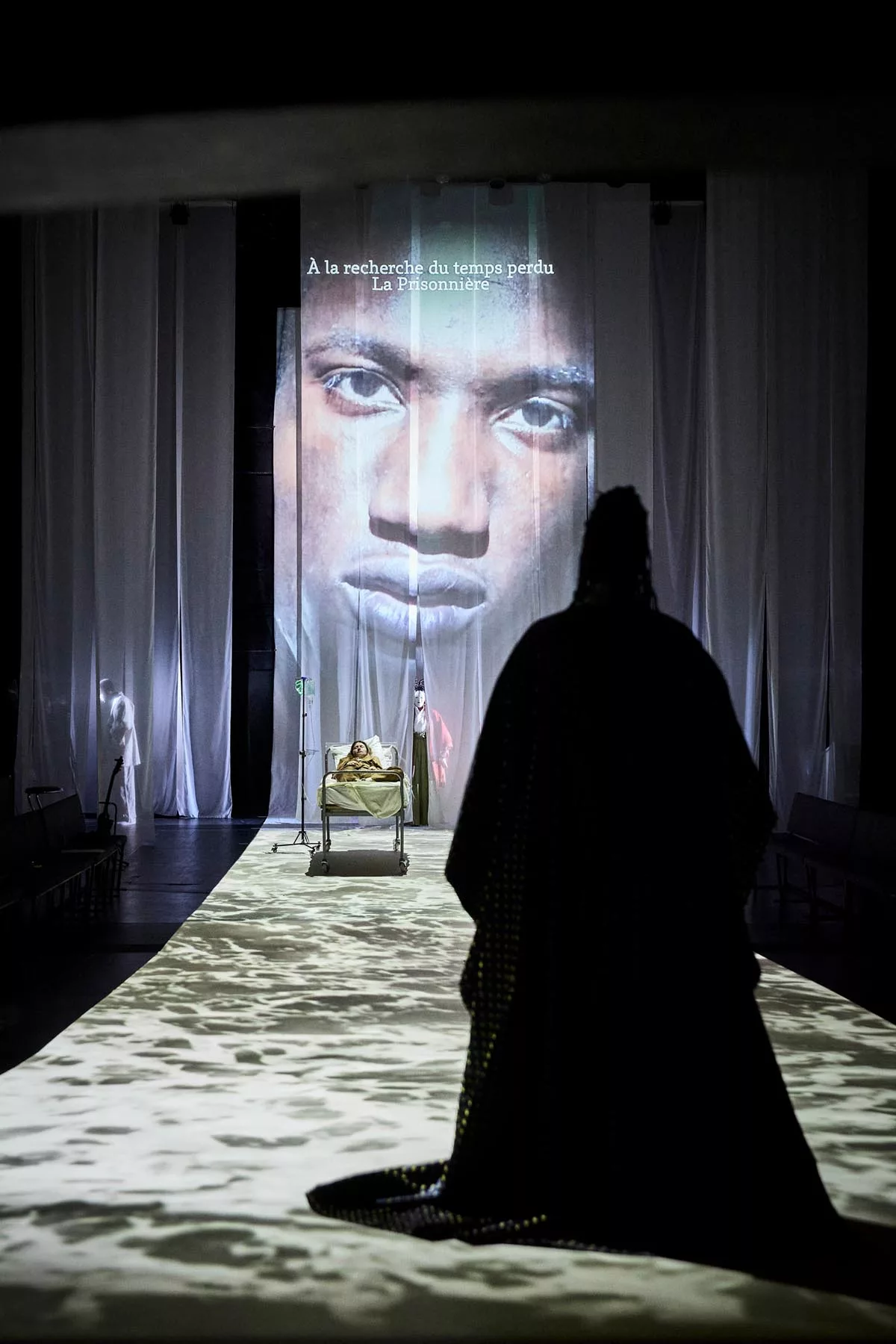
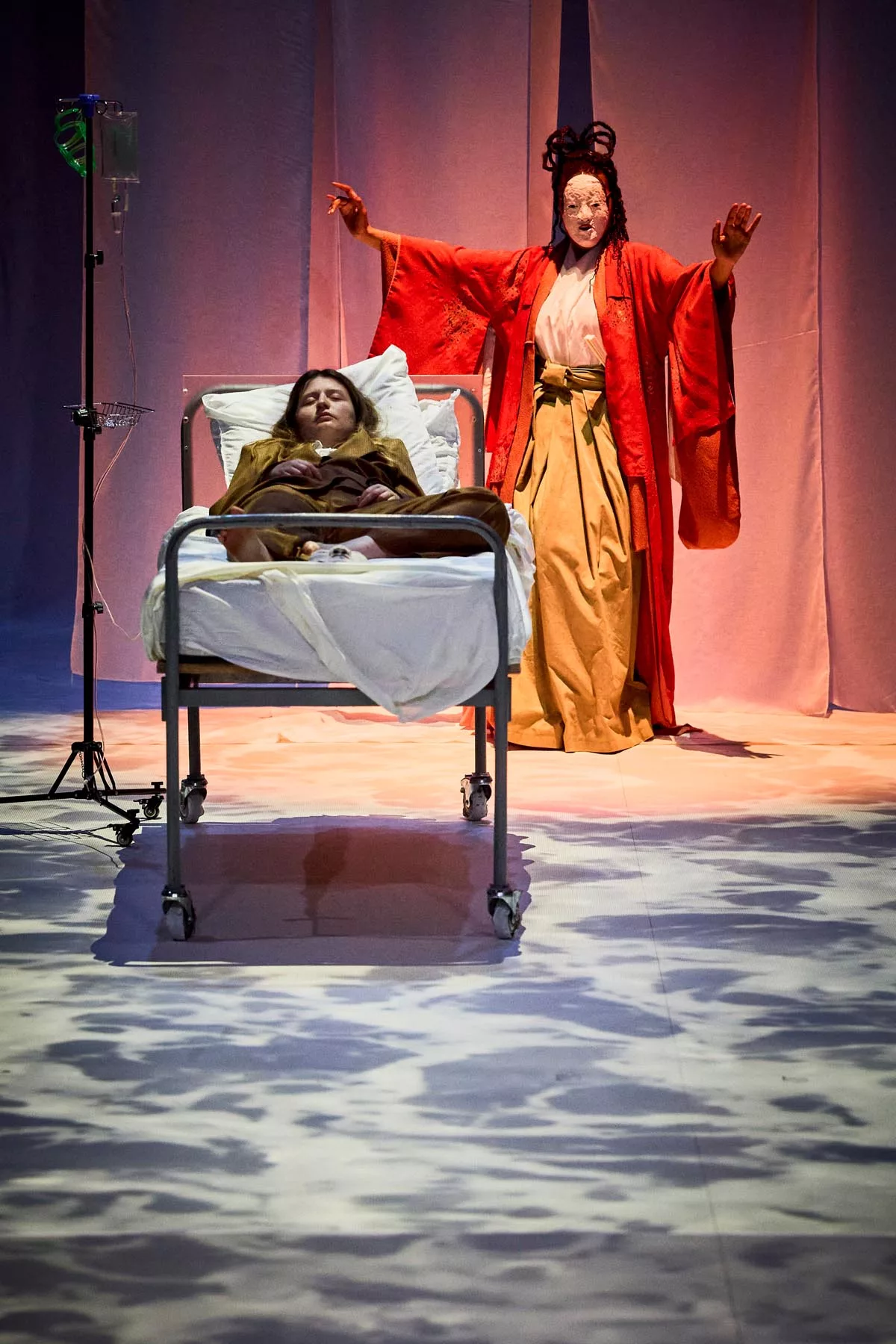
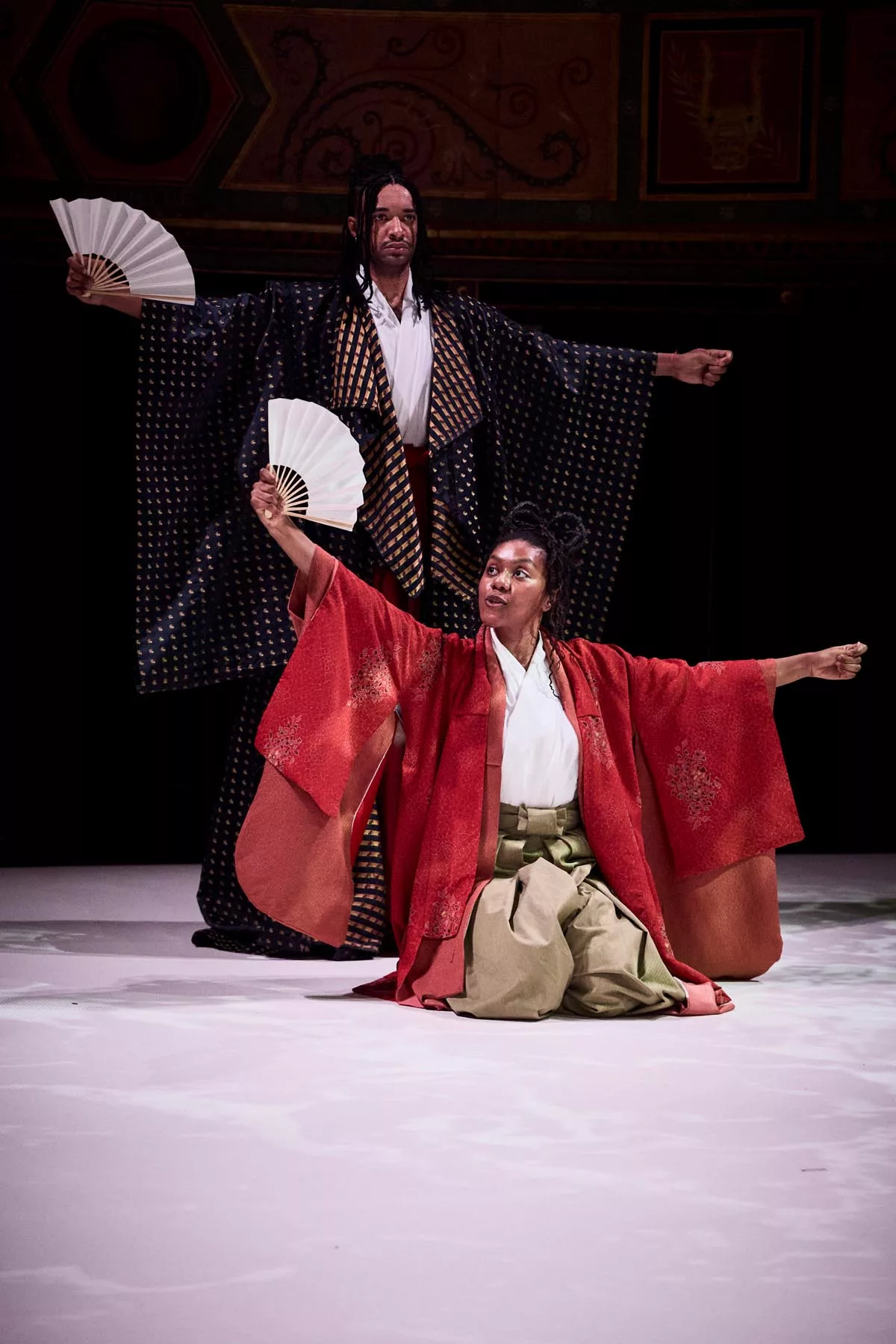
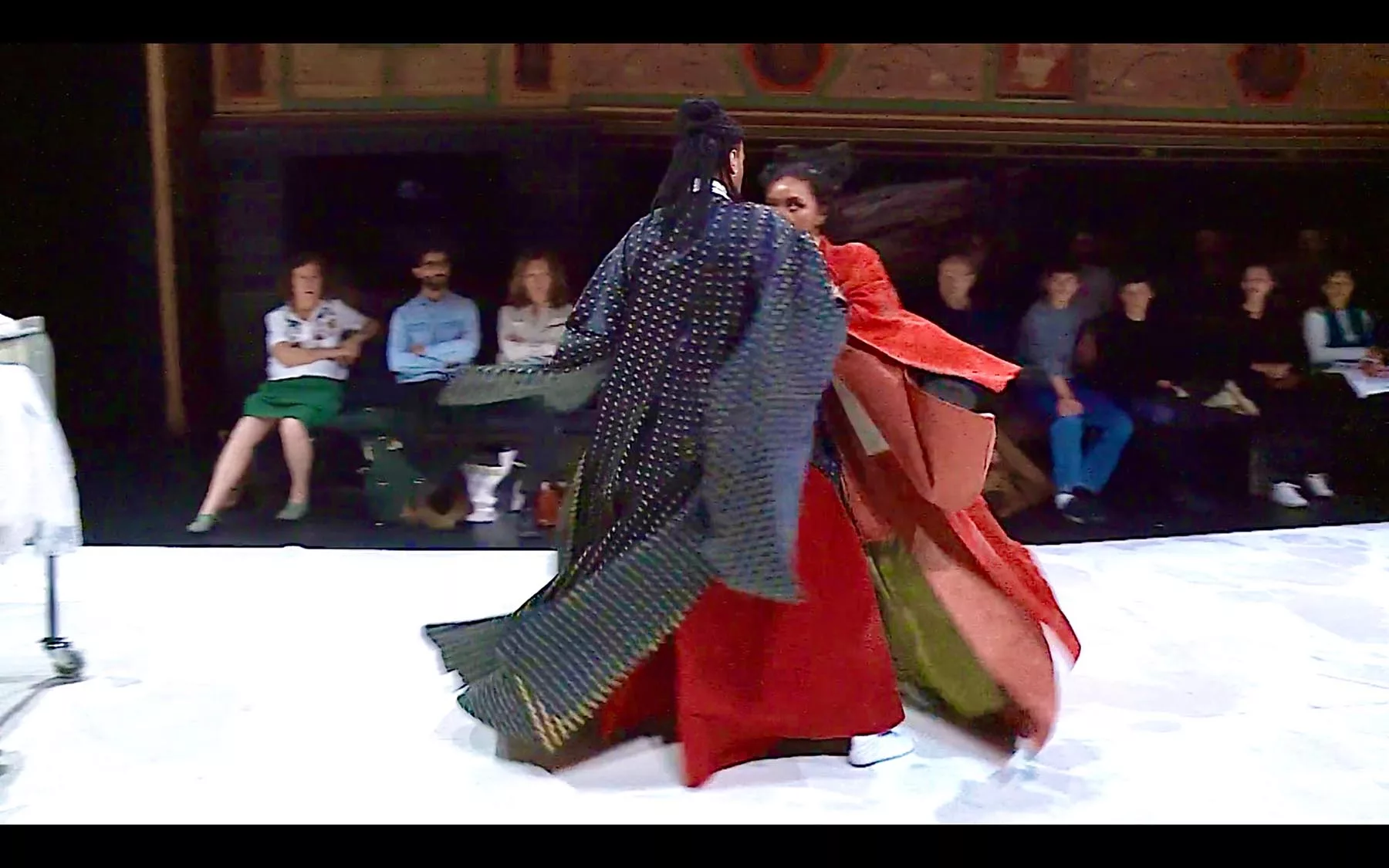
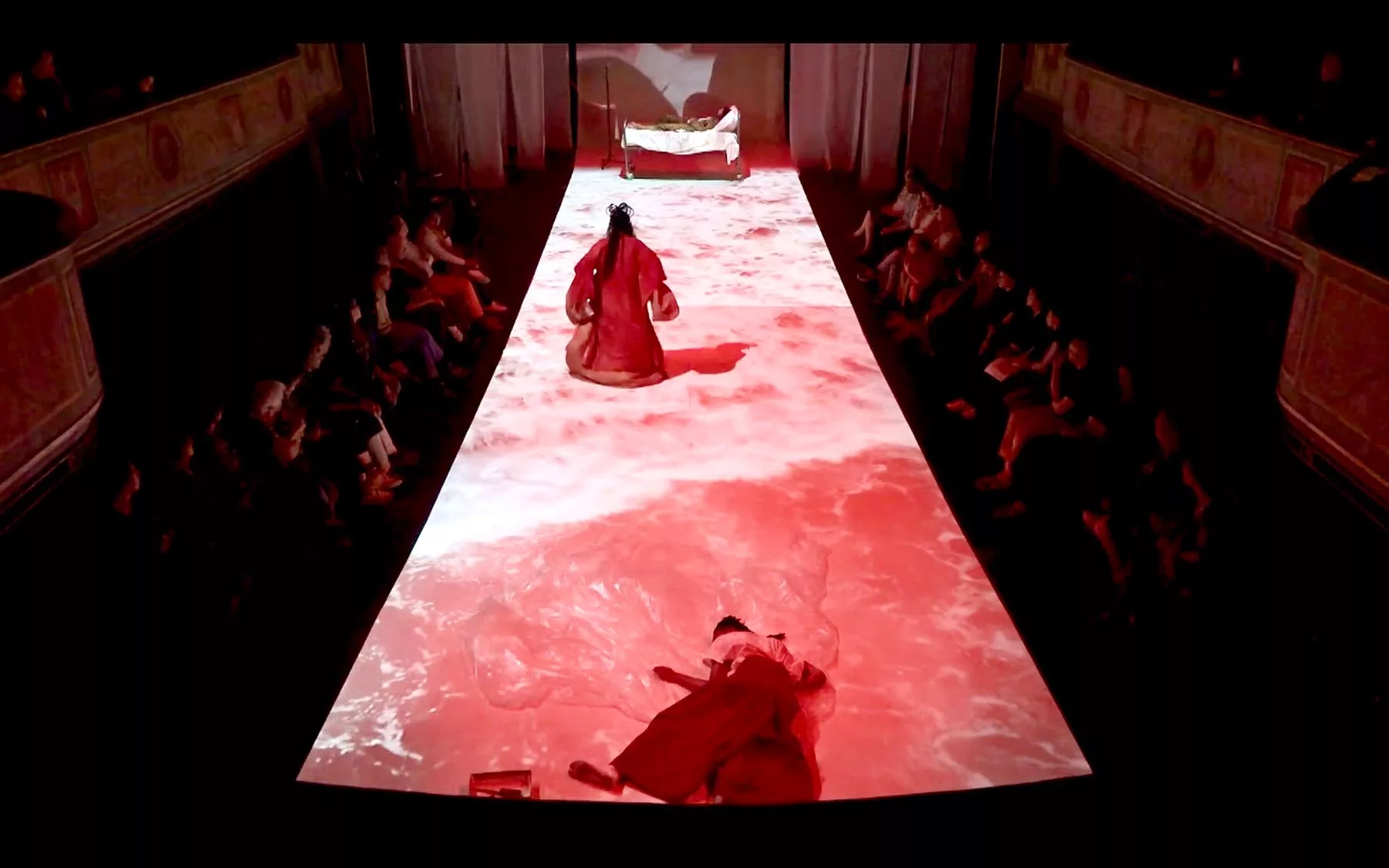
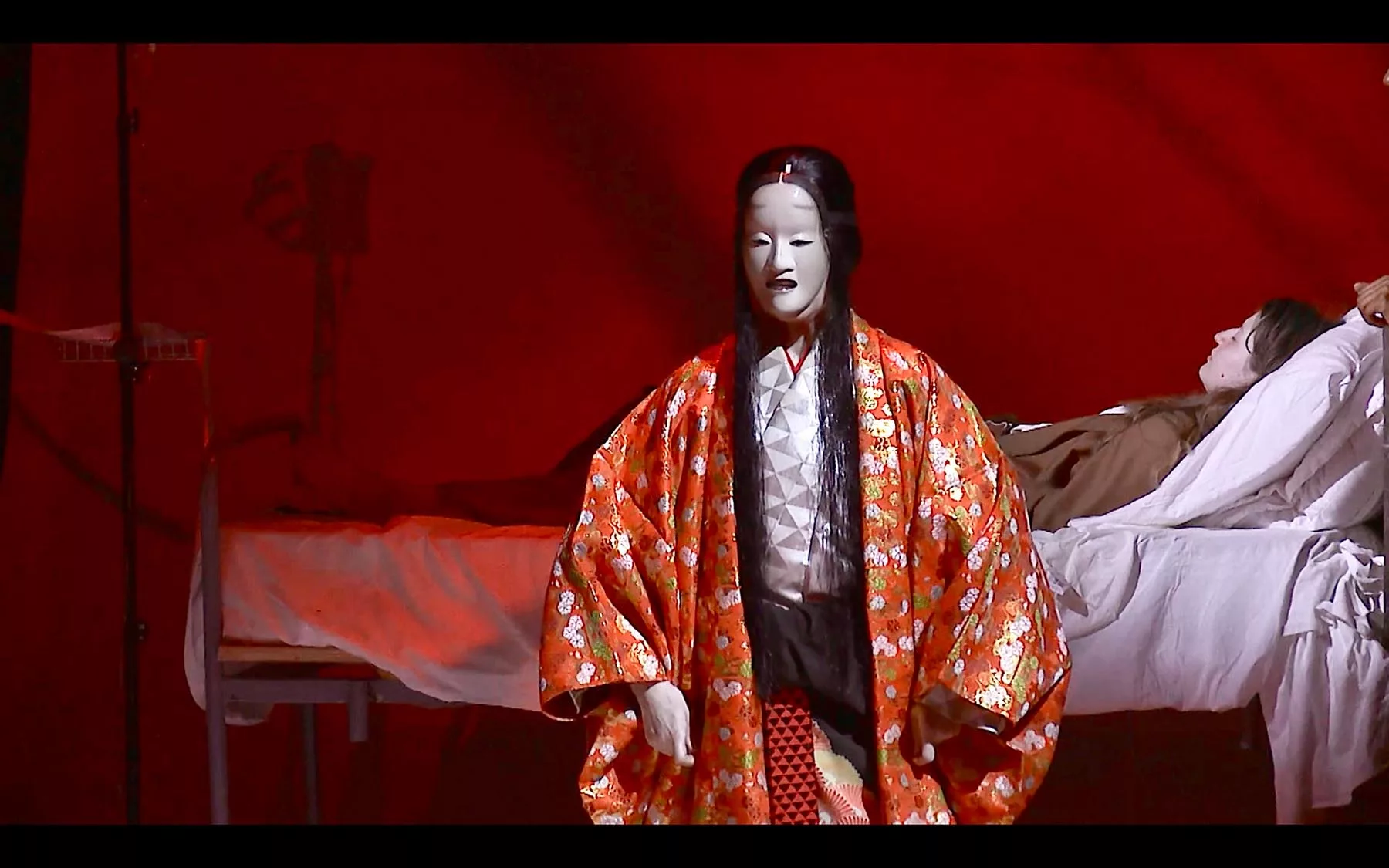
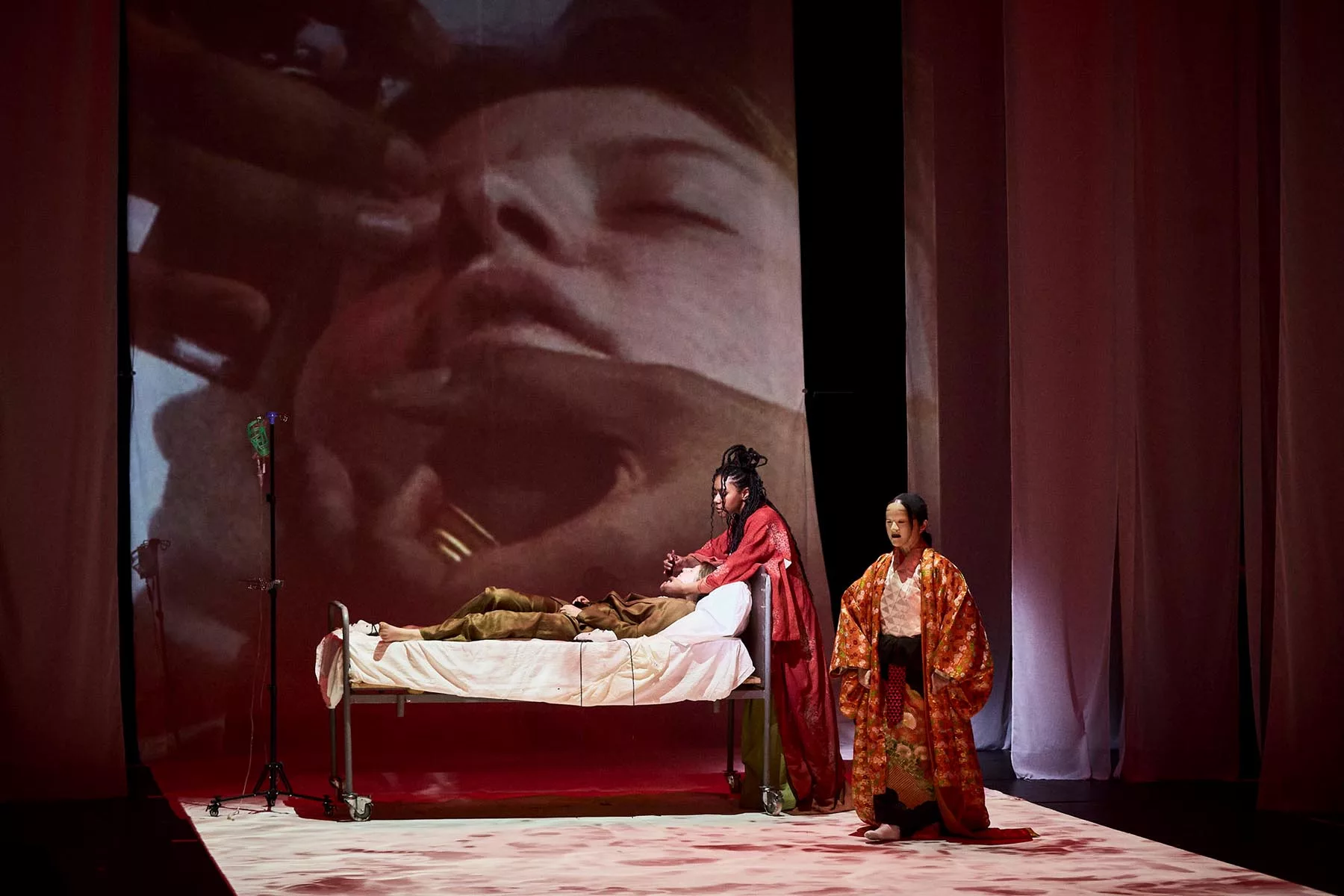
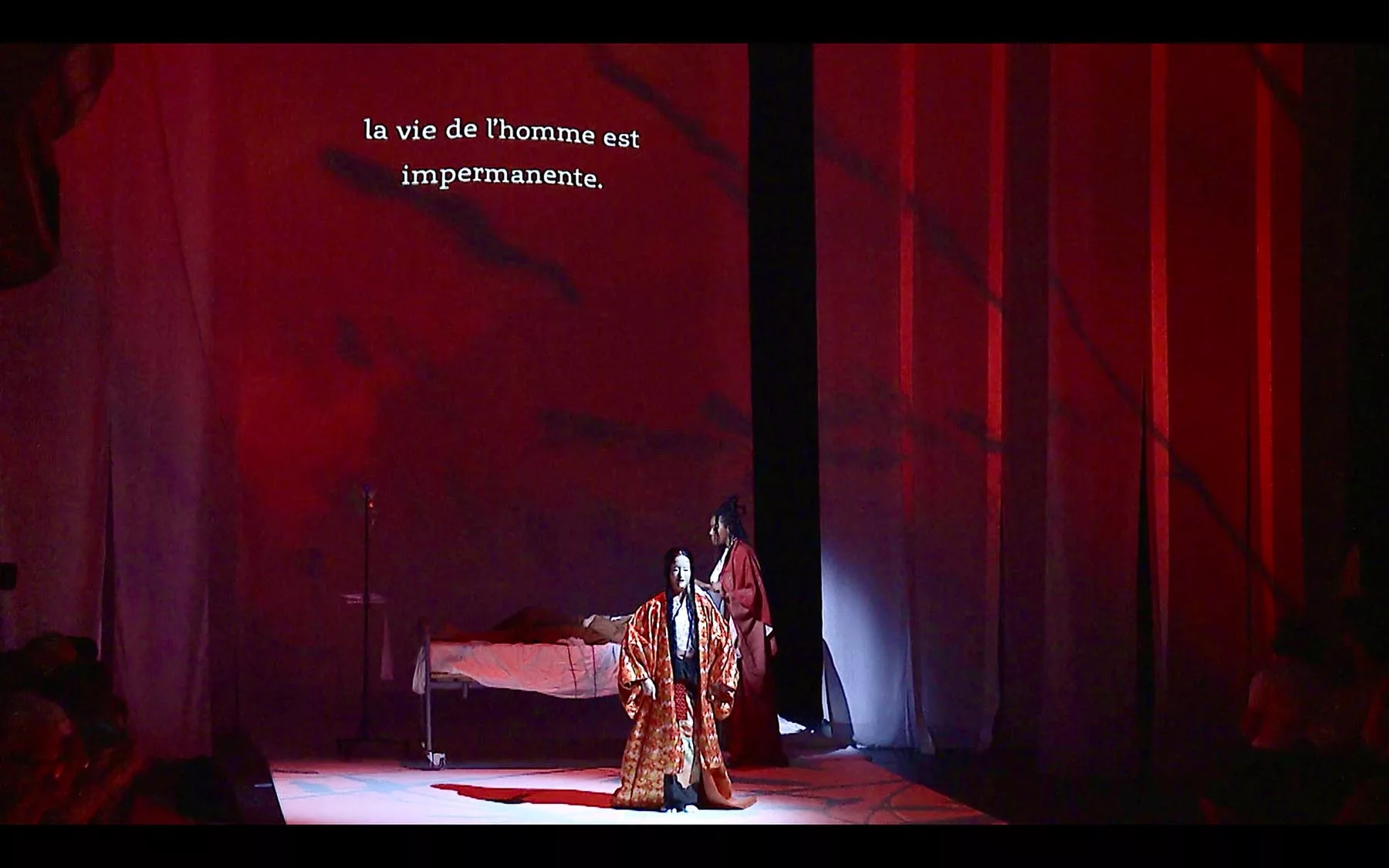
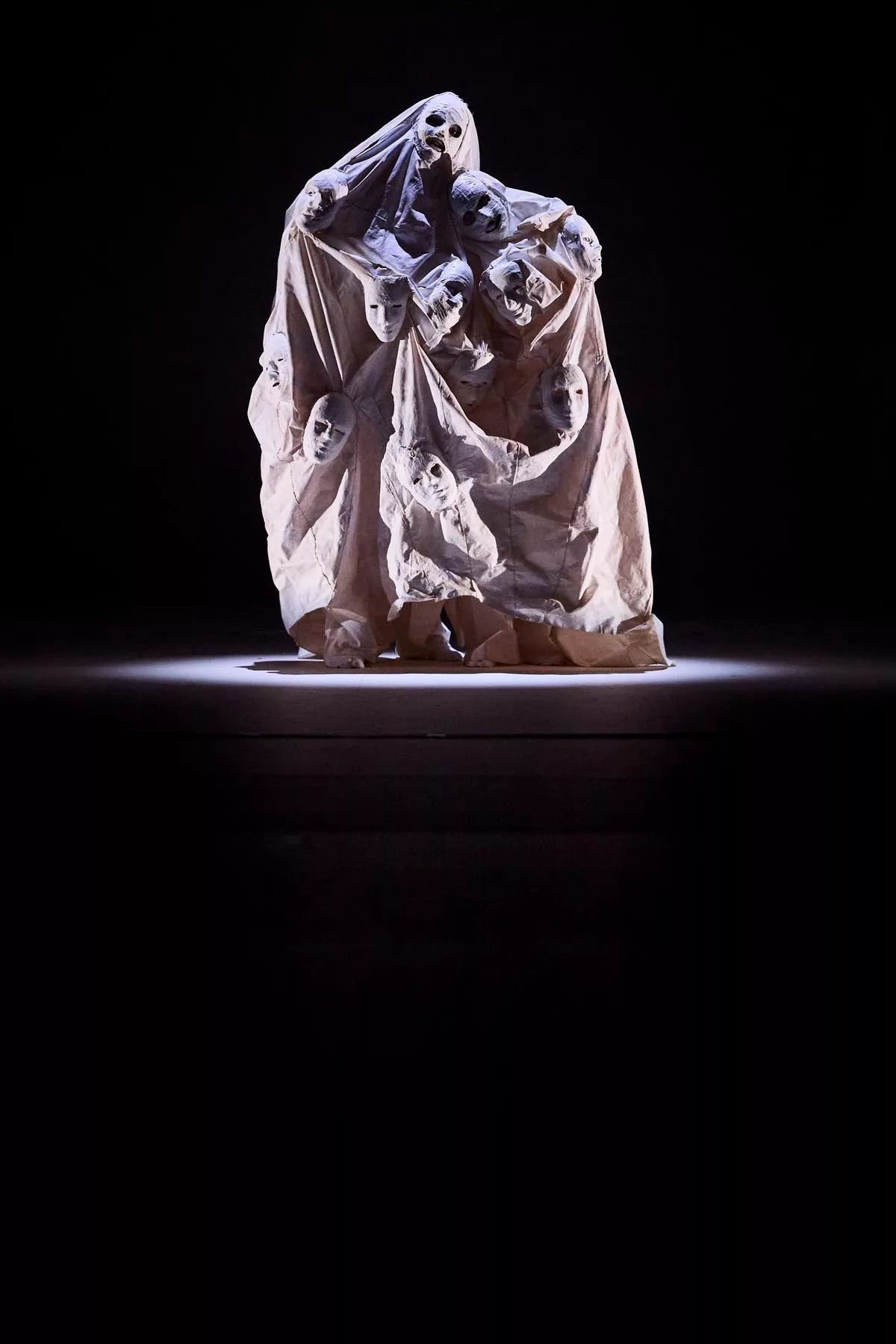
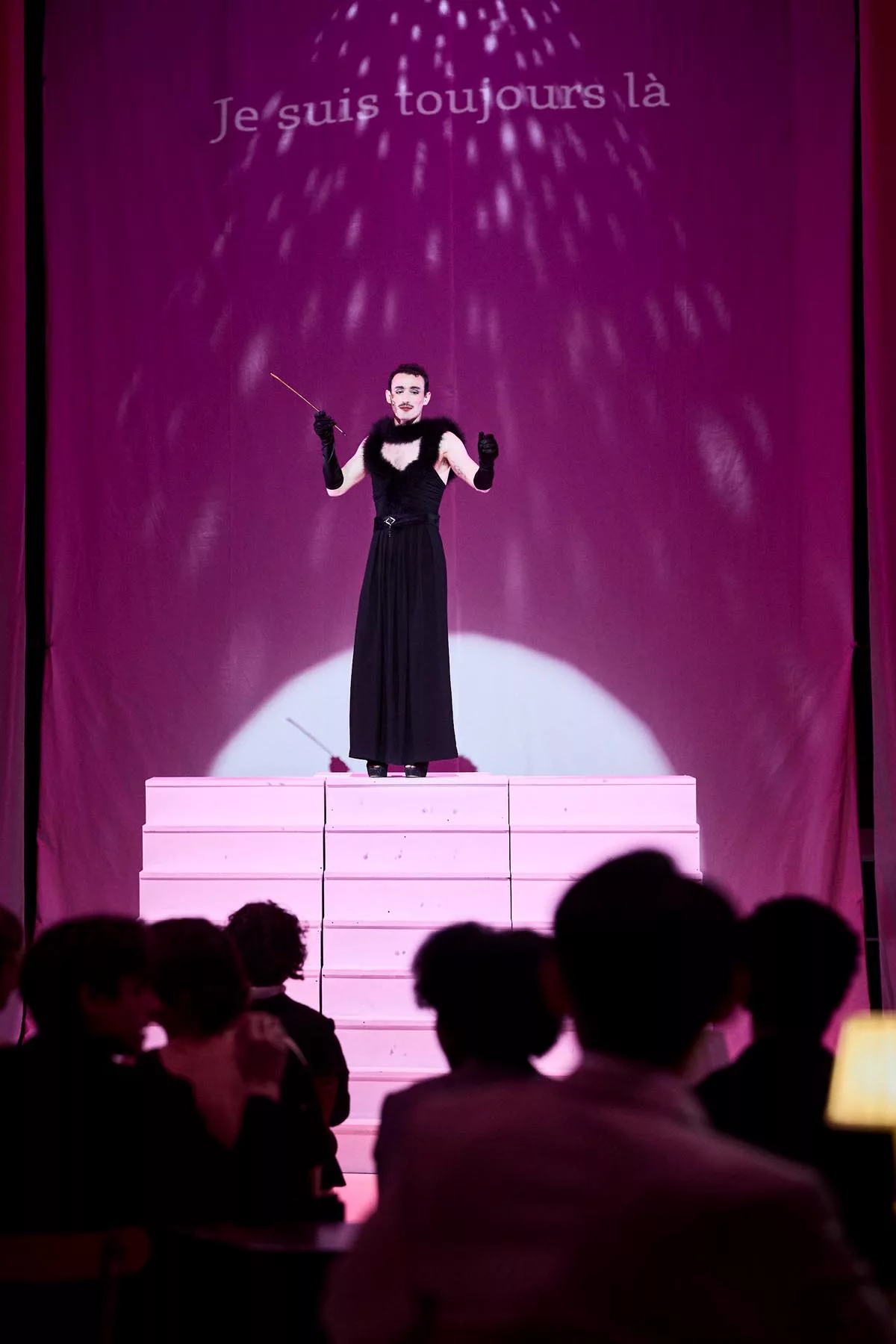
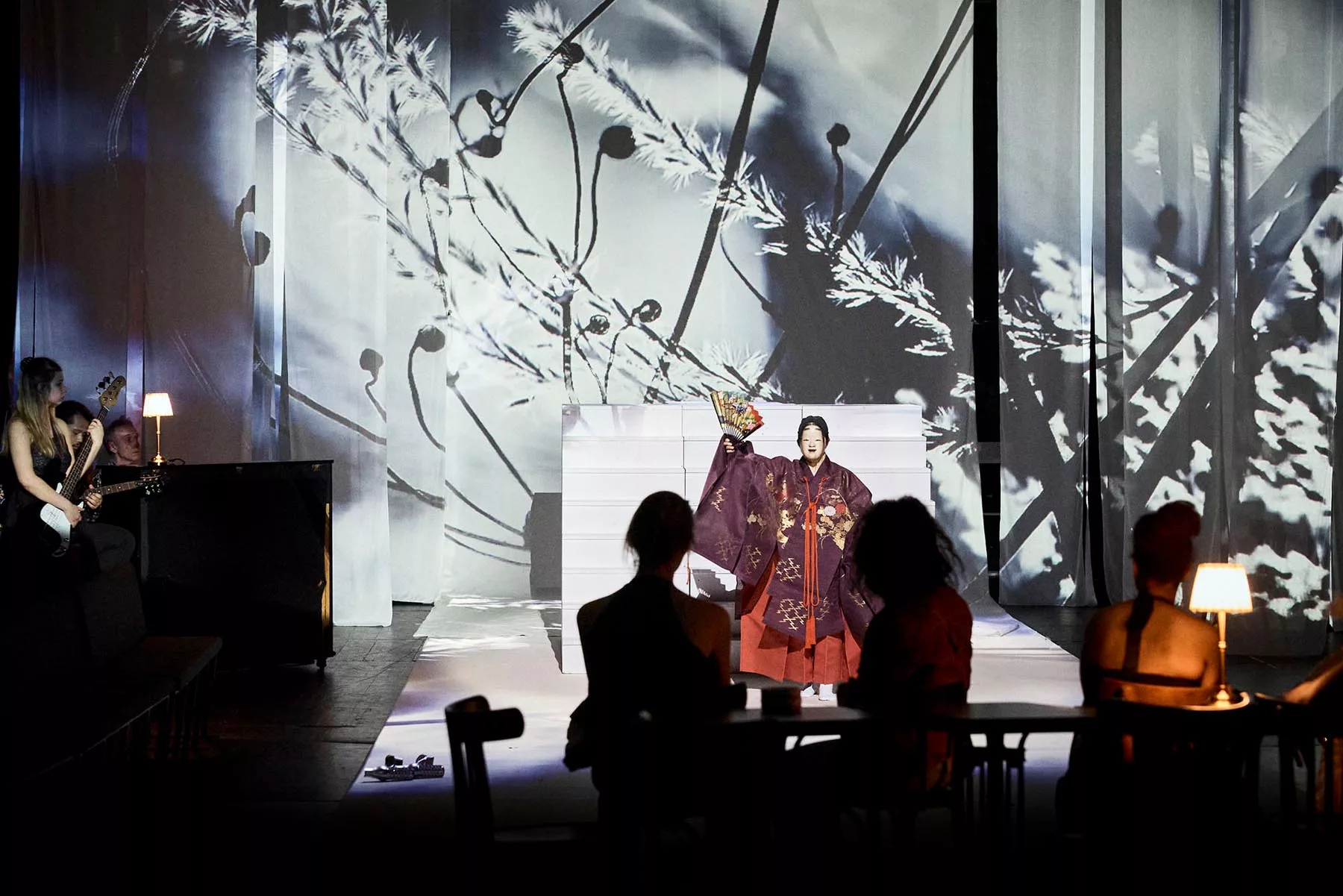
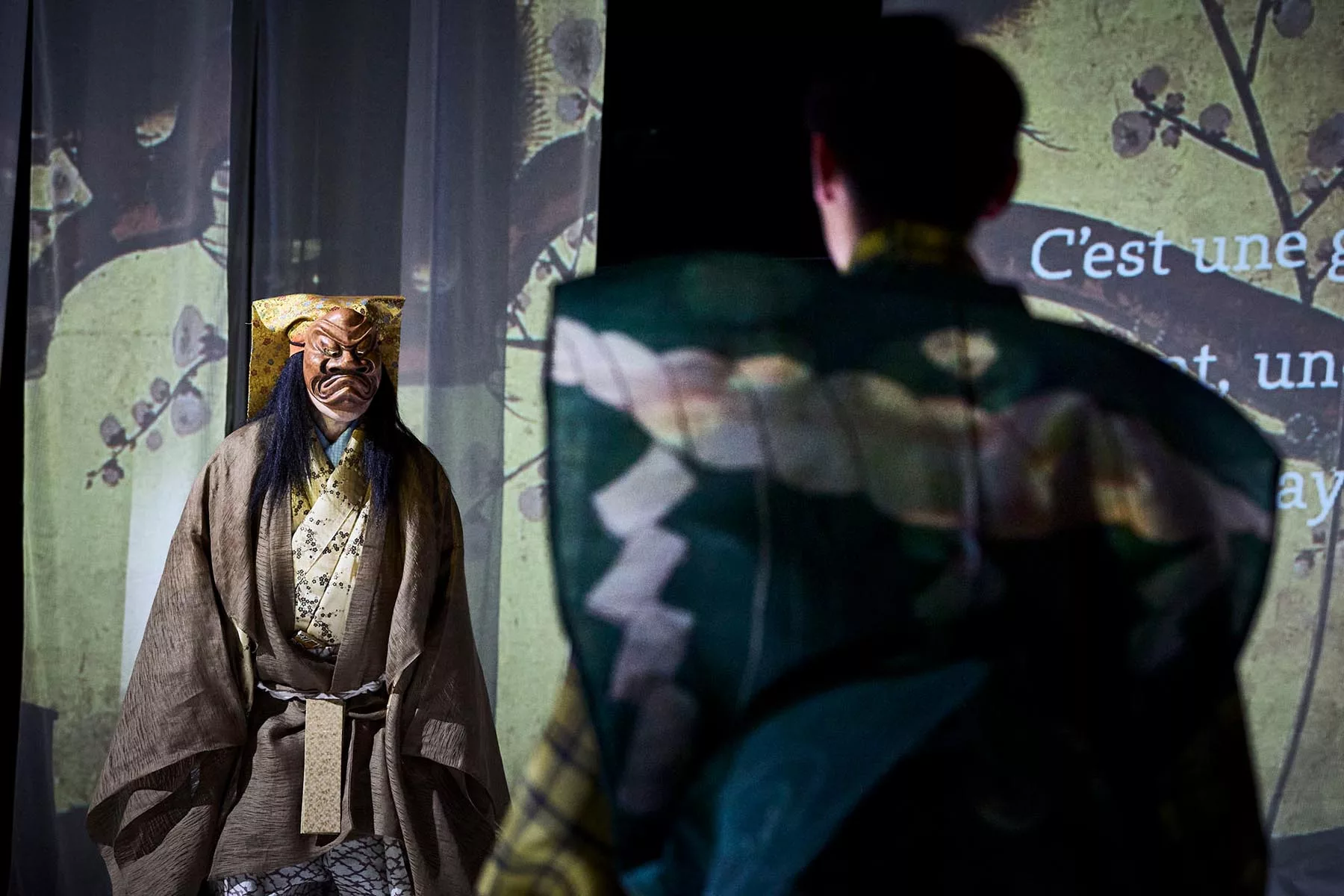
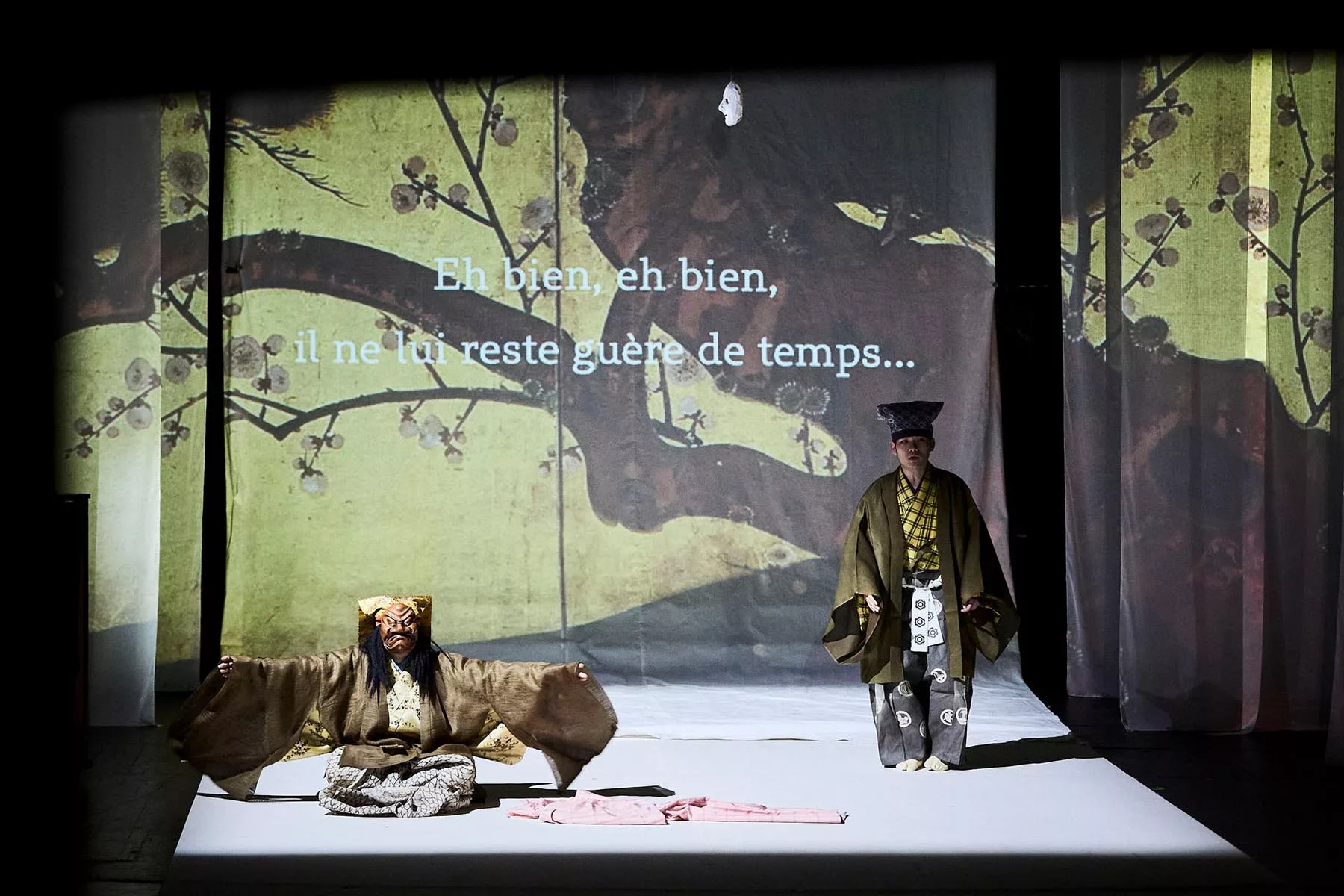
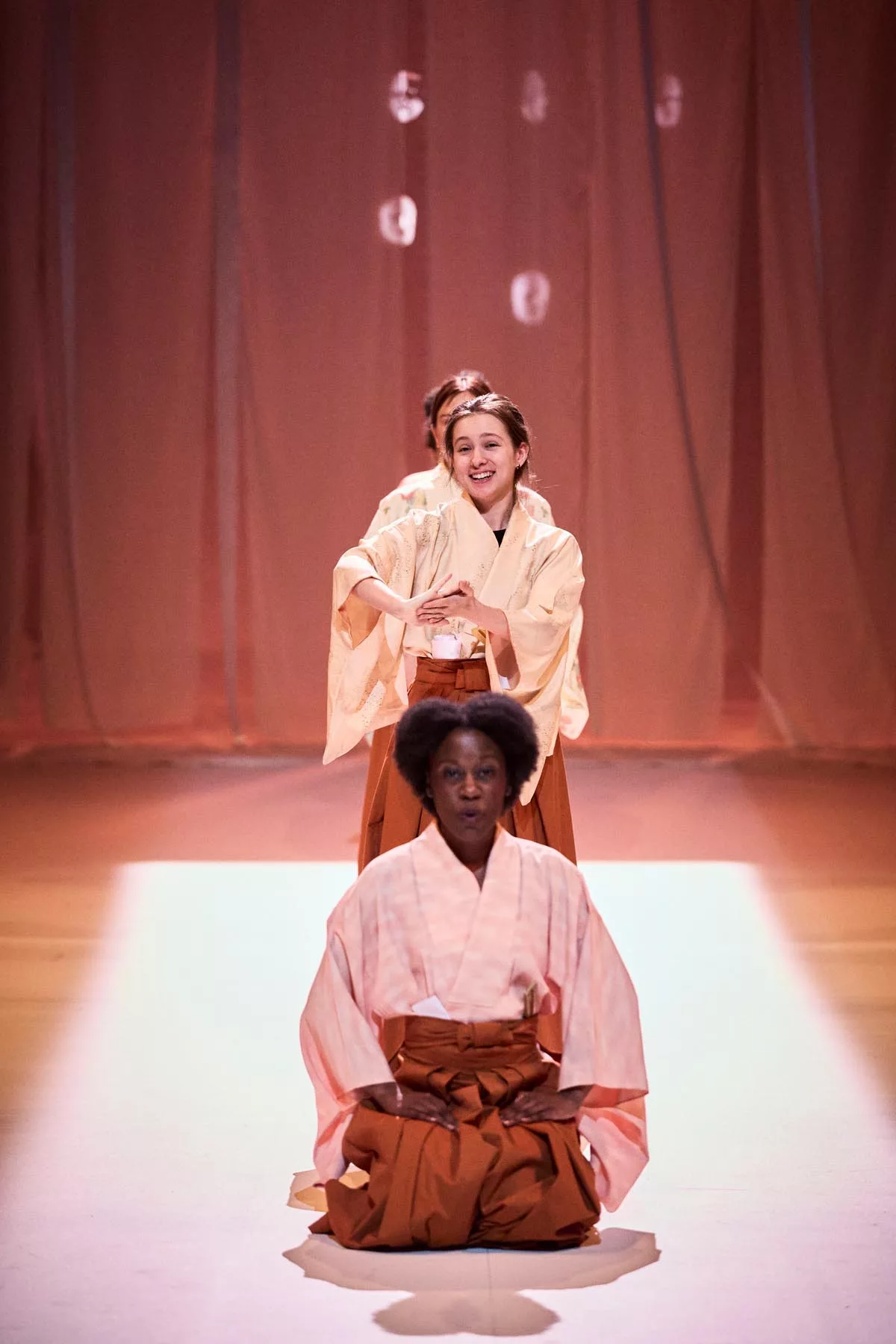
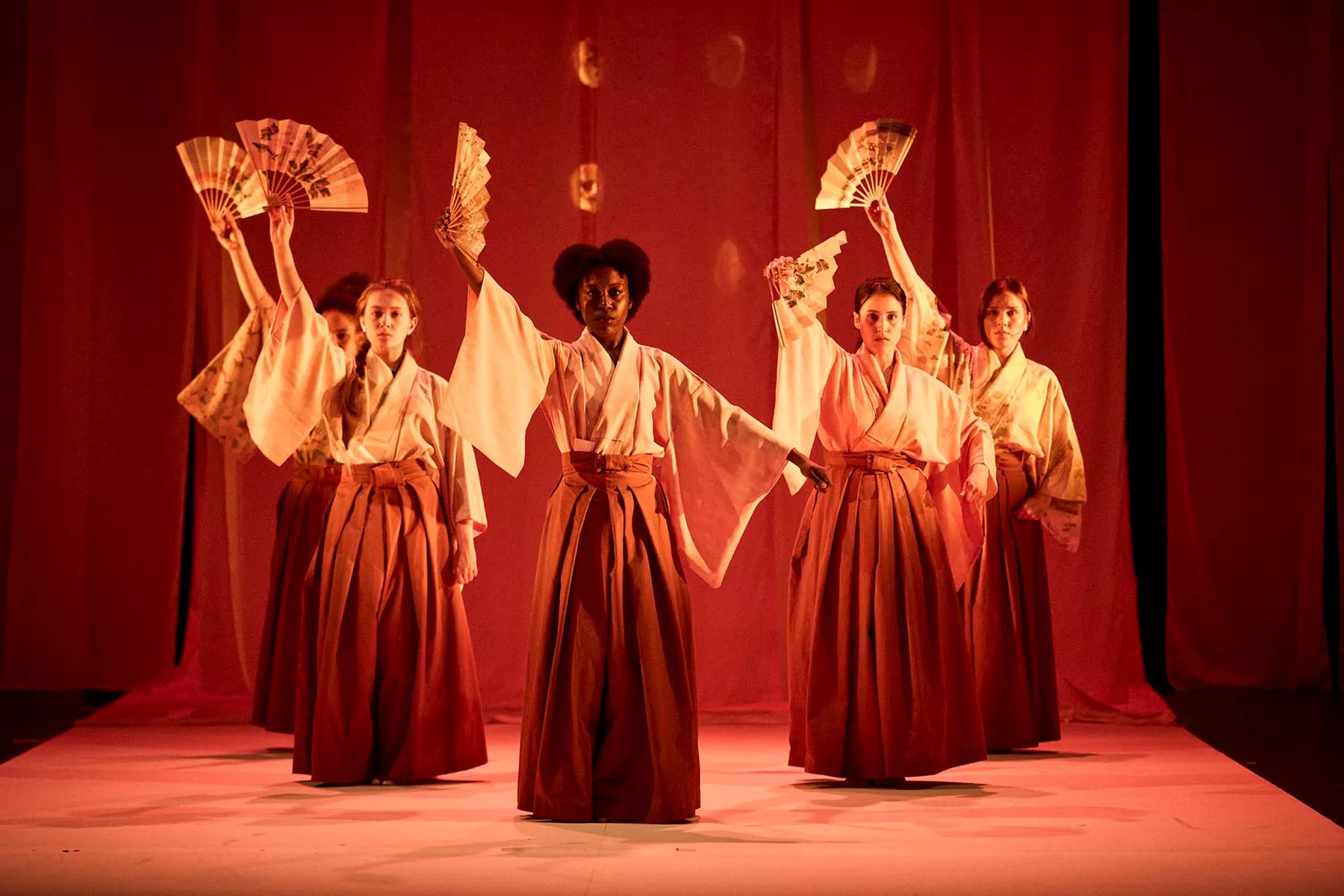
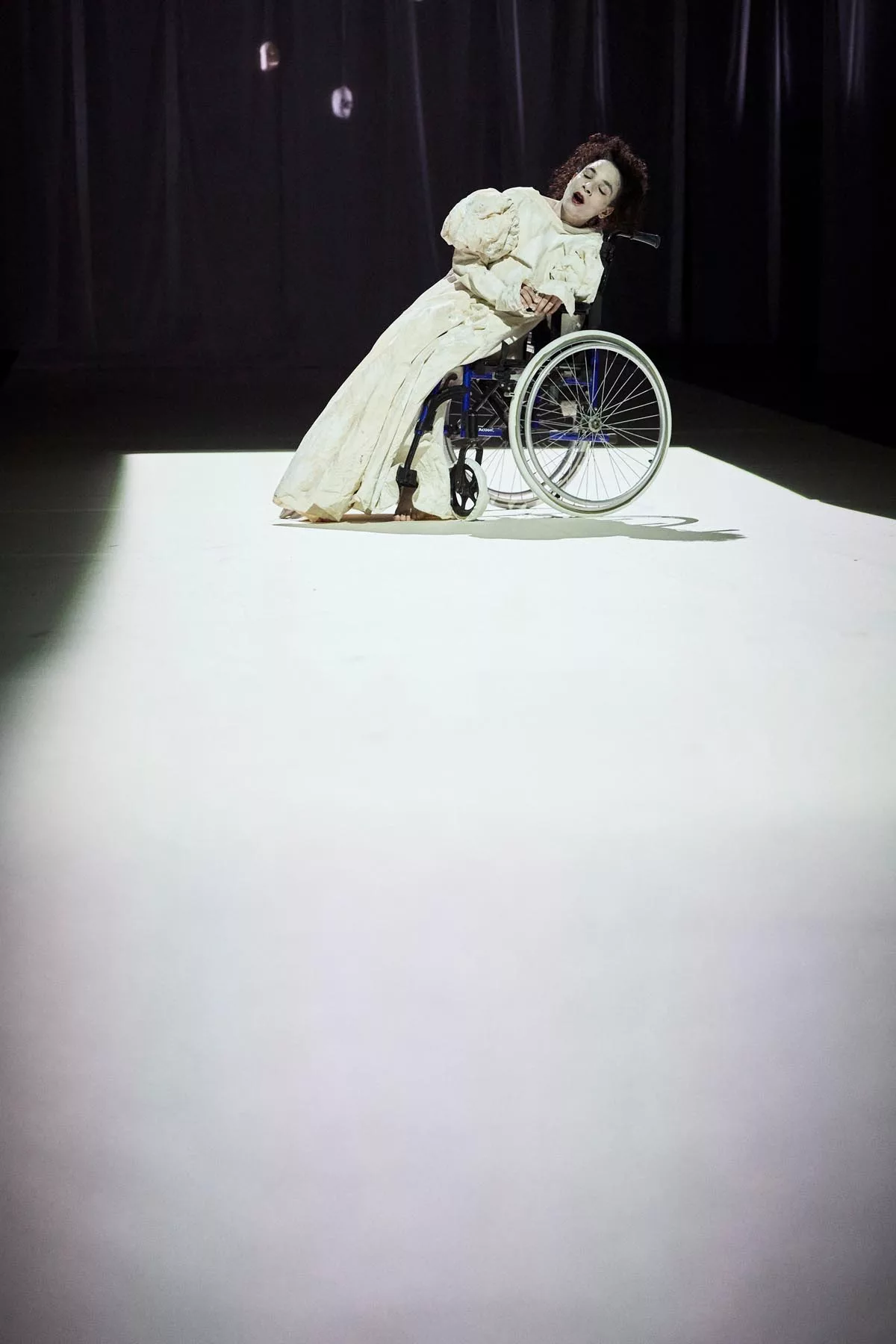
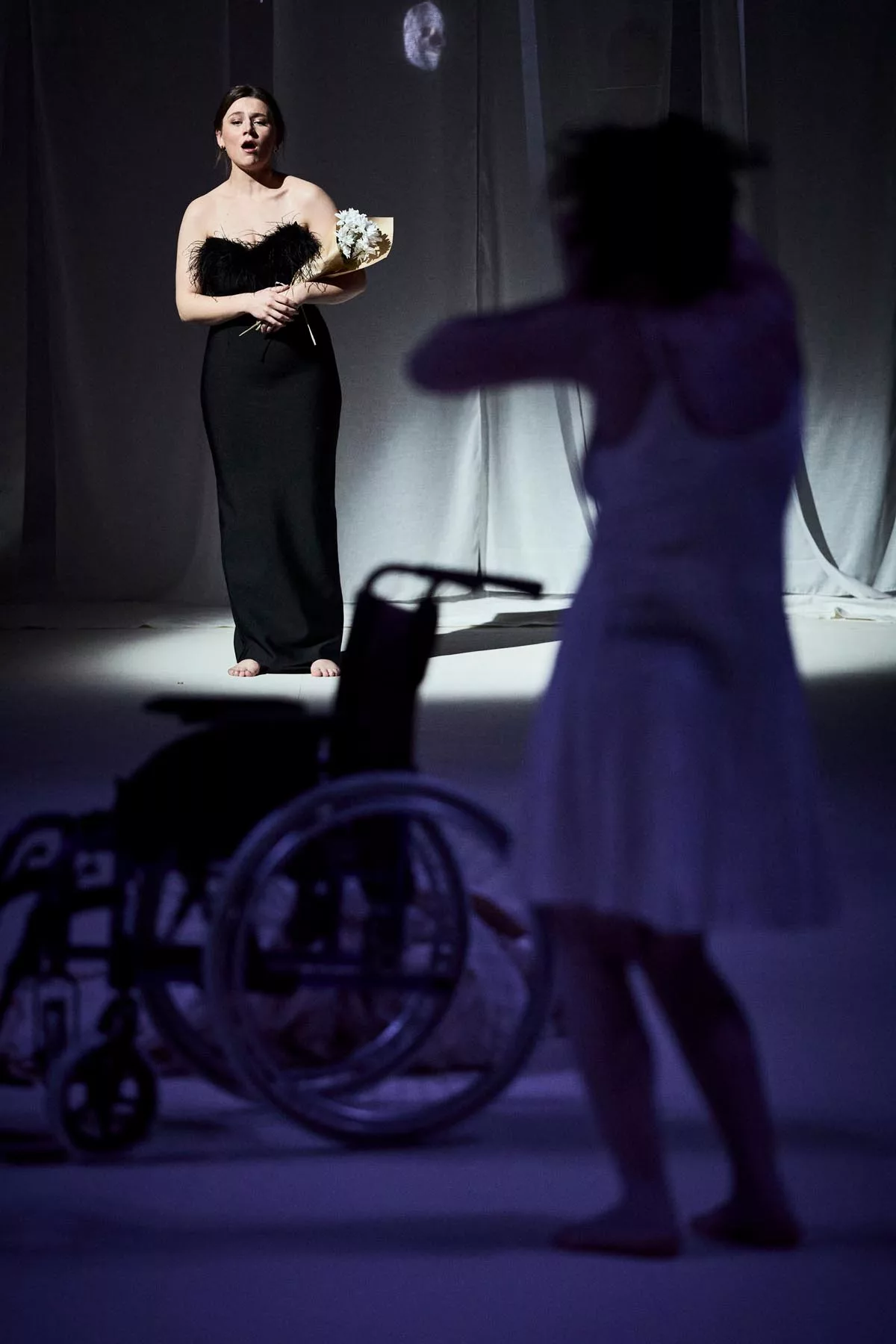
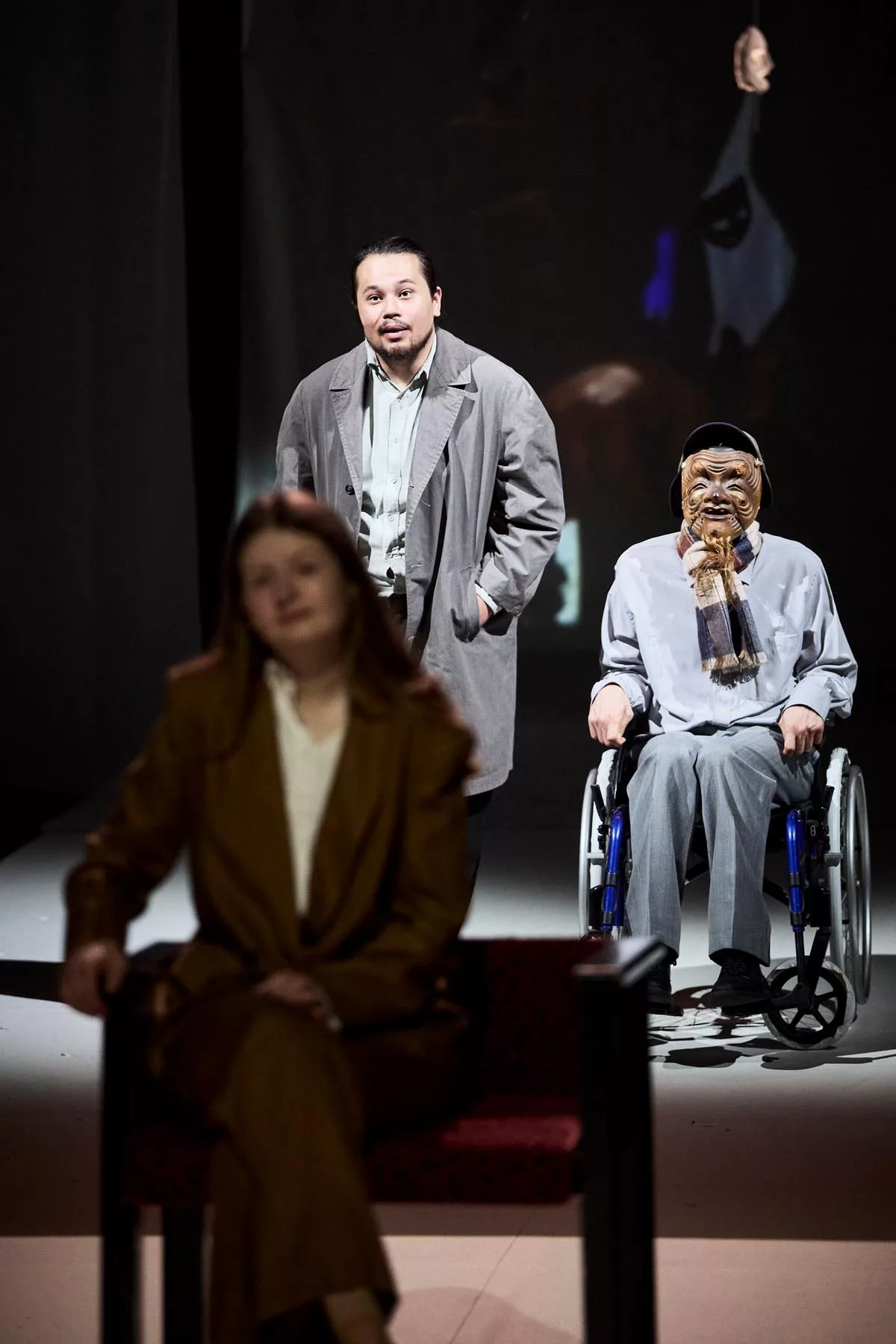
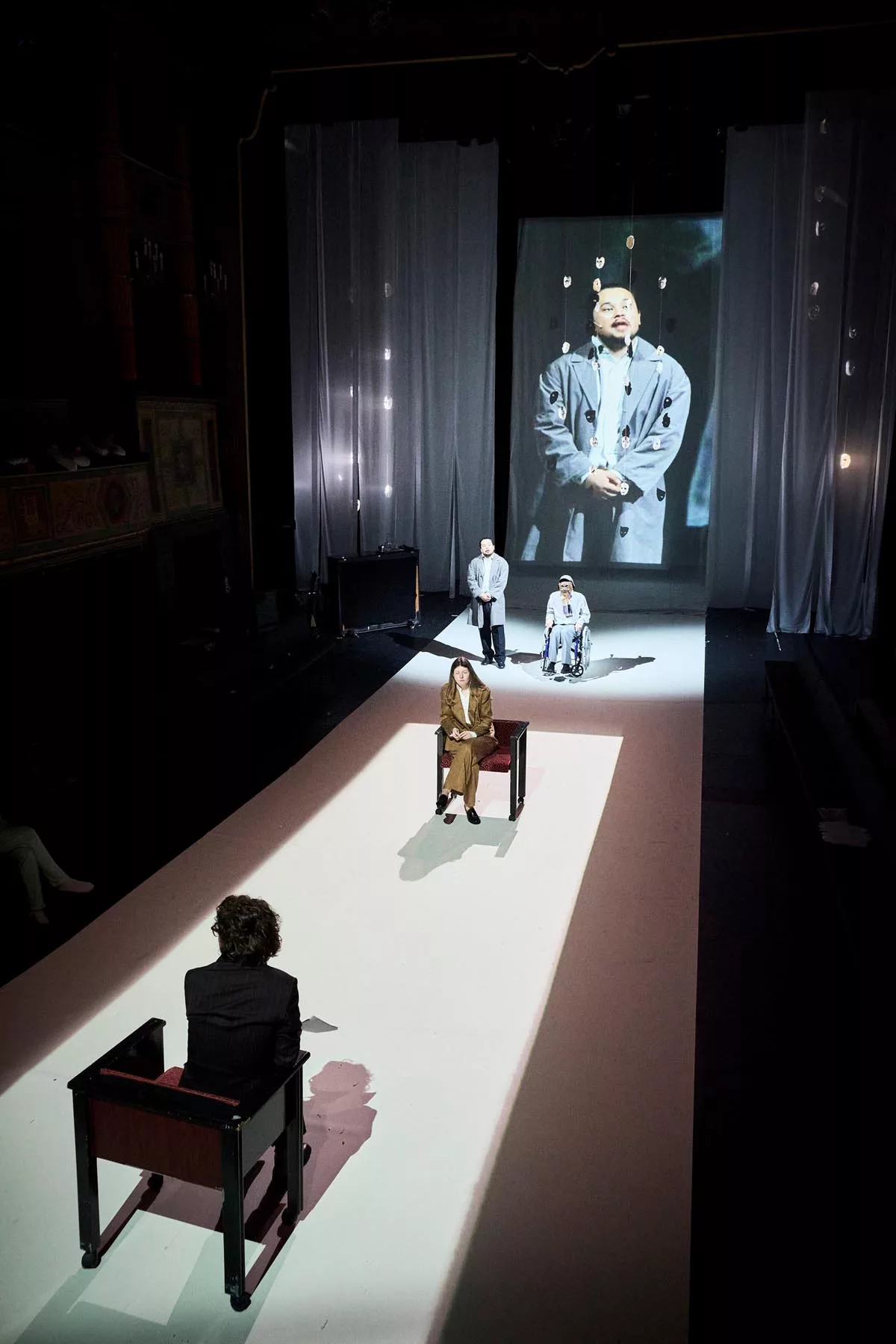
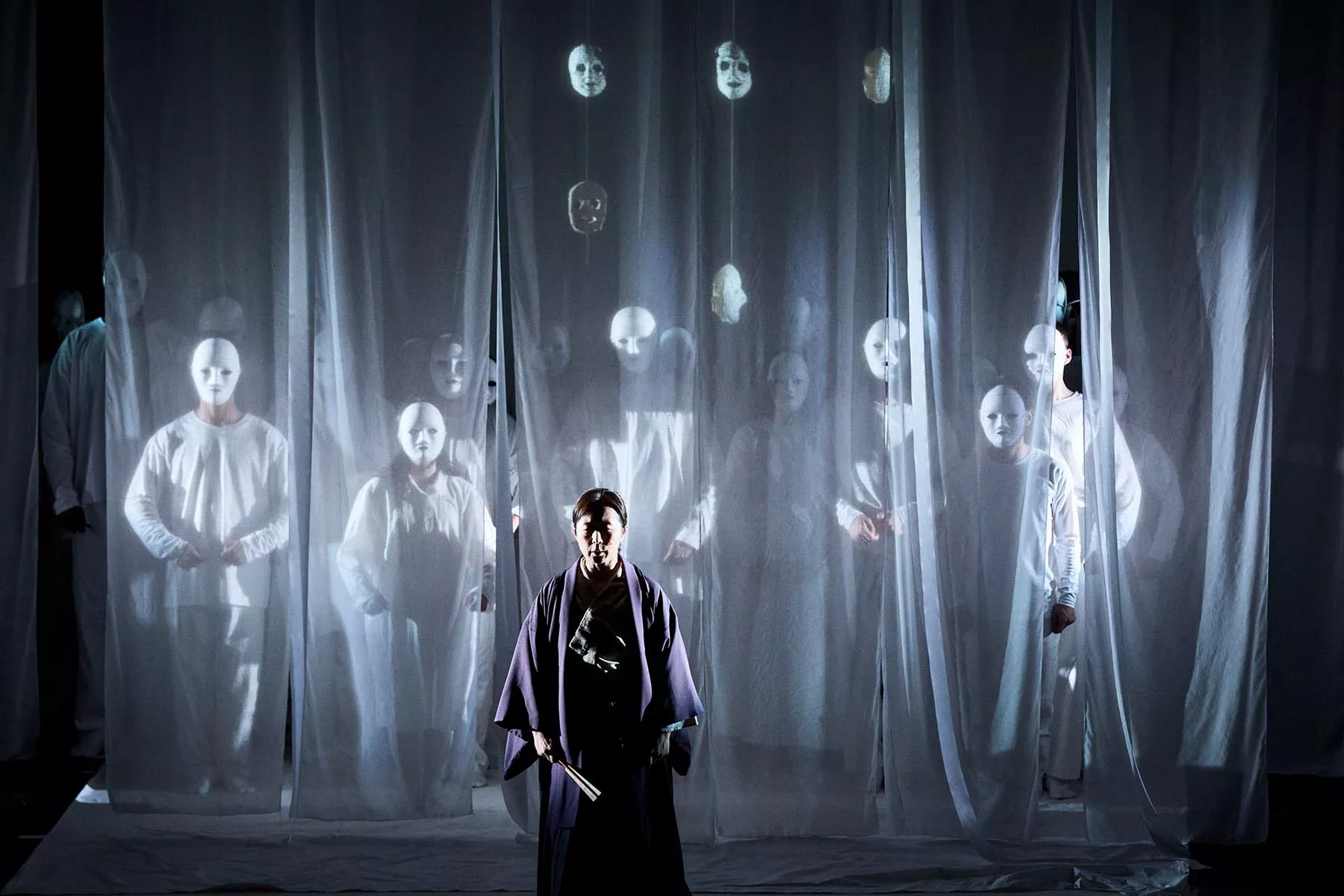
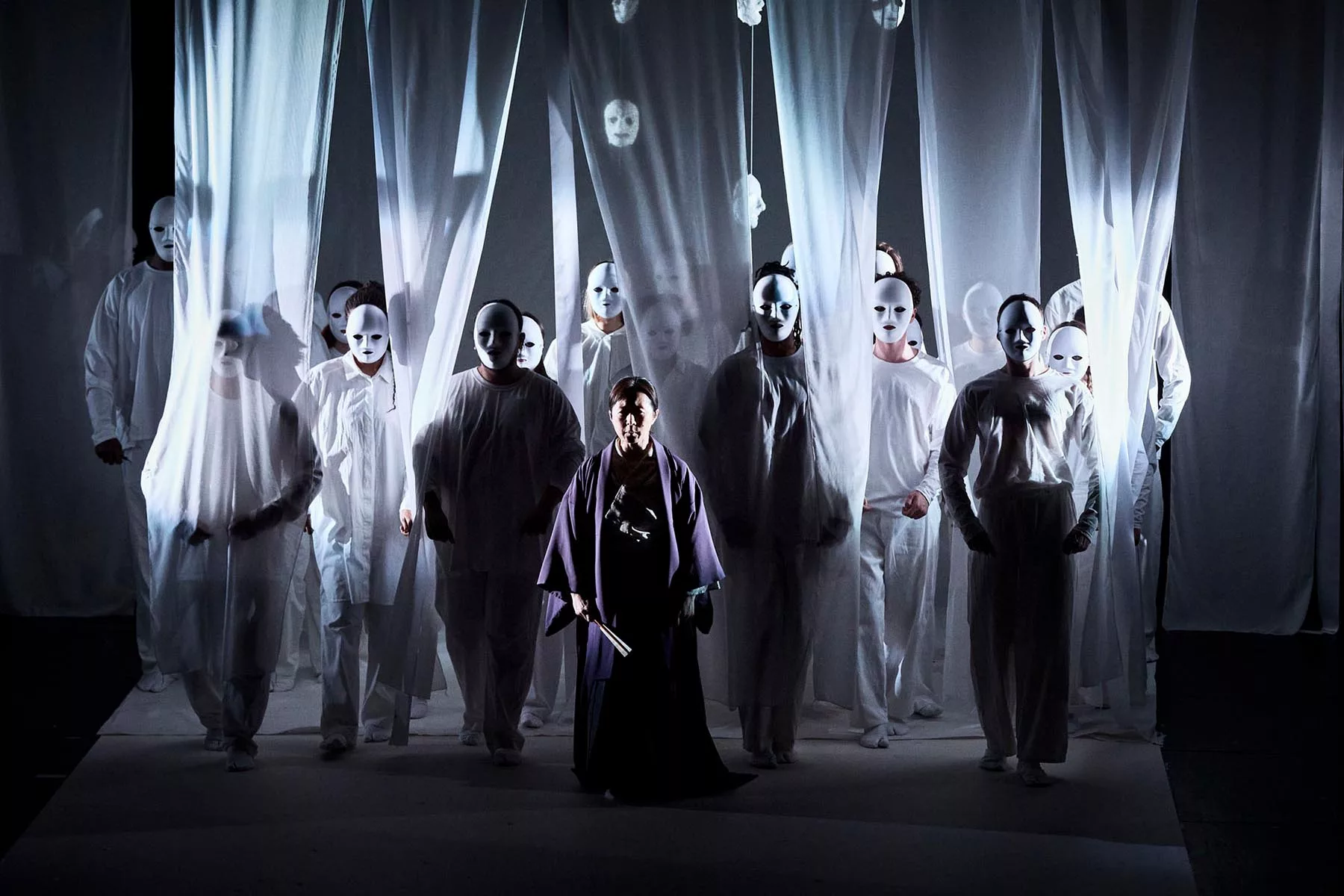
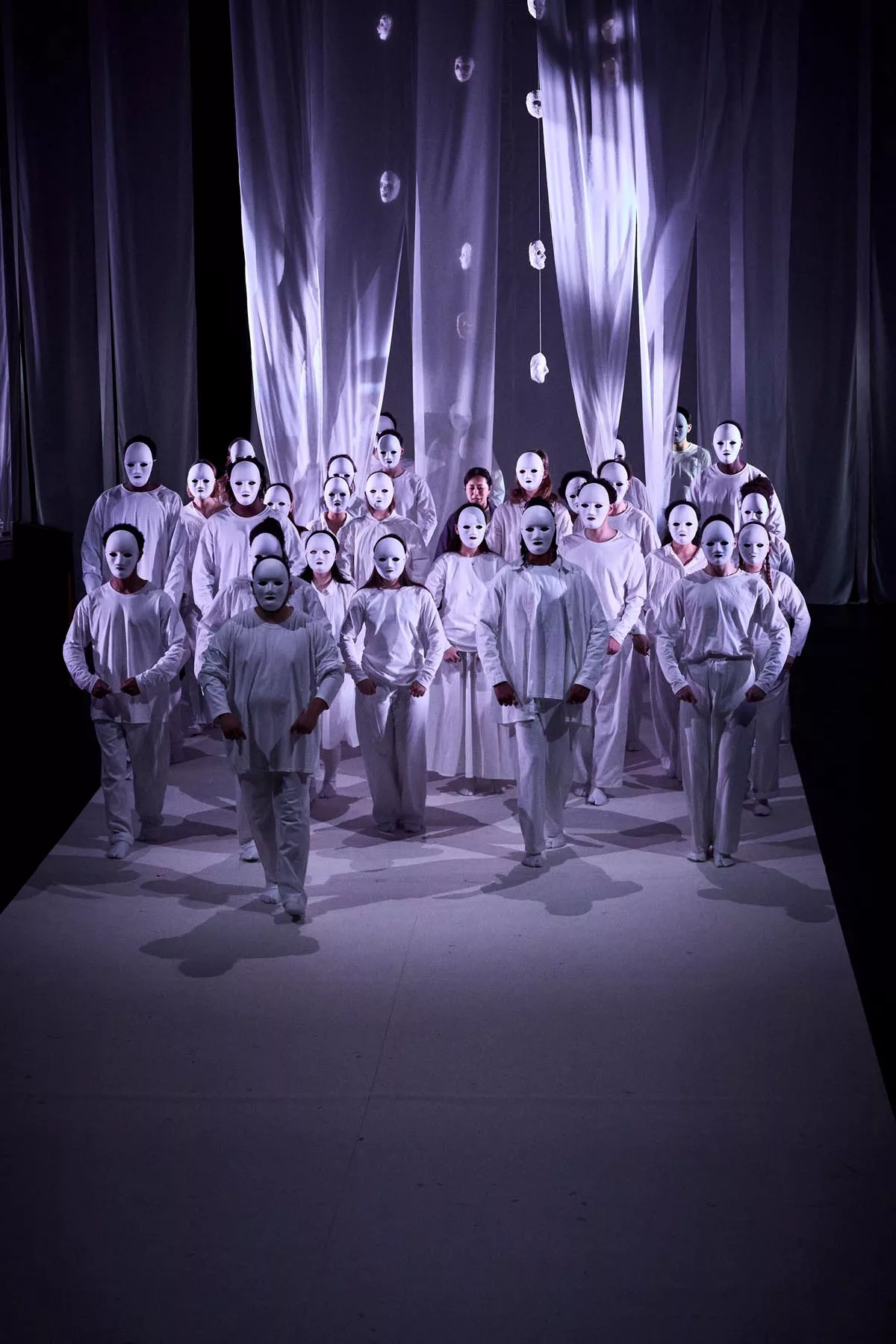
The action unfolds in a space-time continuum where the borders between present and past, reality and dream, are blurred. At the heart of the drama lies Myth. What does it still have to tell us? Does it still possess its ancestral power to forge communities? Can our myths — Eastern or Western, literary or theatrical — still inject a sense of shared identity into our fragmented societies? How can we reinvent the past (and even reject it) to reclaim the present? Echoing and relaying these questions, the figure of the Mask, a dizzying metaphor for an ever-shifting identity, permeates both the text and the staging. The centuries-old theatrical tradition of Noh and Kyogen, dramatic forms of ancestral Japan, as well as Butoh, Opera, and Drag, also join this masquerade. They tear apart the fabric of reality to reveal magical figures whose passions resonate with our own.
Vocality, chorality, and transculturality are recurring aspects of my artistic and
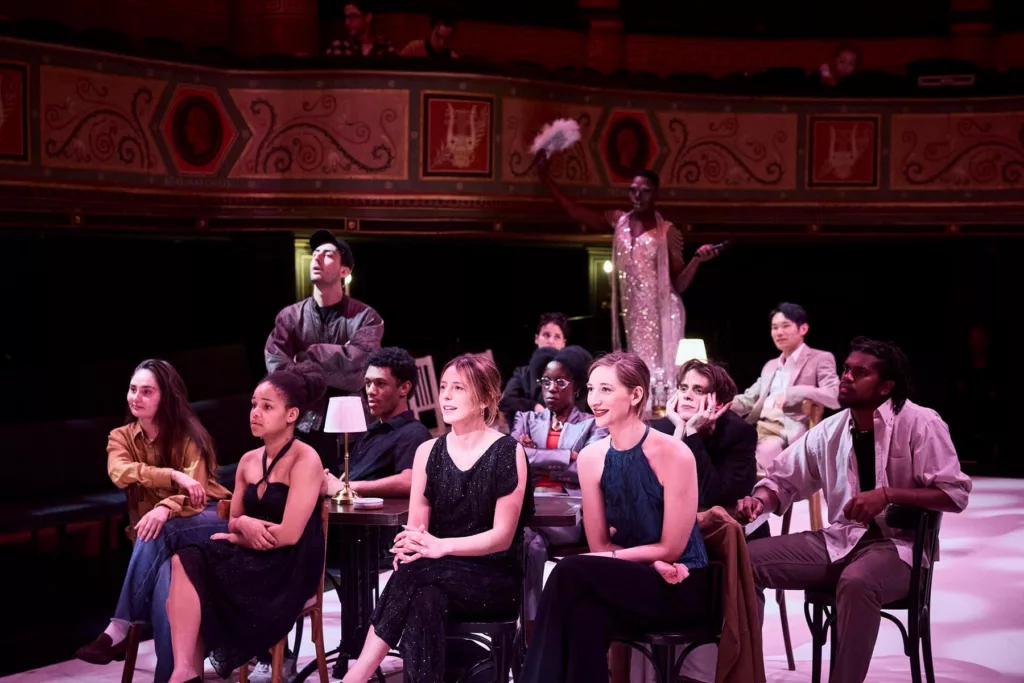
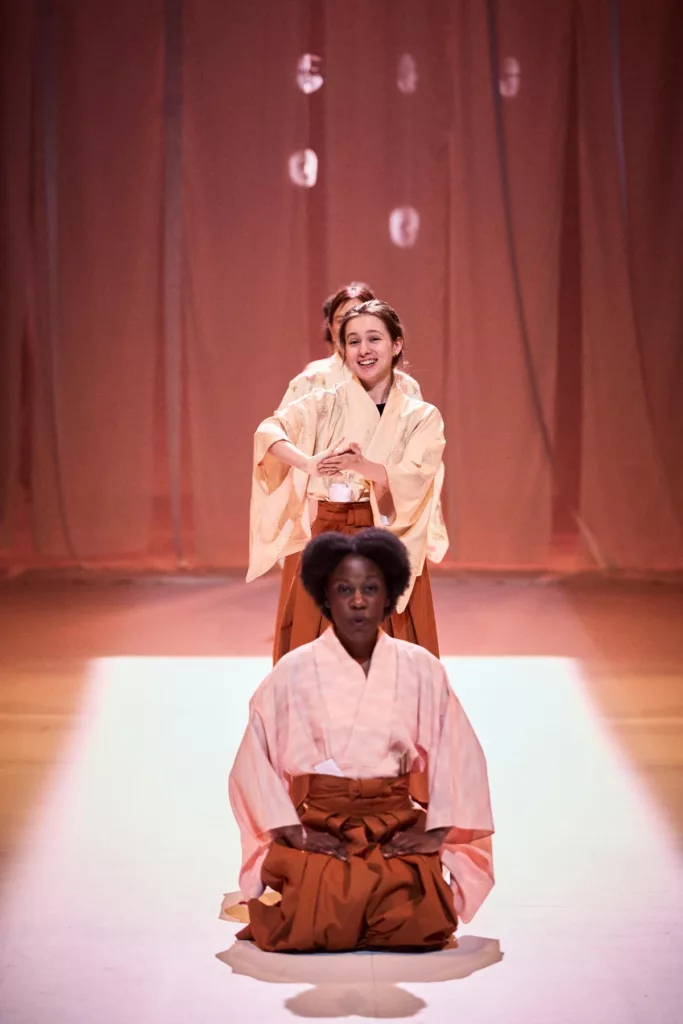
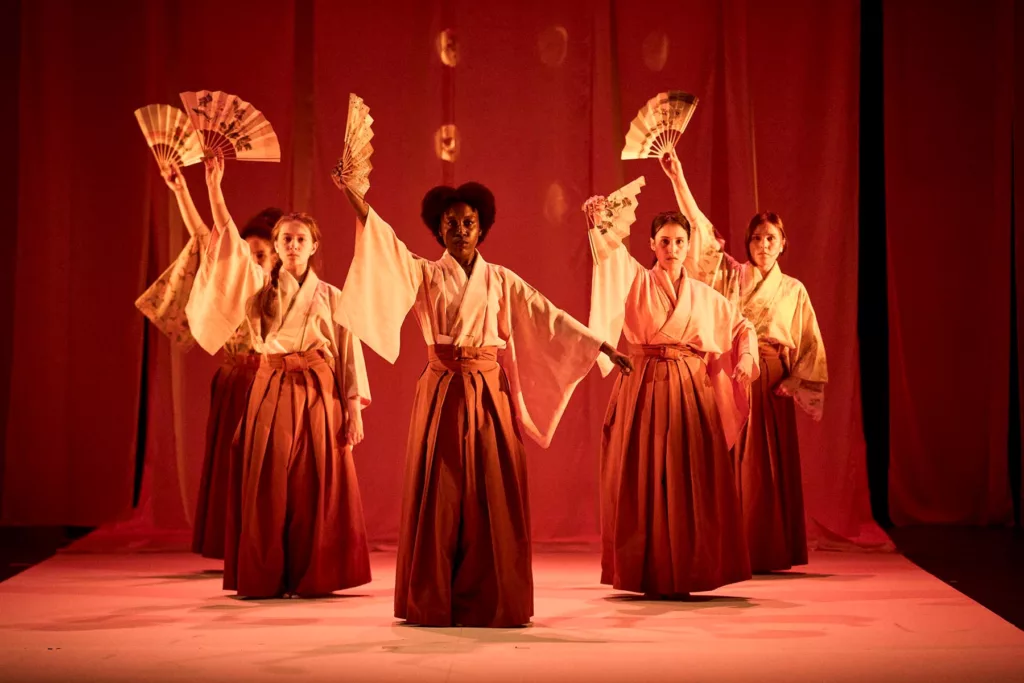
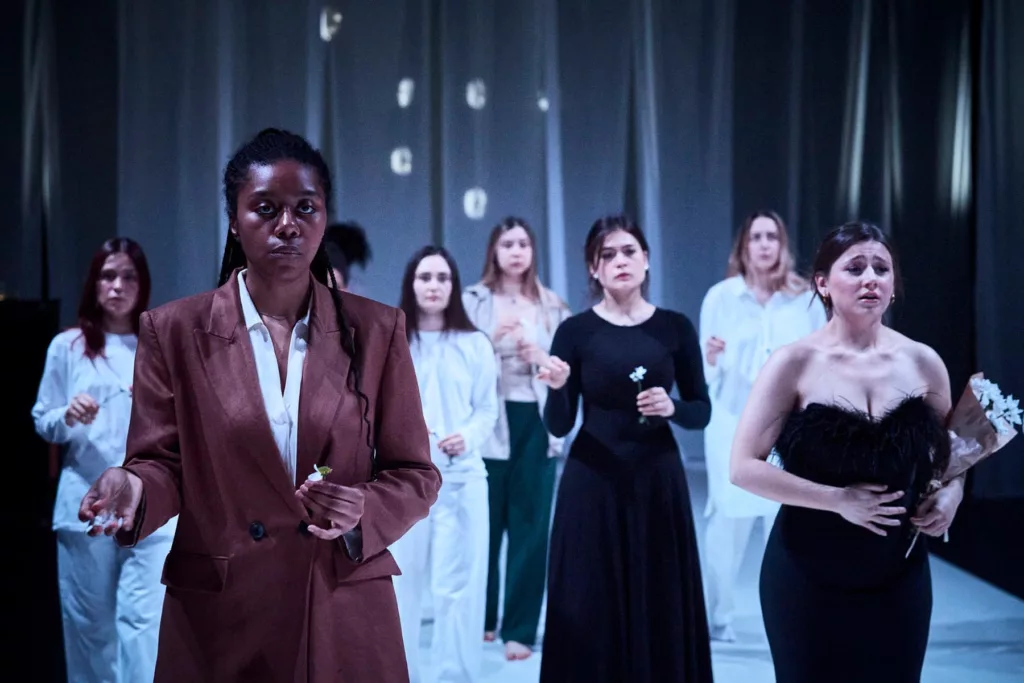
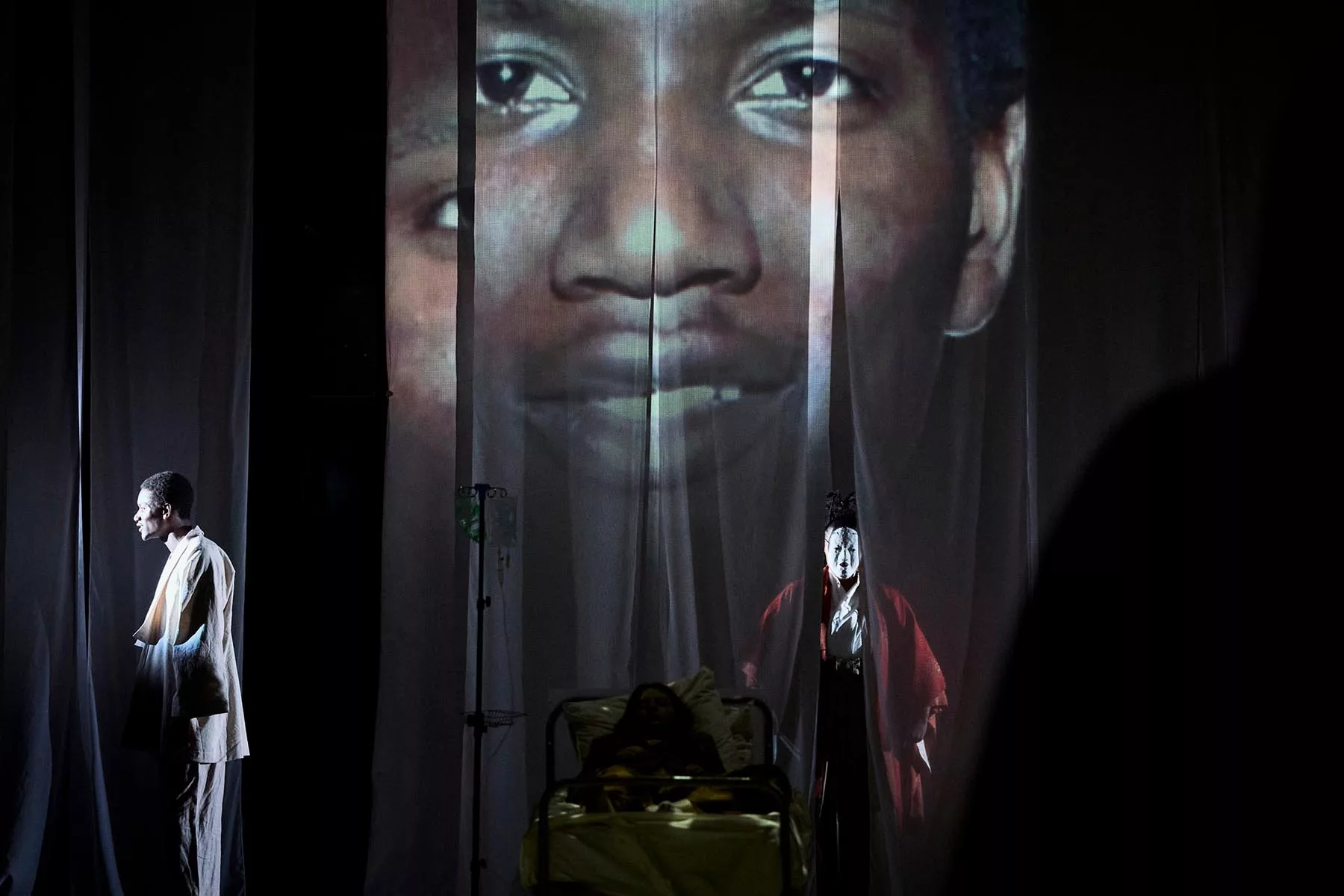
philosophical research. One can always find these three aspects in any of my multidisciplinary creations for the stage. Therefore, The Floating Bridge of Dreams is a choral fresco; a restless counterpoint depicted with a group of performers from France, Japan, Ukraine, Afghanistan, Brazil, Reunion Island, and beyond. Resonating with the legacies of Japan and the West. It explores the fragility, complexity, and plurality of our human condition.
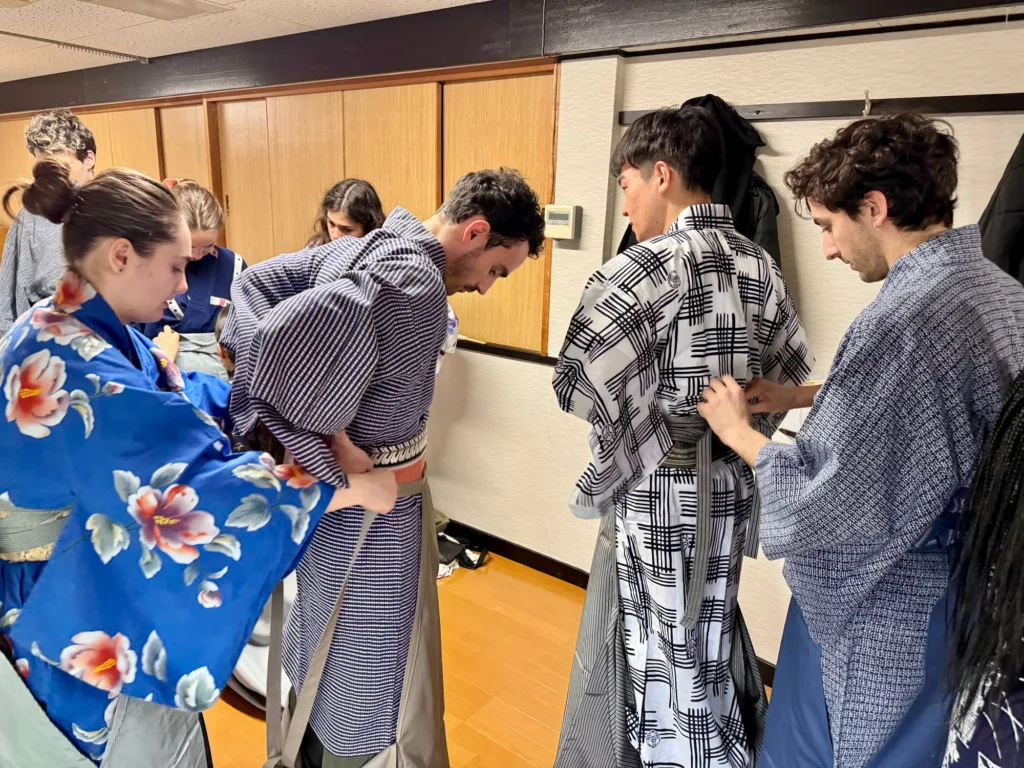
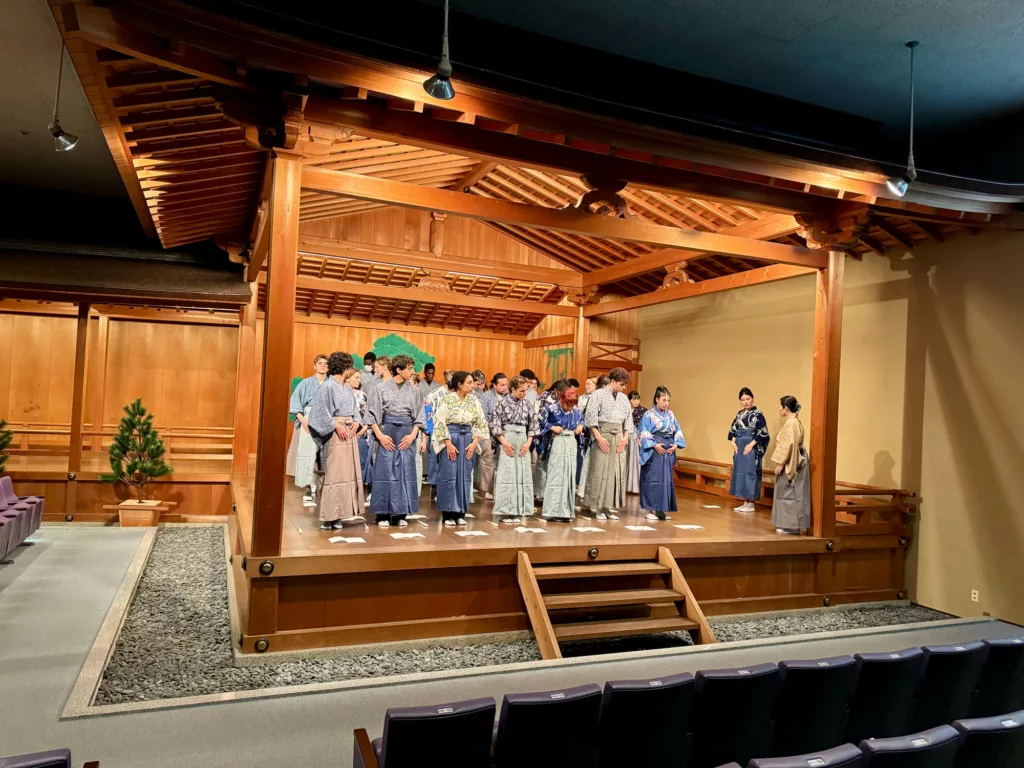
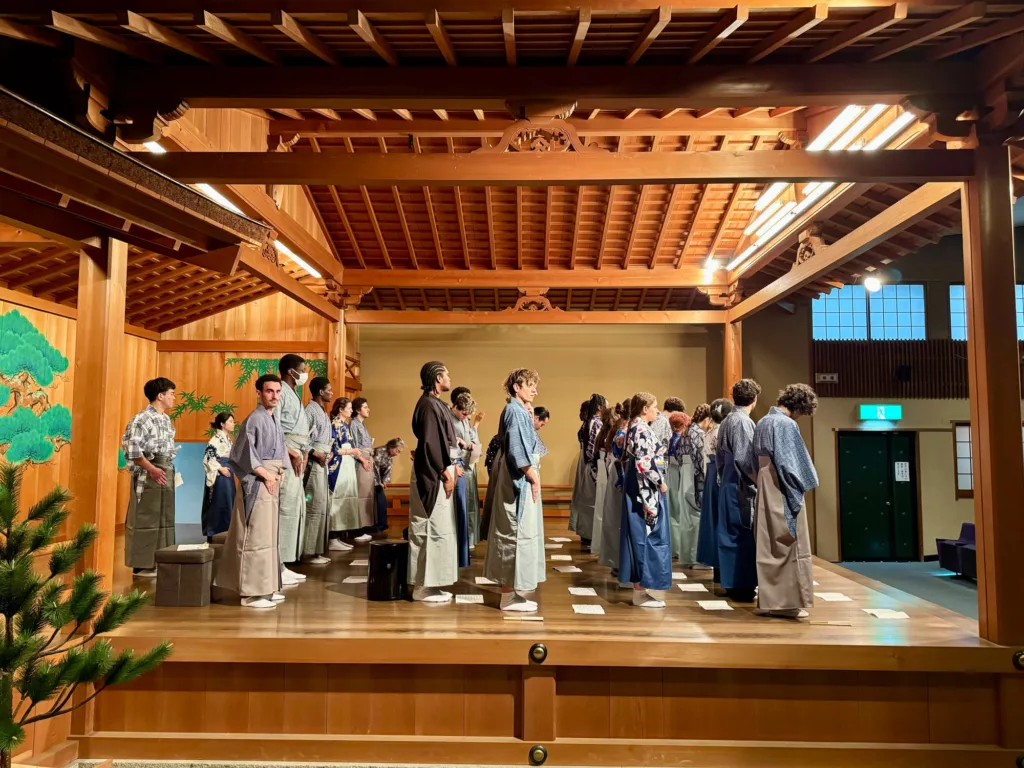
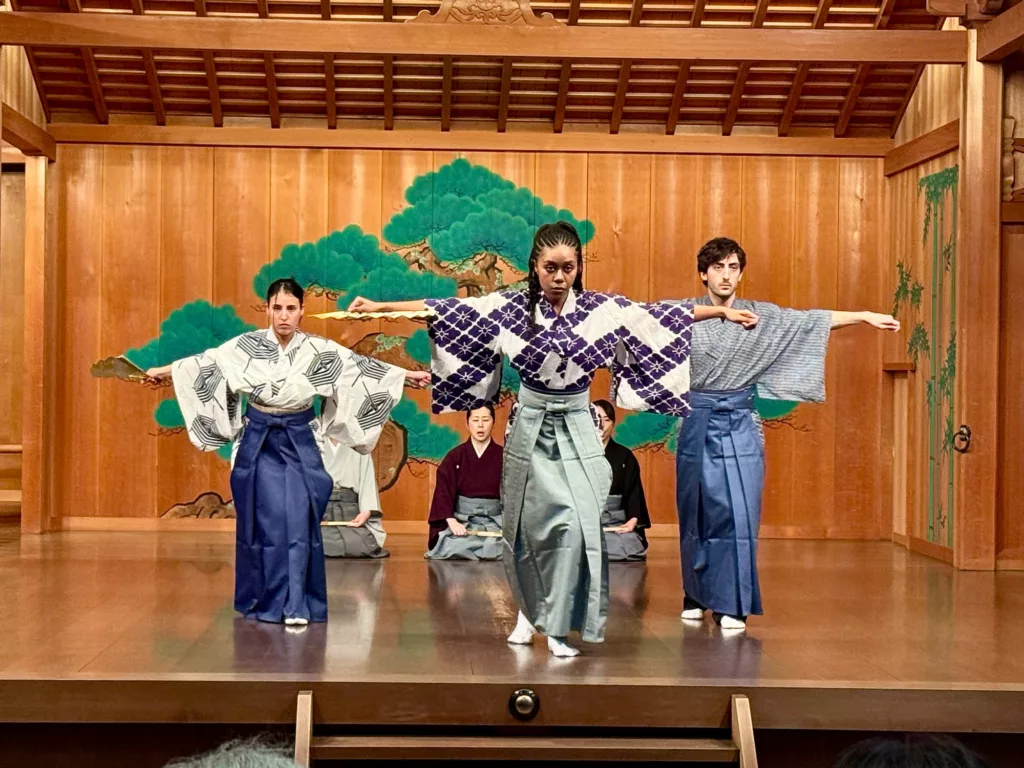
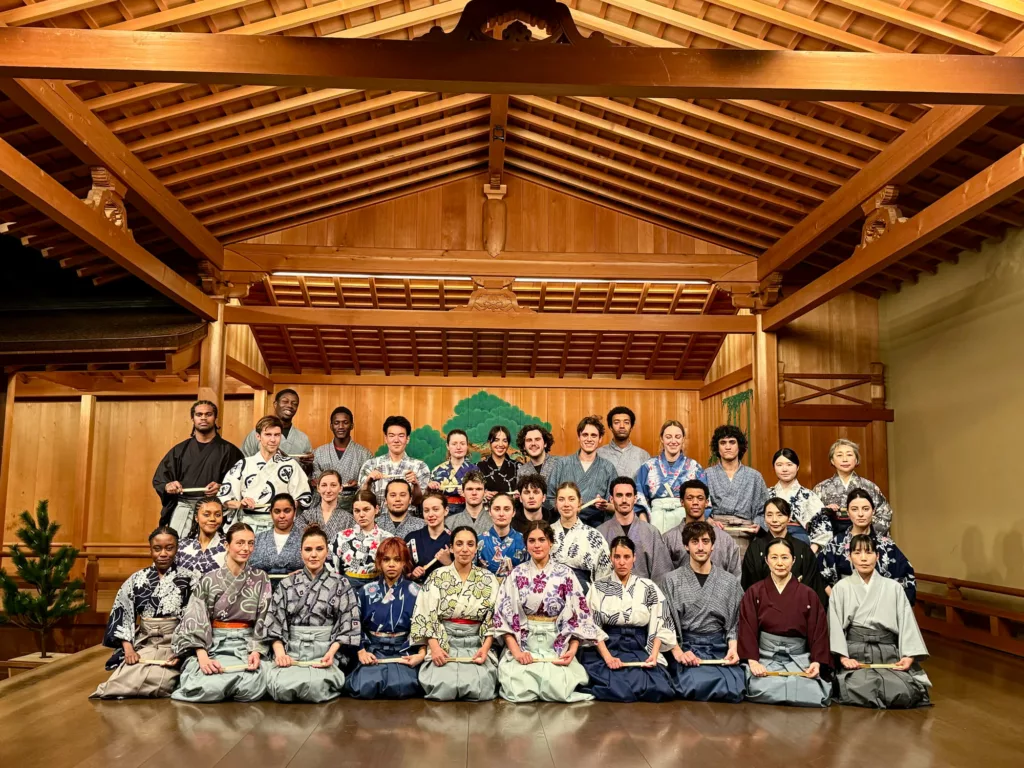
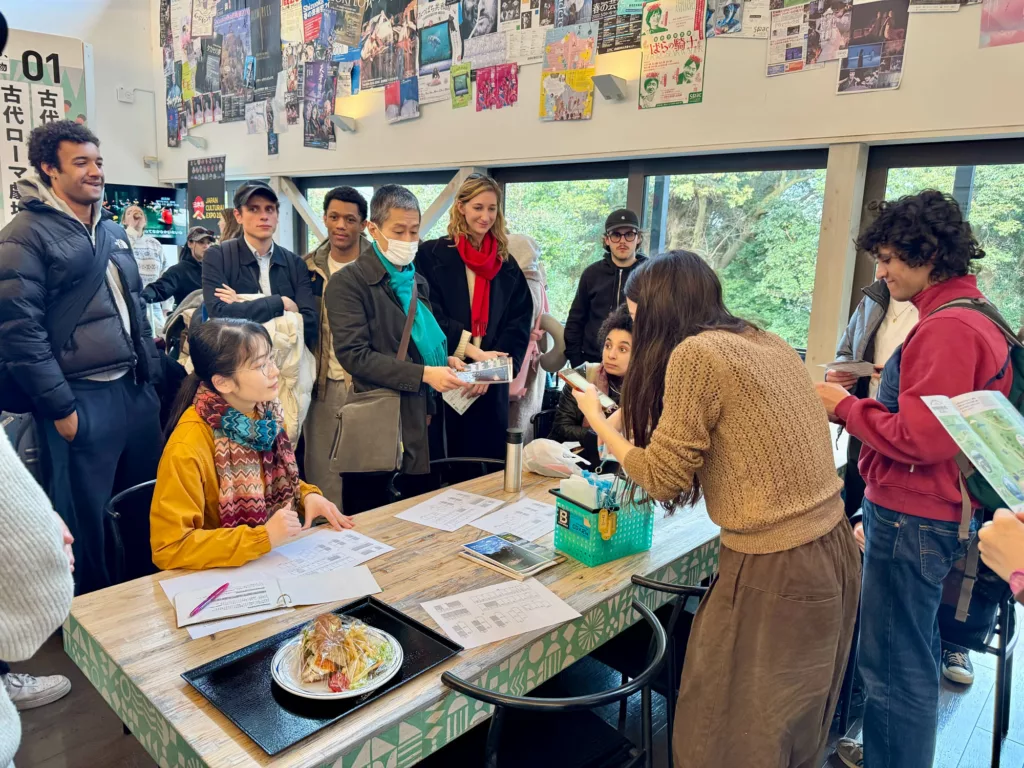
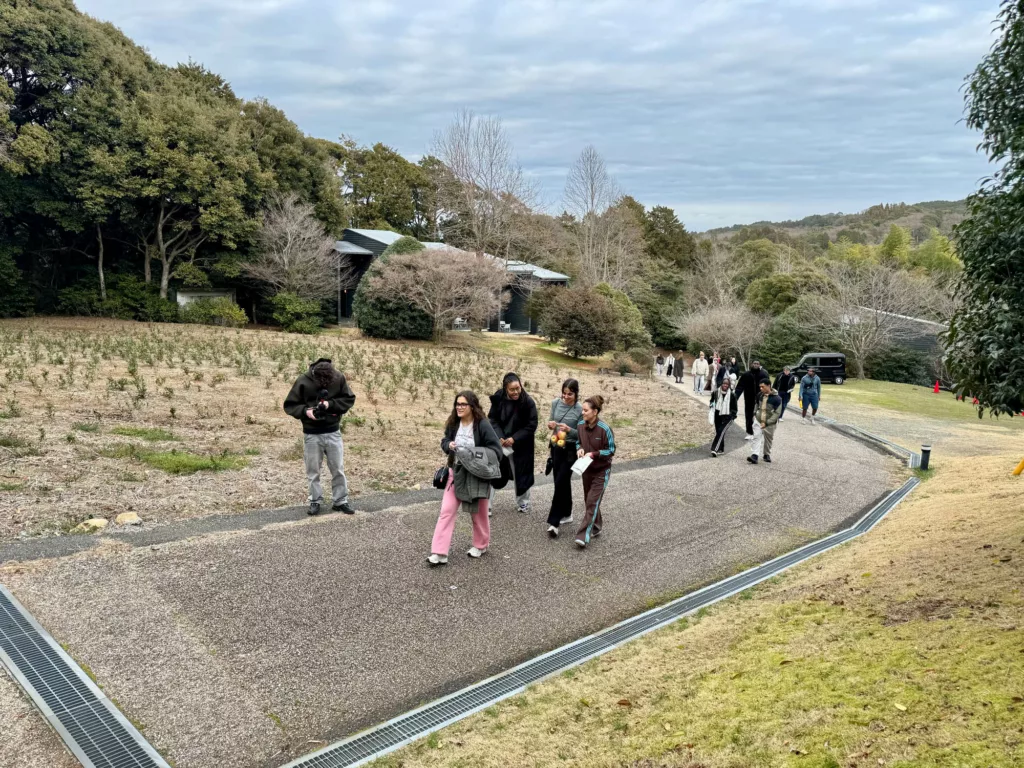
At the beginning of the process, we had a two-week immersive stay in Japan, discovering its culture and traditional dramatic forms. This was a rare opportunity for these thirty young artists to experiment other visions, conceptions, and practices of performing arts outside of their cultural boundaries. The kind of priceless, life-changing treasure that one is not likely to forget…
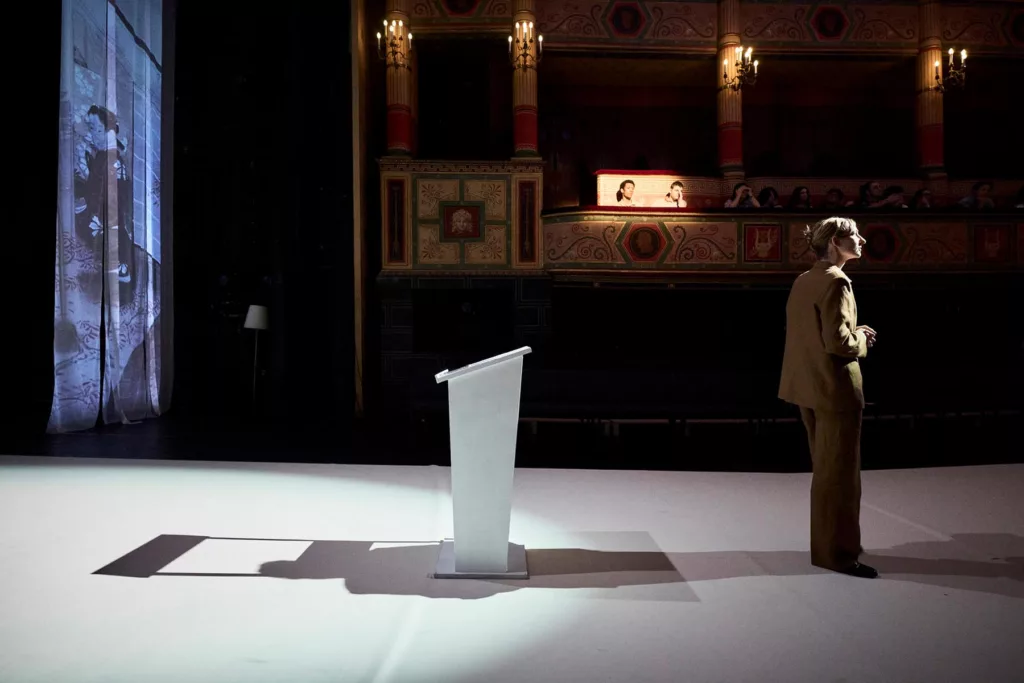
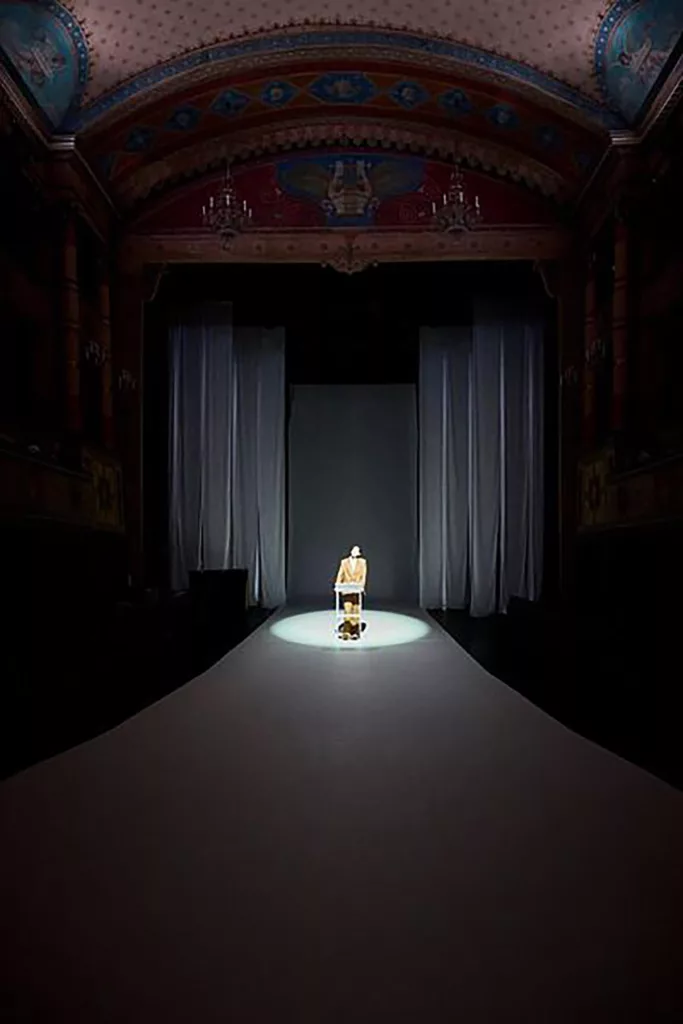
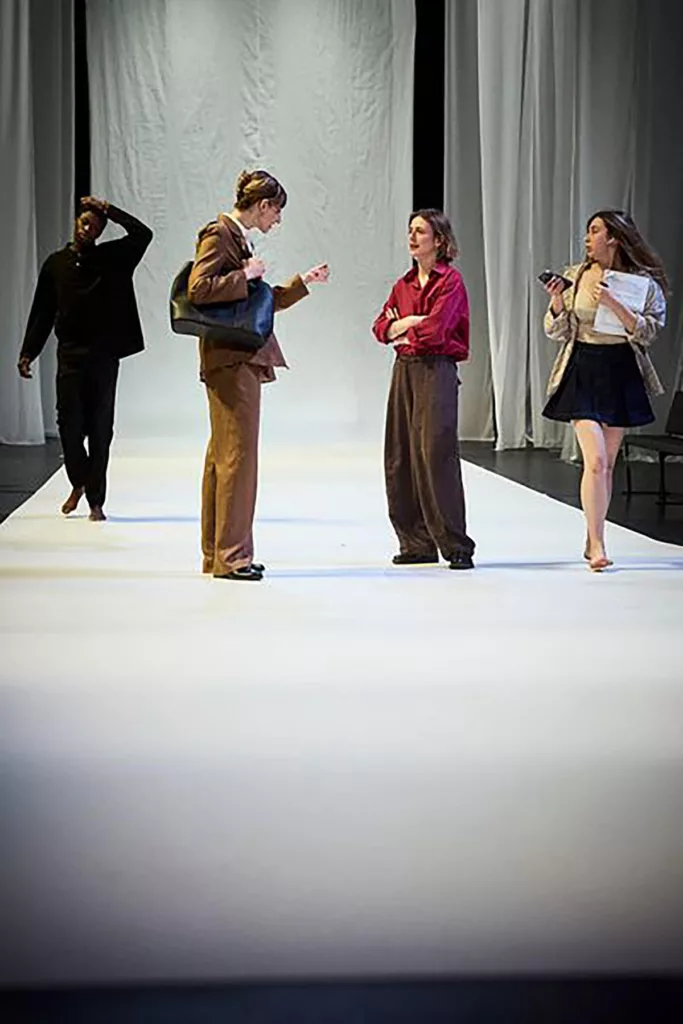
Credits
A contemporary dramatic fantasy inspired by The Tale of Genji by Murasaki
Shikibu
Text, direction, and musical direction: Marcus Borja
Choir direction and dramaturgy collaboration: Mélanie Collin-Cremonesi
Movement direction and choreography: Márcia Duarte
Introduction to Noh practice: Kinue Oshima
Production (Japanese side): Midori Okuyama*
Assistant director and translator: Lou Tokino Cardonnel
Assistant intern: Lou Gérard
Set design: Aoï Ito*, supervised by Takuya Aoki*
Stage management: Saïd Belhamra and Manon D’Auvergne-Bey
Lighting design and operation: Julien Ullman and Yolène Forner D’Orazio
Sound design: Kanna Mori* (supervised by Haruhi Imai*) and Sam Jamin
Sound operations: Sam Jamin
Video Creation: Yuka Toyoshima and John M. Warts
Video operations: John M. Warts
Video Consultant: Fred Pickering
Costumes: Valérie Montaigu assisted by Avril Negre
Masks: Aoï Ito*, Takuya Aoki* and Valérie Montaigu
“Hotaru” Lightis conception: Hiroco Uchida
Production Assistants (Japan): Shunsuke Suganuma* and Kaho Shimamura*
Technical Direction: Sébastien de Jésus and Valentin Pinoteau
*from the Nihon University (Nihon Daigaku) team
With
Maxime Allègre, May Ameur Zaïmèche, Philippe Bertrand, Antoine Cailloux,
Claire Chambon, Mohamed-Lamine Cissé, Siriné Cissé, Laura de Minvielle,,
Mathieu Delacour, Romane Djedjiga, Maca Elia, Etienne Guattari, Anna
Hromova, Emilie Hubert, Alexis Joly, Menel Kalay, Dounia Koyaté, Kateryna,
Kukhelna, Simon Laffort, Mathilde Le Borgne, Bless Lukombo, Hanna,
Manzhoura, Mariana Minina, Marina Mouniapin, Alban Pellet, Matteo Pereira,
Théo Pham, Armance Pirovano, Fatima Tawakkuli, Anastasiia Zhyvotova
Special Guests:
Yoshi Oida, Kinue Oshima, Tadashi Ogasawara and Hiroaki Ogasawara, Yuka
Toyoshima, Márcia Duarte, Kaho Shimamura, Vincent Leterme and Adélaïde
Mansart (student at the CNSMDP)
Special Thanks
Oshima Nogaku-dô (Fukuyama):
Kinue Oshima, Chie KatoMasanobu Oshima, Yasuko Oshima, Norie Araki
City of Fukuyama:
Mayor: Naoki Edahiro
SPAC (Shizuoka Performing Arts Center)
Satoshi Miyagi, Yoko Narushima, Yoshiji Yokoyama, Toshiki Sakanaka, Haruka Miyagishima
Kitchen Team/Catering:
Kazushige Sugimoto, Yukiko Ishinagi, Ayako Ishikawa, Yasuhiro Yunoki
Fureaï Land (Fukuyama)
Deputy director: Sayuri Urabe
Sasakawa Franco-Japanese Foundation
Grant awarded to the team from the Faculty of Arts at Nihon University:
SEED—Research & Education Program, Japan Creator Support Fund For
Creator Development, and Research Project designated by the Dean of the
Faculty of Arts at Nihon University
Paris Sciences and Letters :
Jennifer Heurley, Jenny Karanfil
Also:
Anne Bayard-Sakai (INALCO), Saeko Kimura (Faculty of Liberal Arts, Tsuda University), Mitsuhiro Hakamada (Faculty of Letters and Sciences, Nihon University), Charles-Henri Bradier (Théâtre du Soleil), Aya Soejima (MCJP), Samson Sylvain and Miho Sano (French Institute of Tokyo), Juliette Chevalier (French Institute of Kansai), Adèle Frémolle (Villa Kujoyama), Aya Wakamatsu (Association of Noh Theatre Artists), Gilles Oltz and Claire Lasne-Darcueil (CNSMDP), Dominique Palmé, Sae Cardonnel
This project is an international collaboration between the National Academy of Dramatic Arts, the Faculty of Arts at Nihon University, and the Shizuoka Performing Arts Center (SPAC).
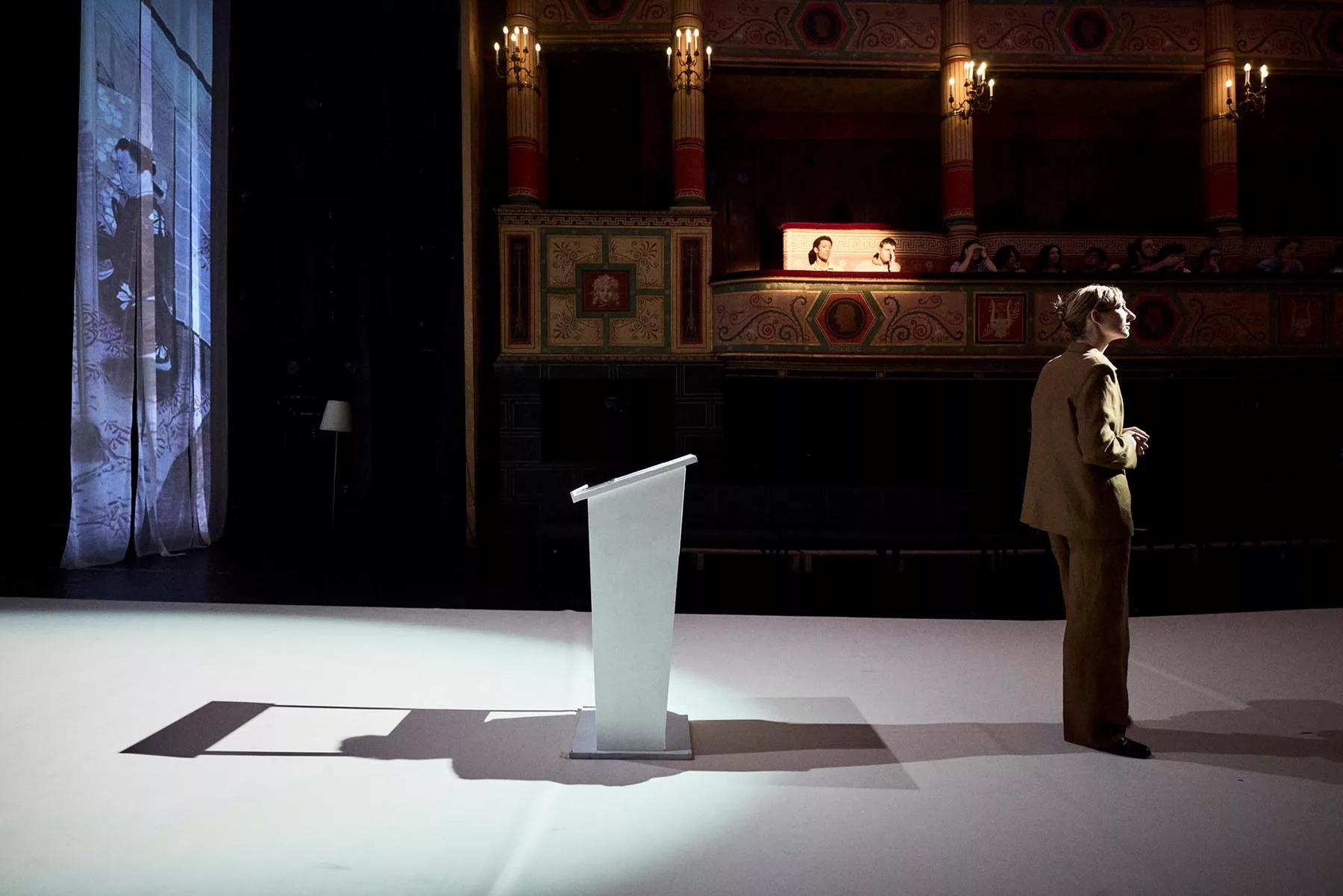
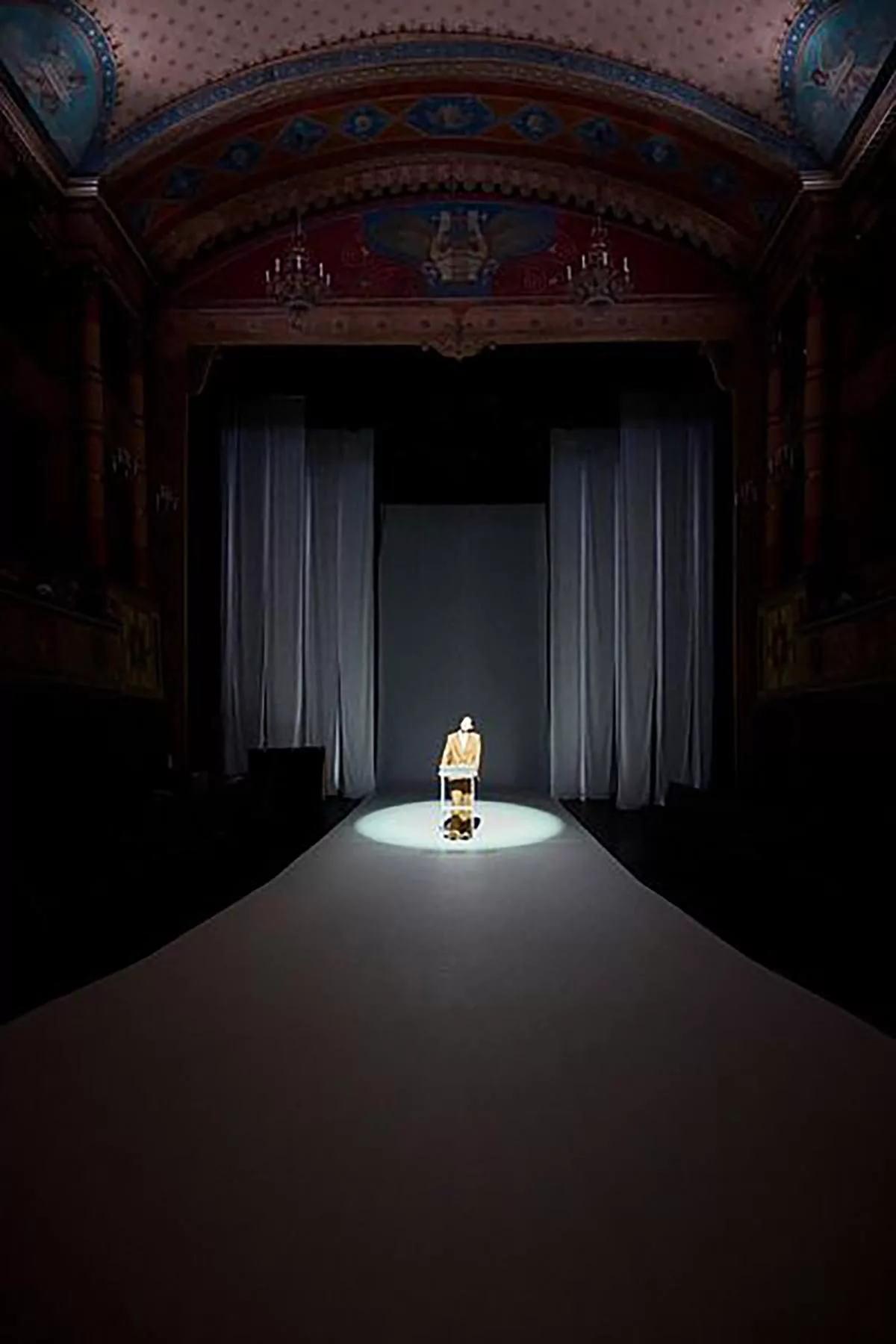
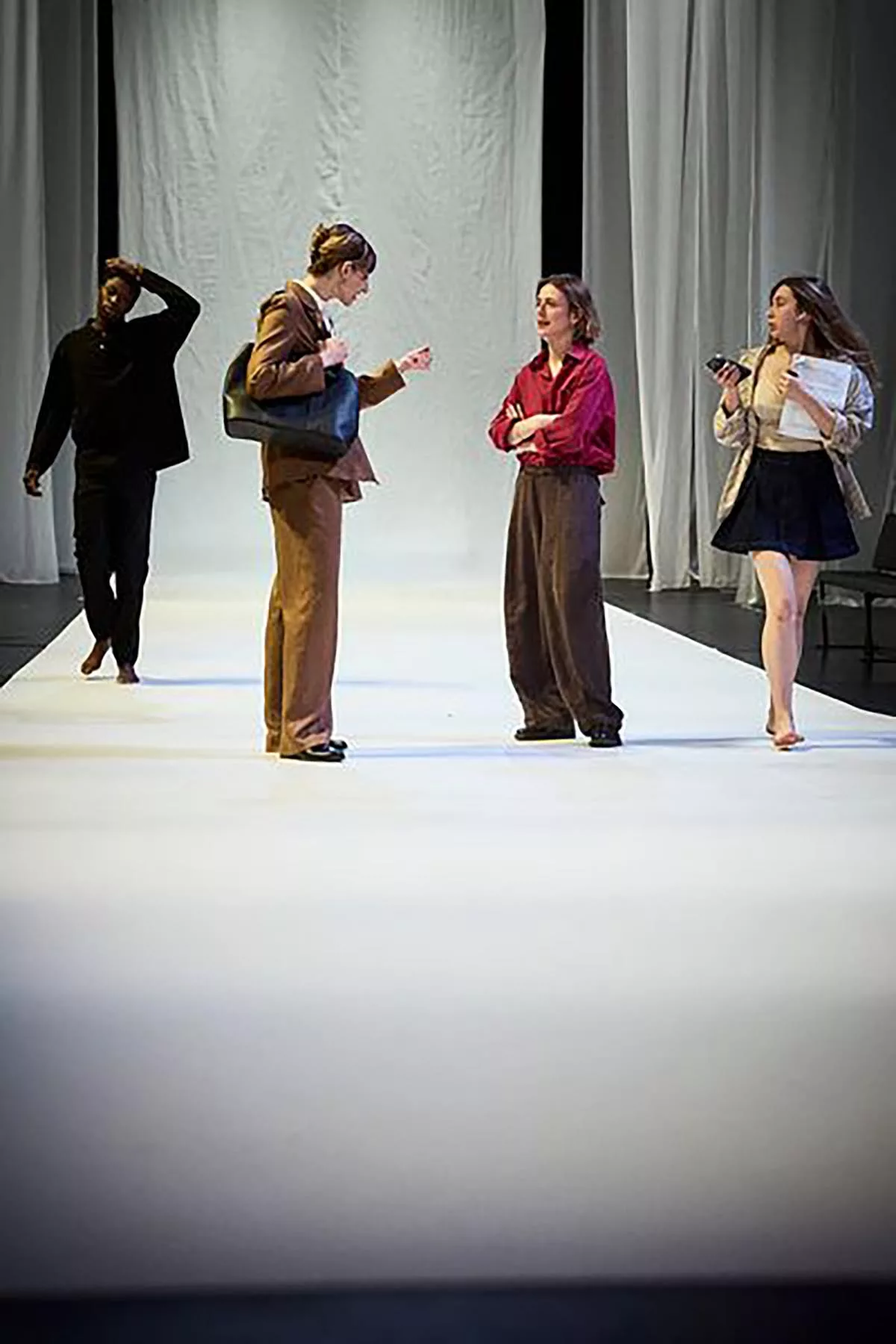
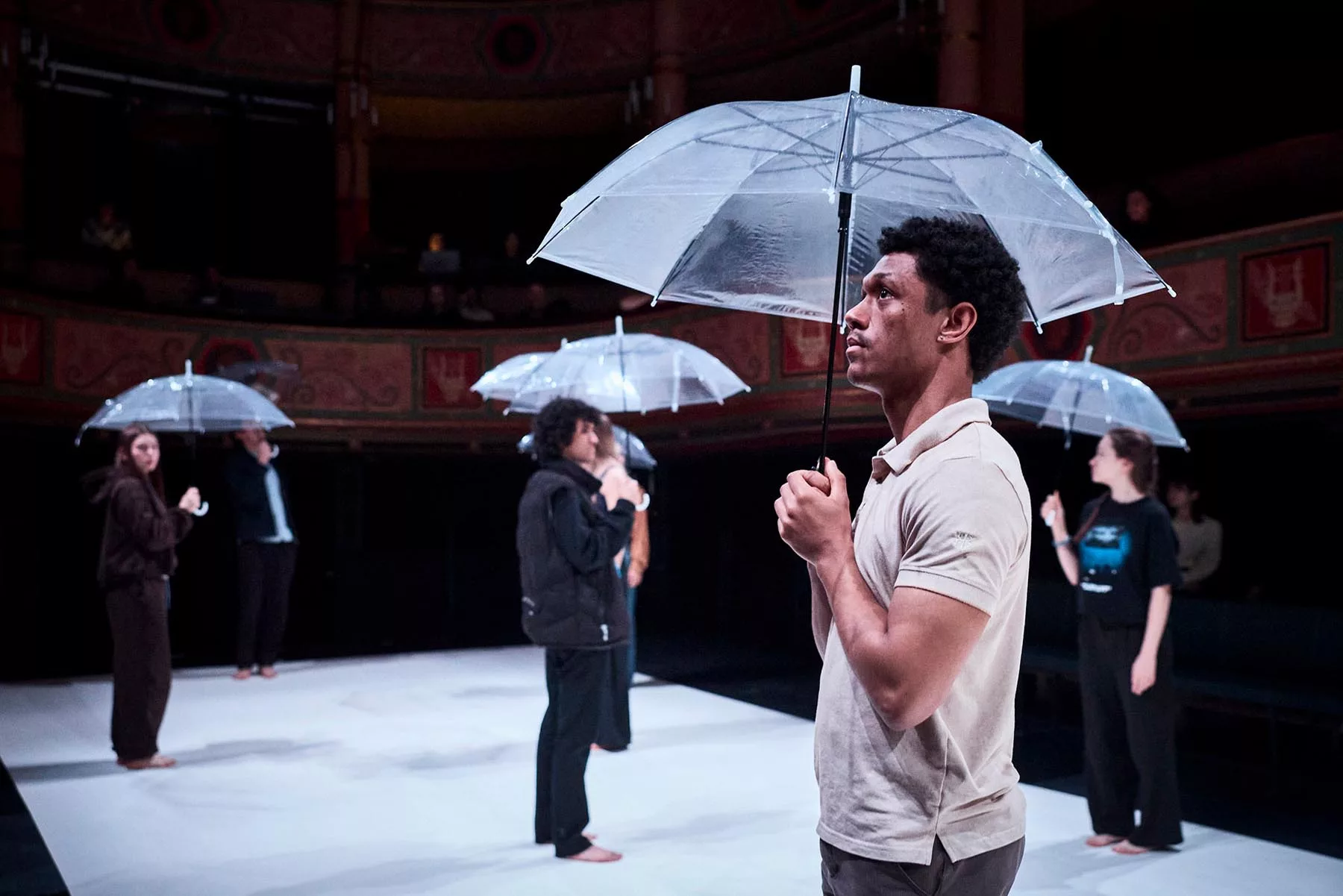
© Photo credits : Christophe Raynaud de Lage
A FIRST RESIDENCY IN JAPAN
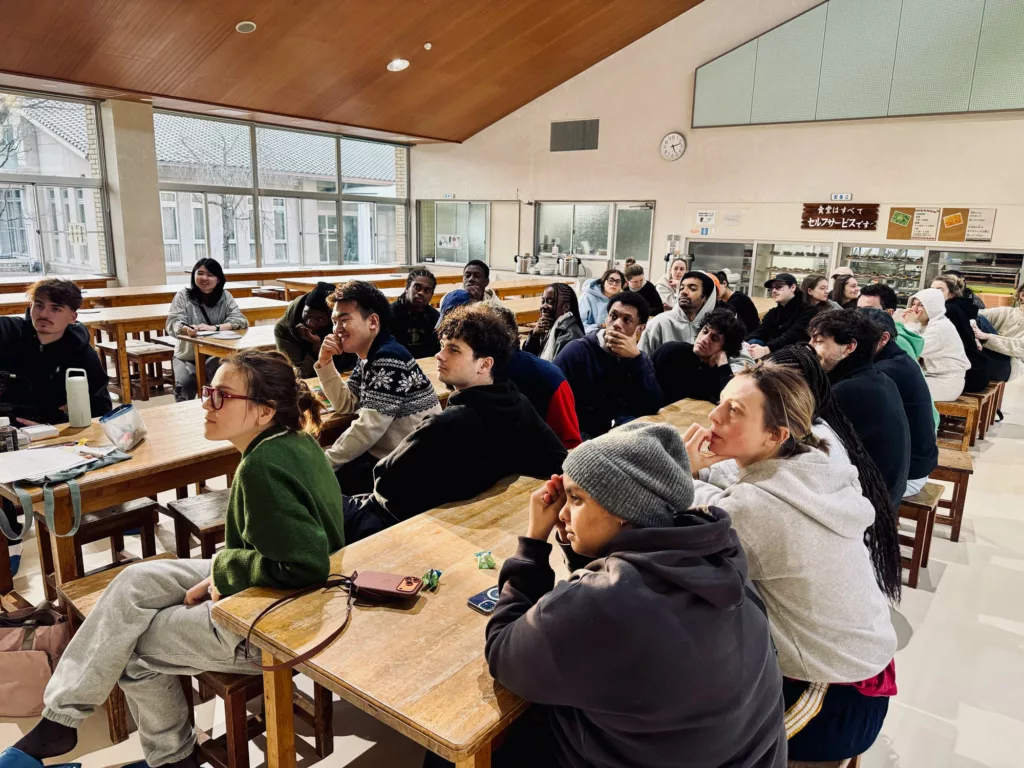
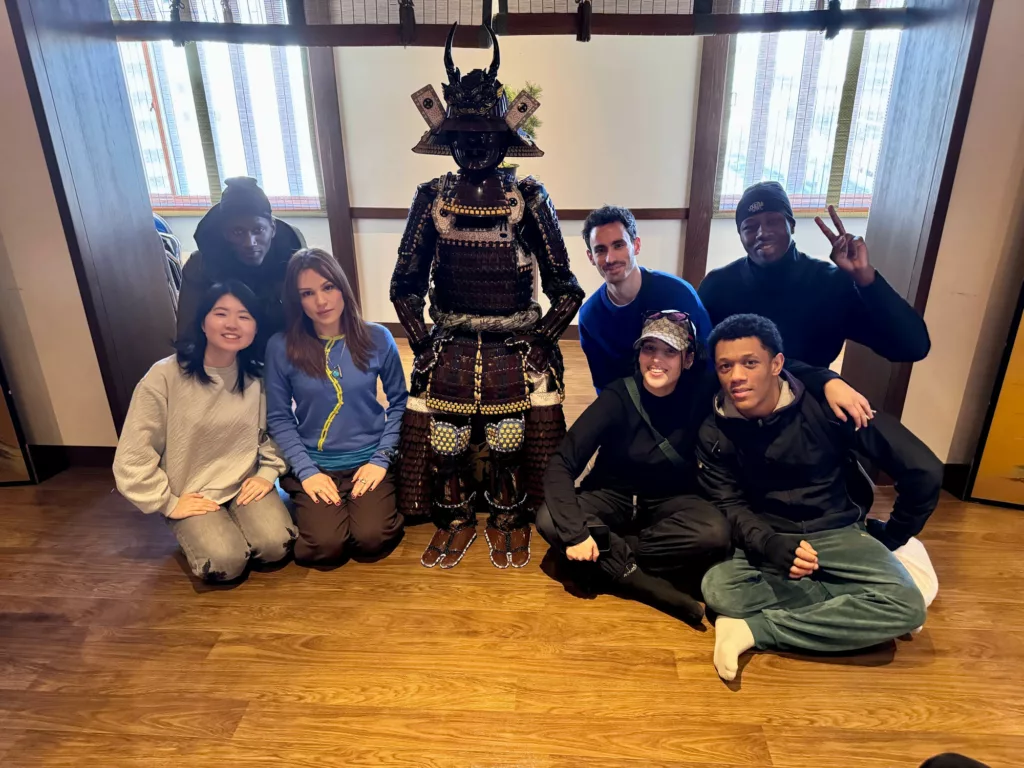
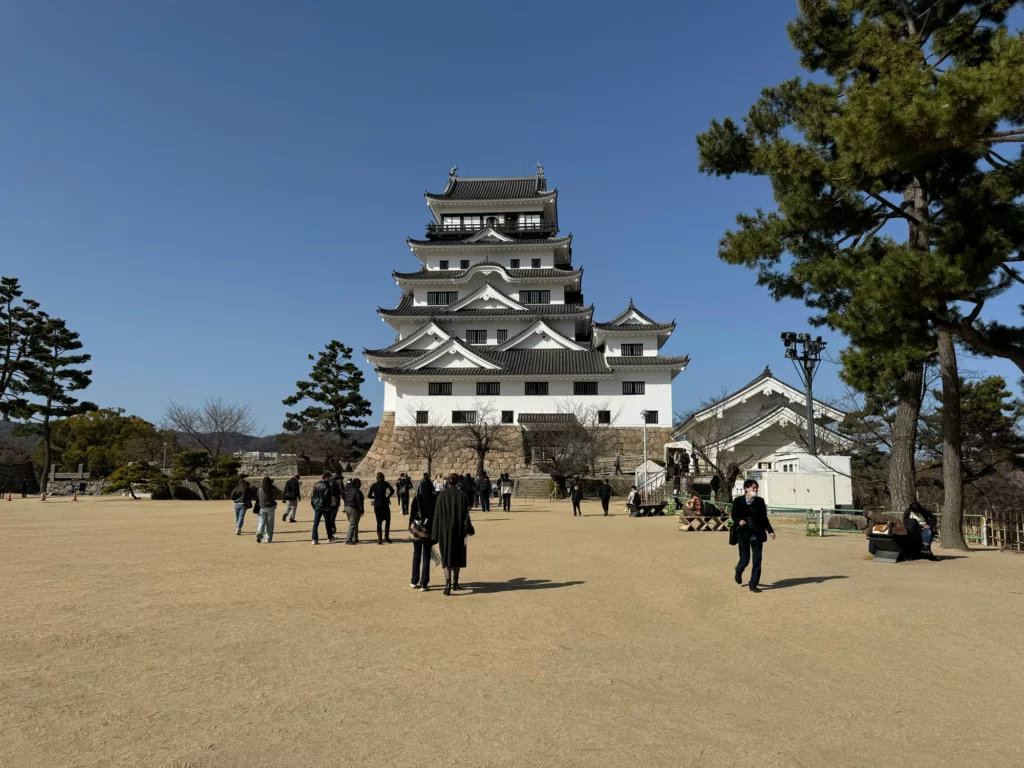
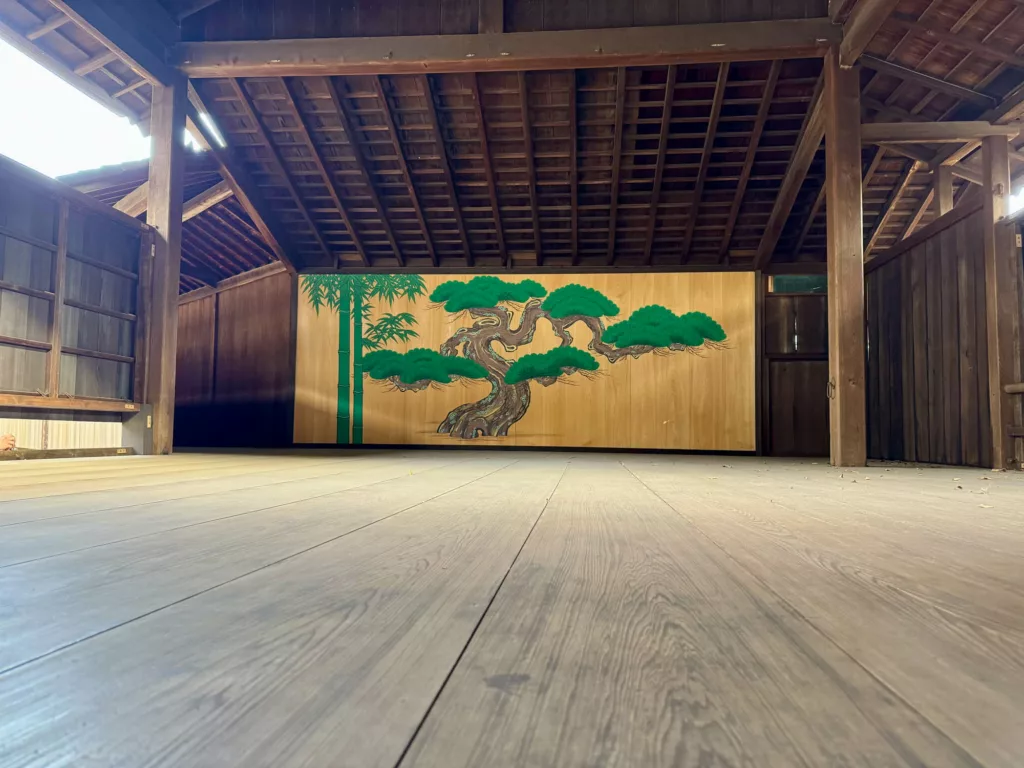
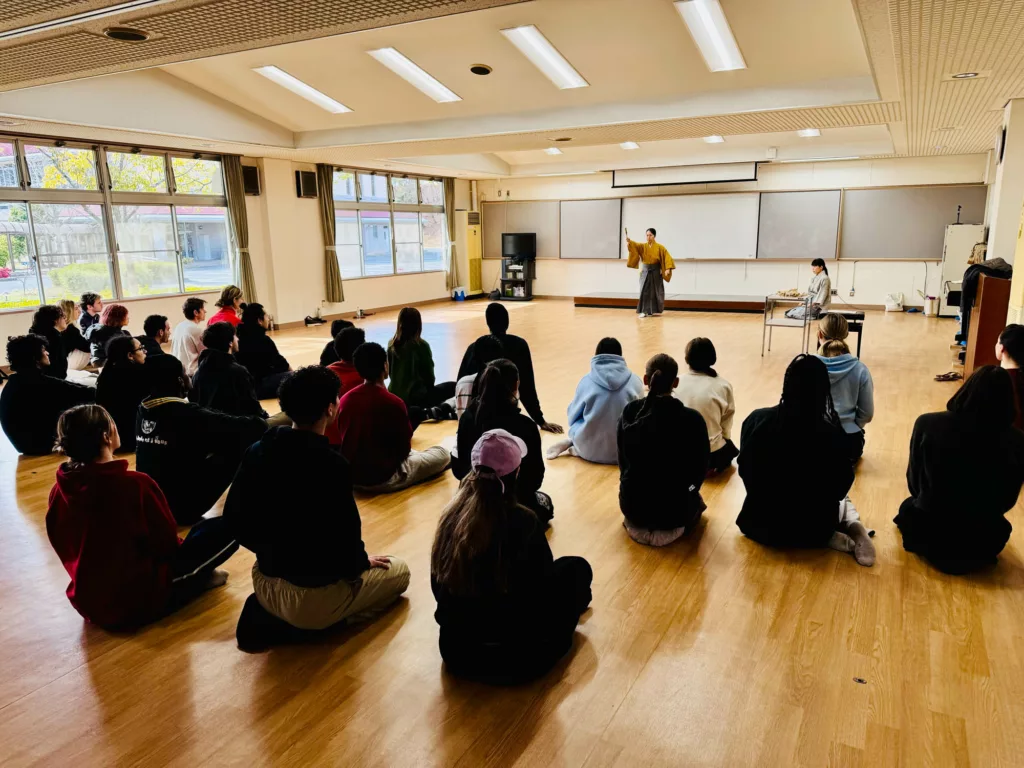
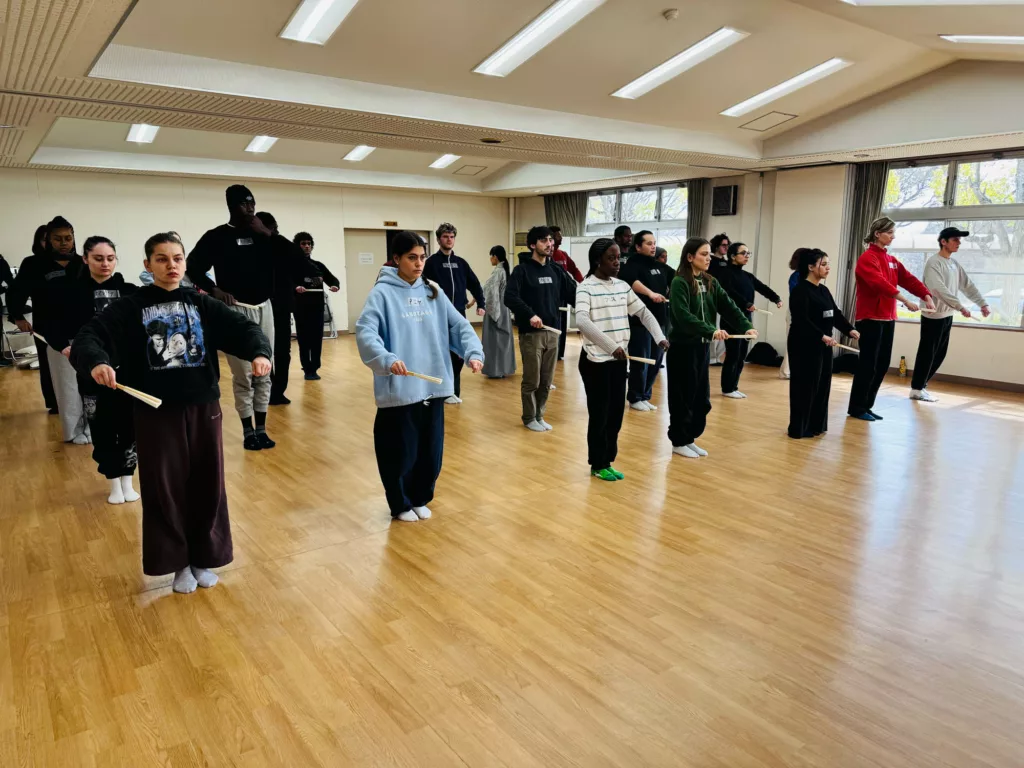
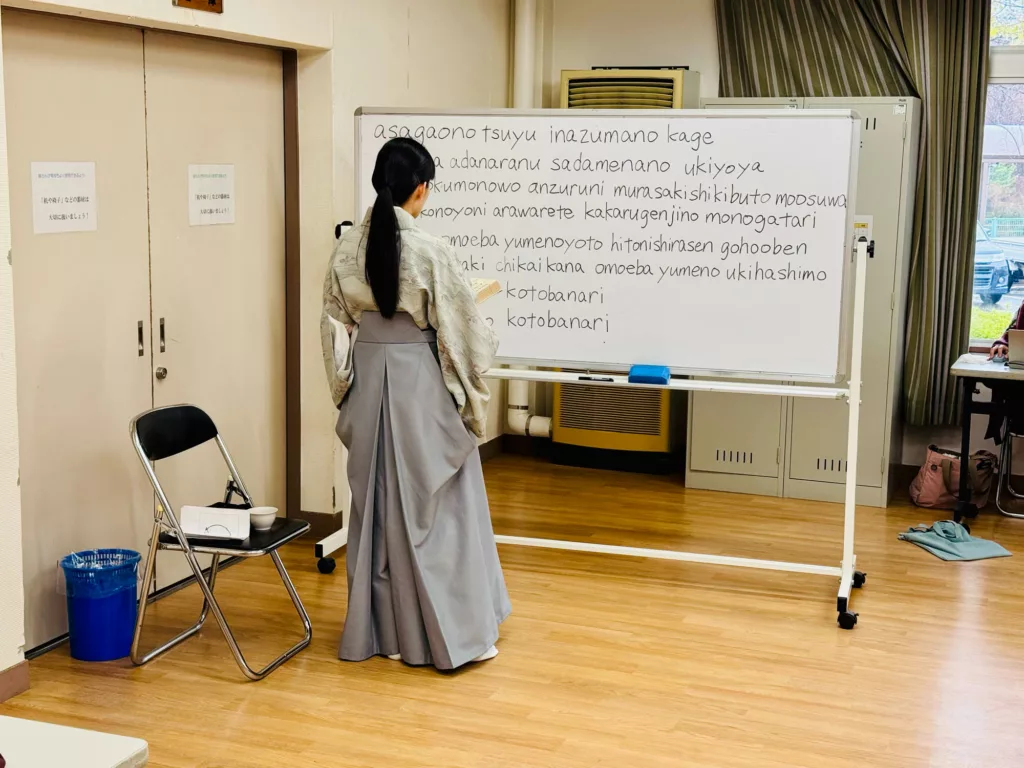
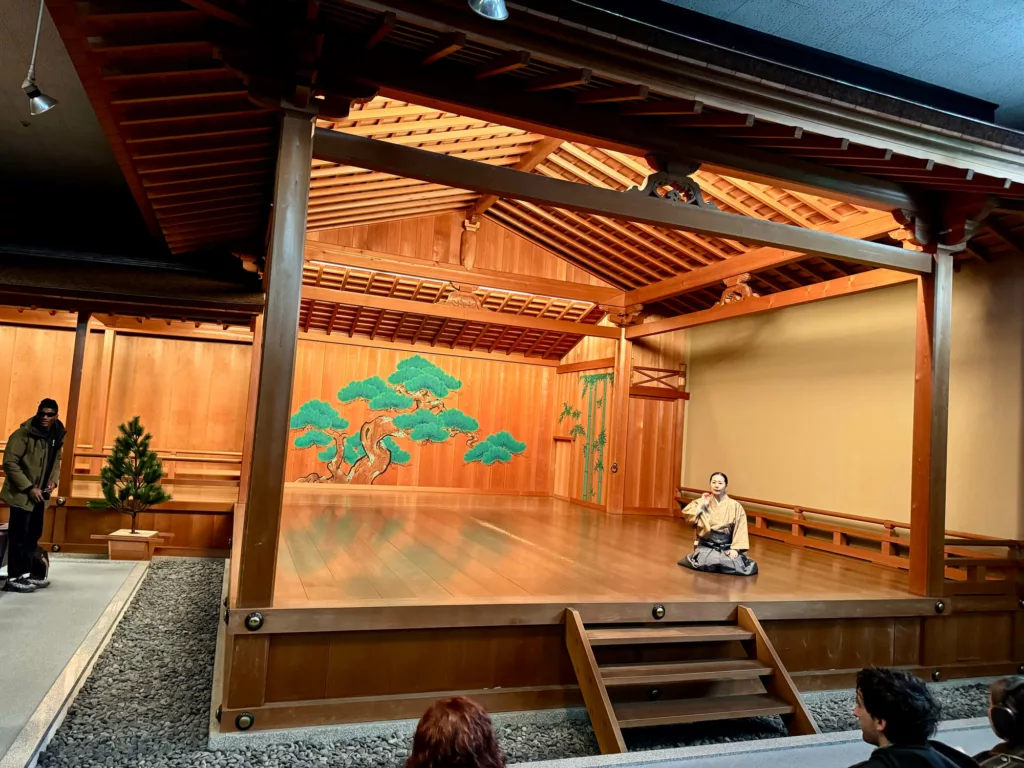
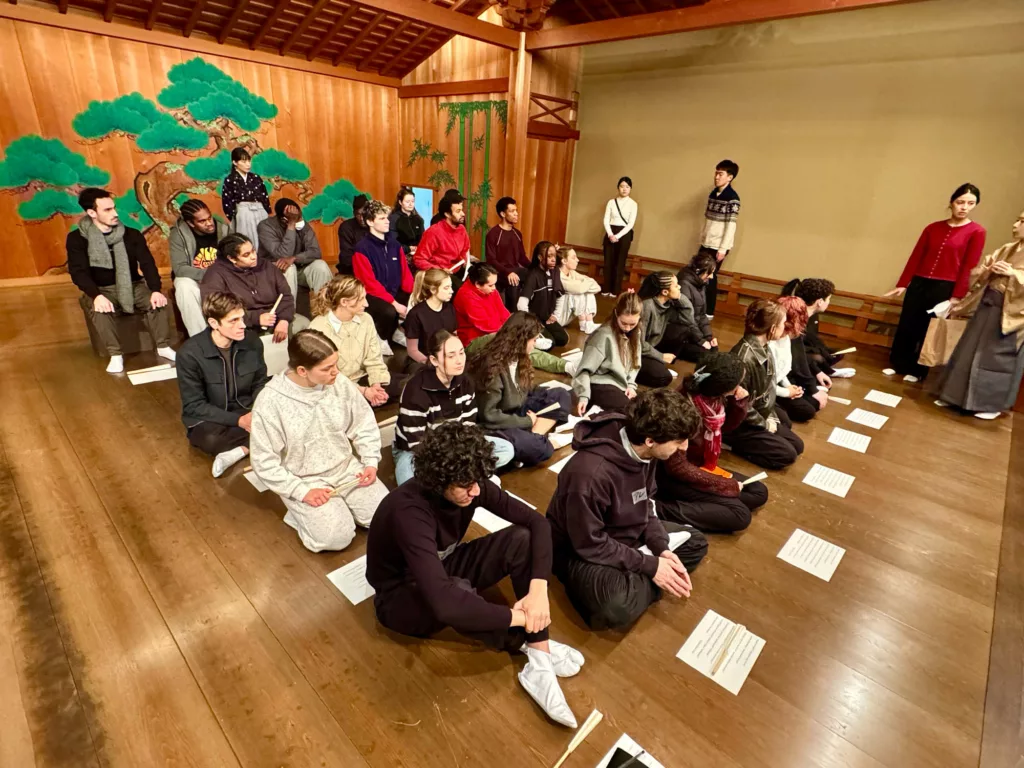
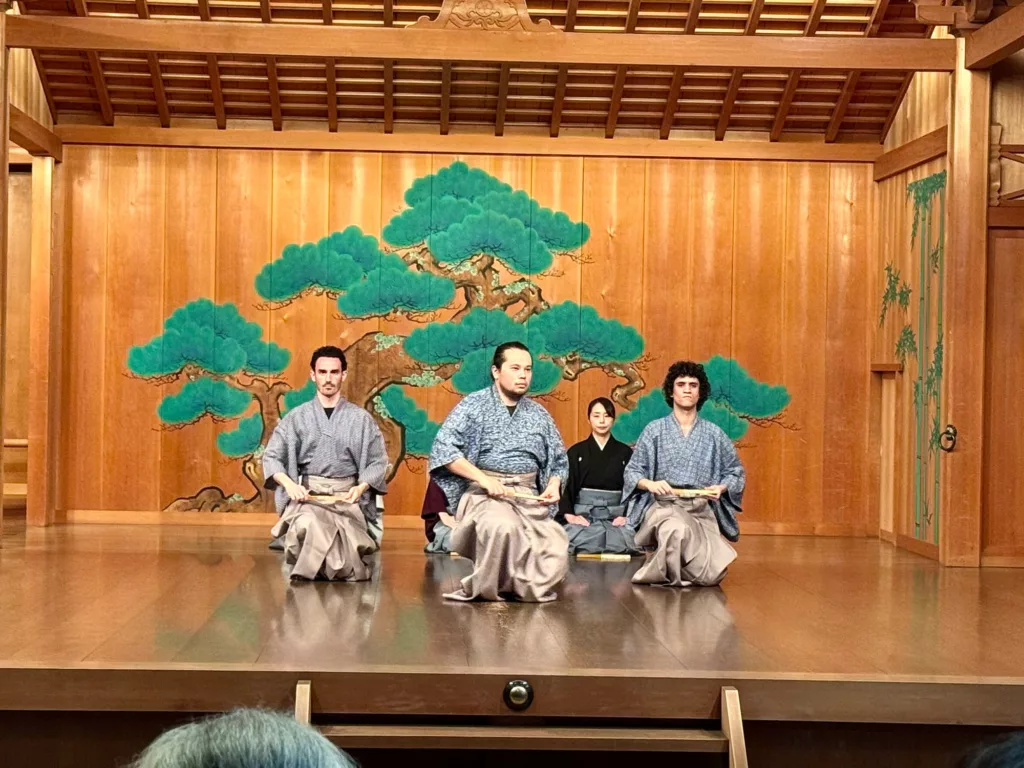
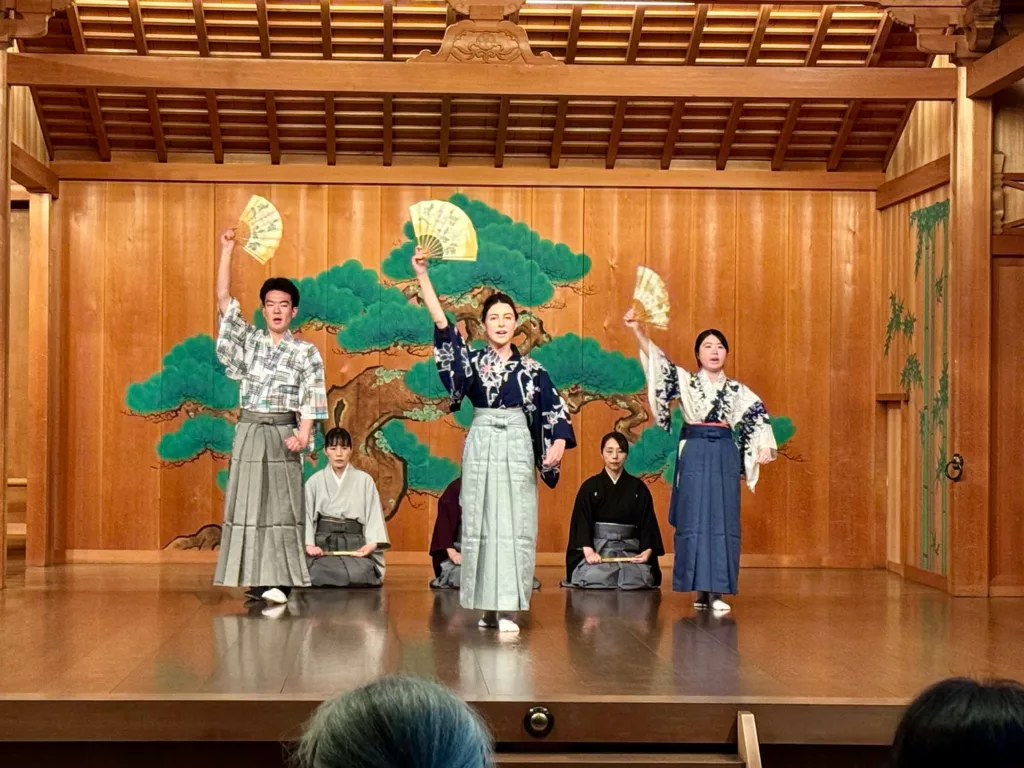
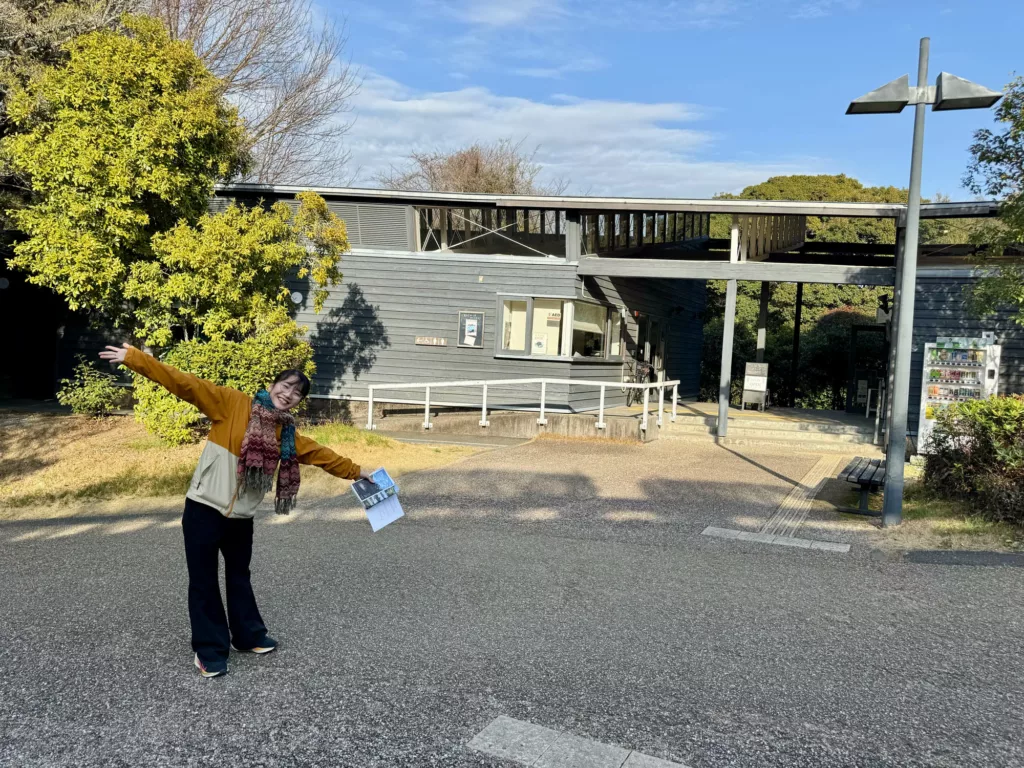
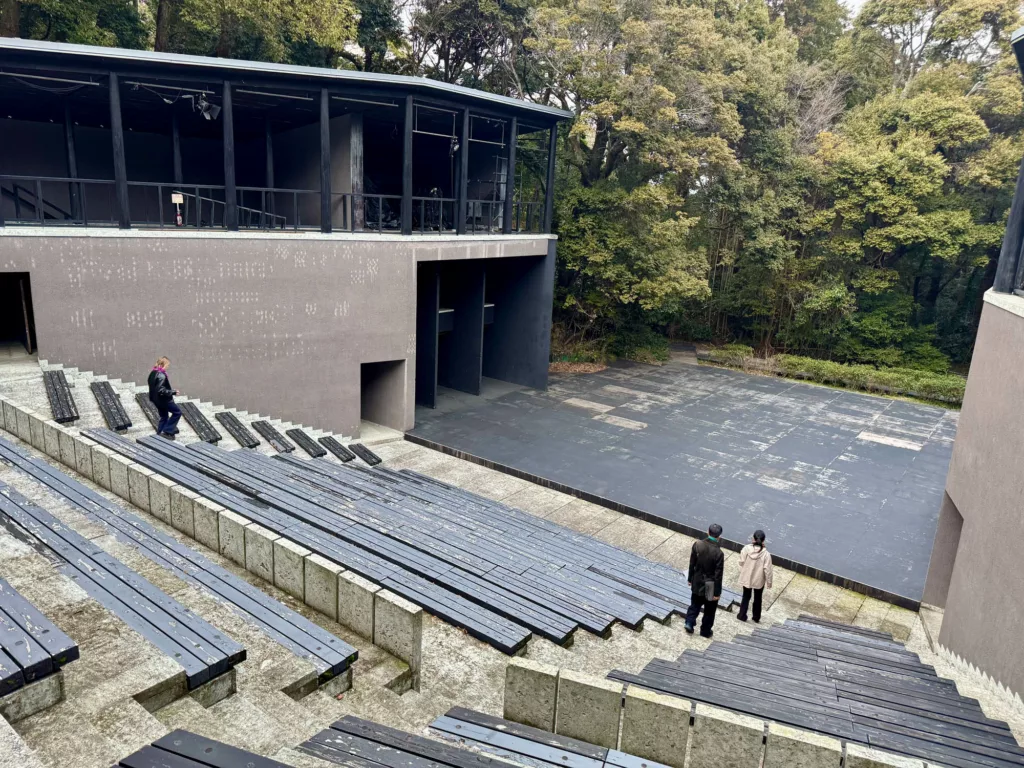
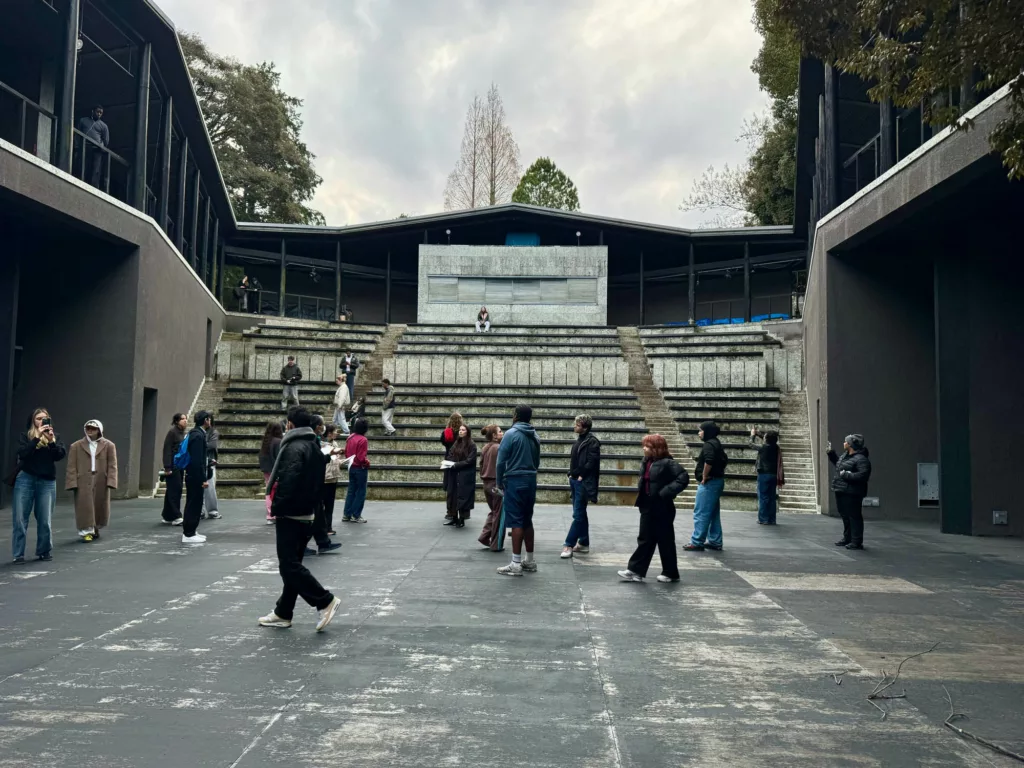
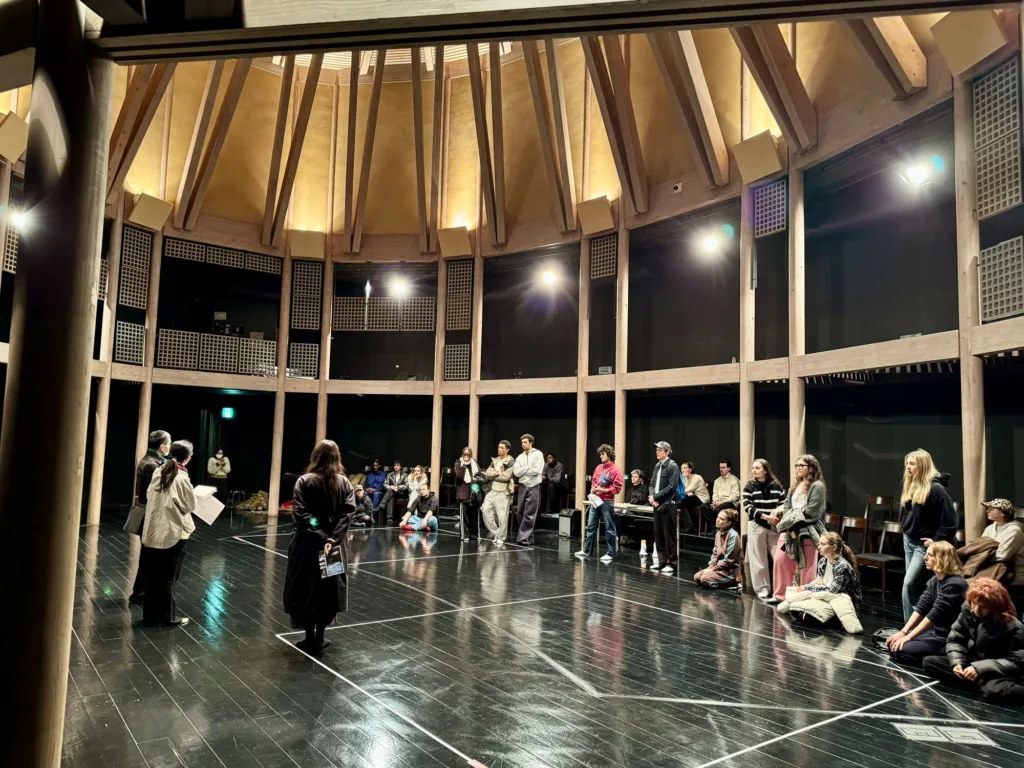
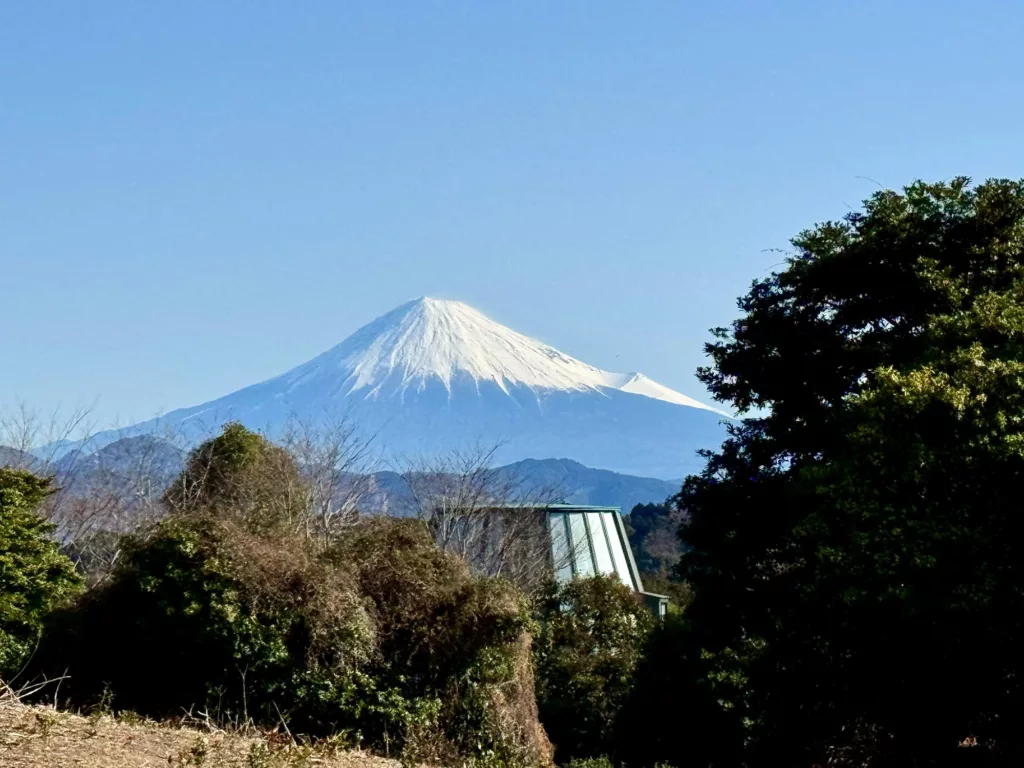
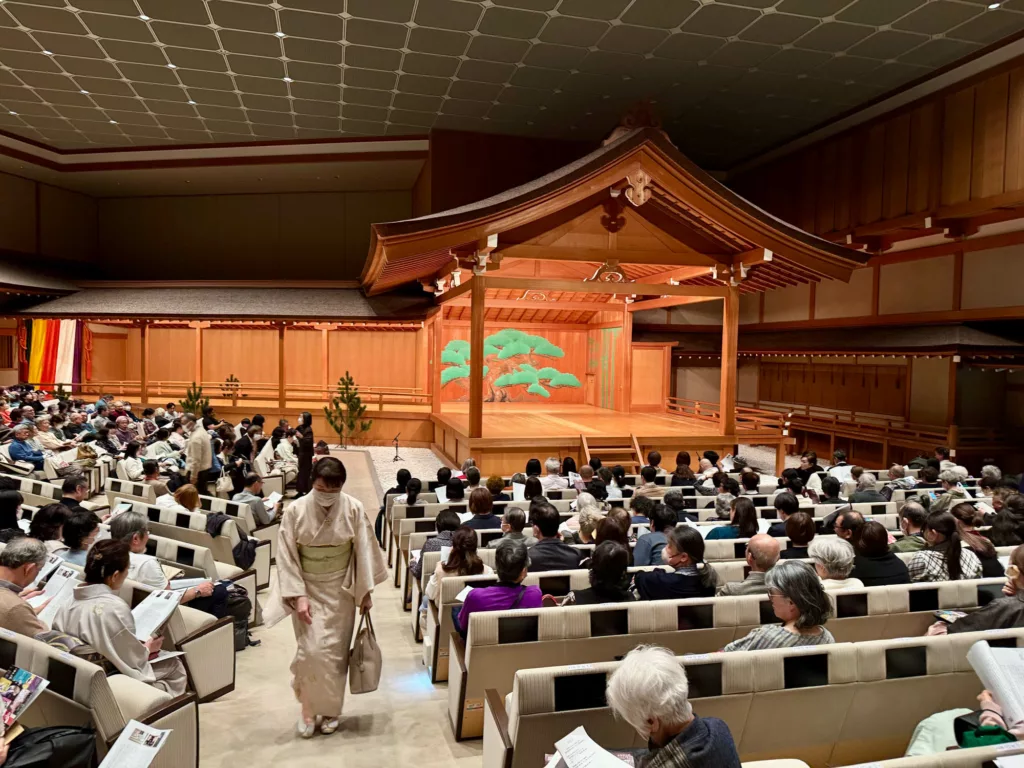
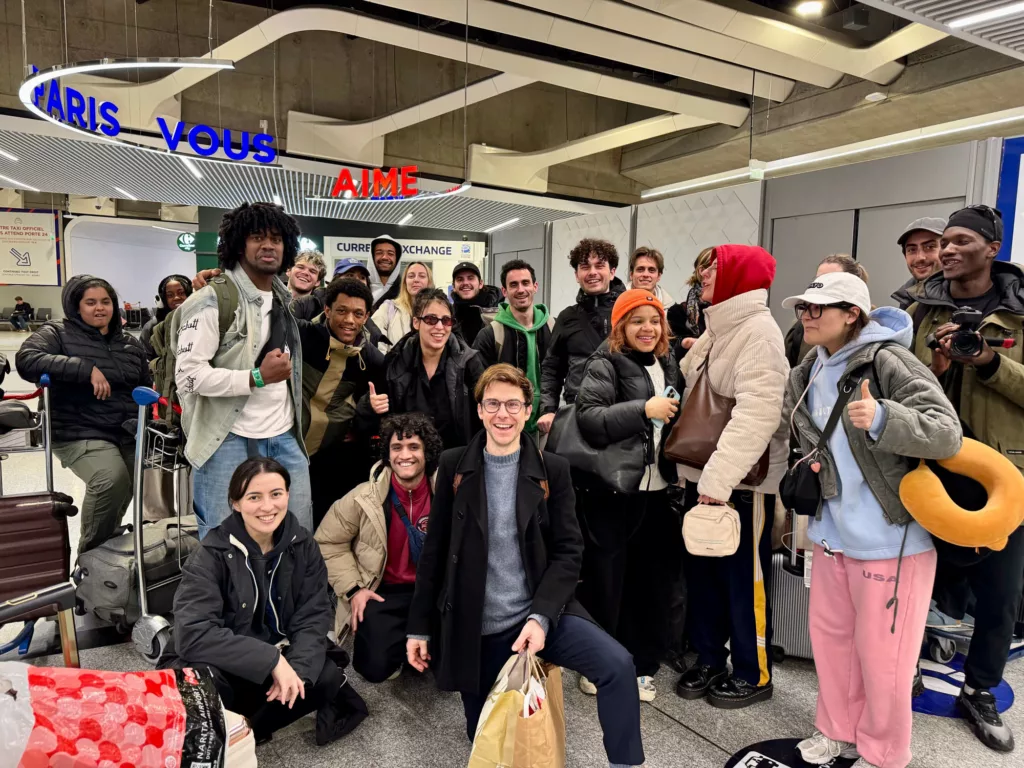
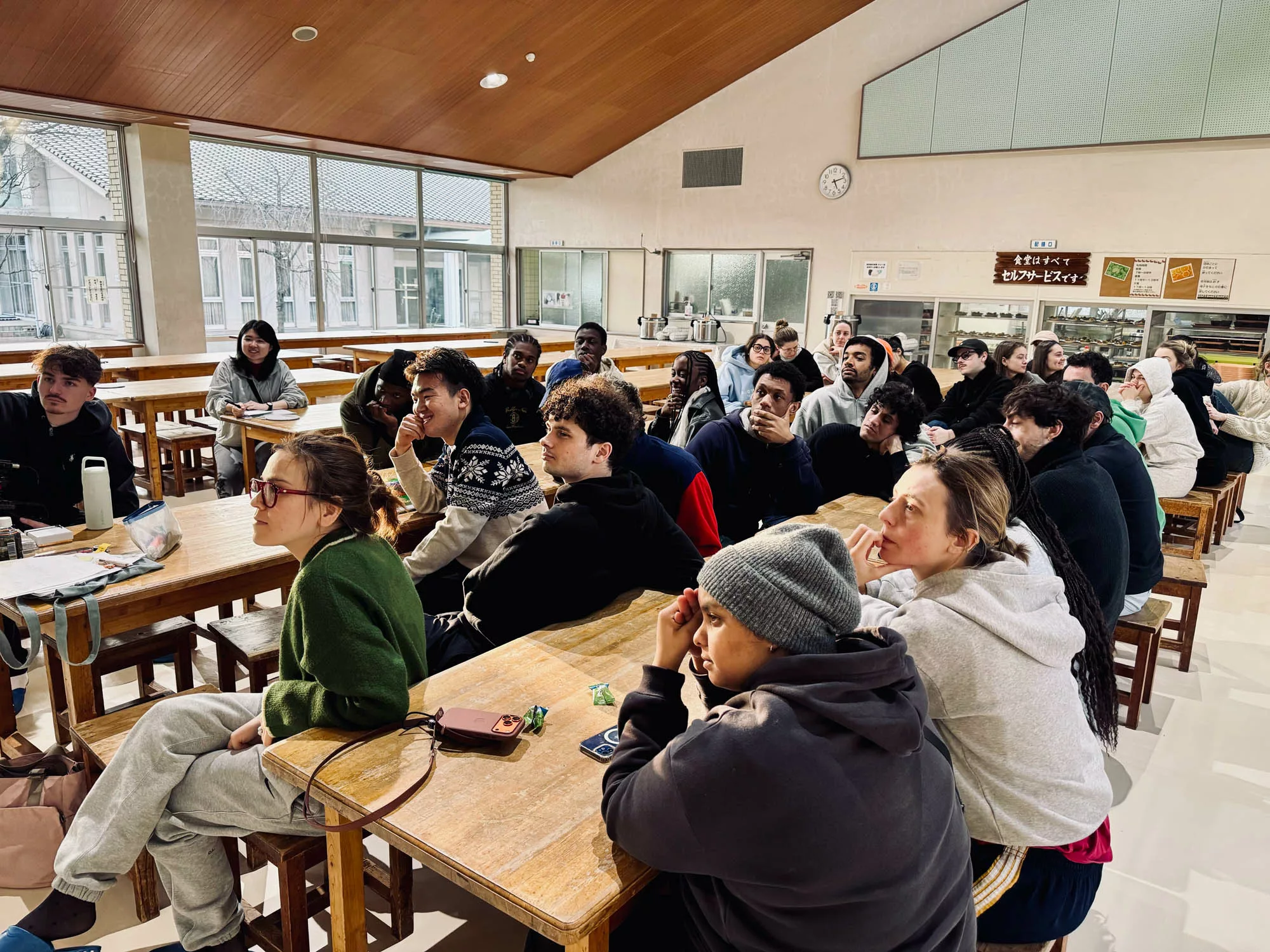
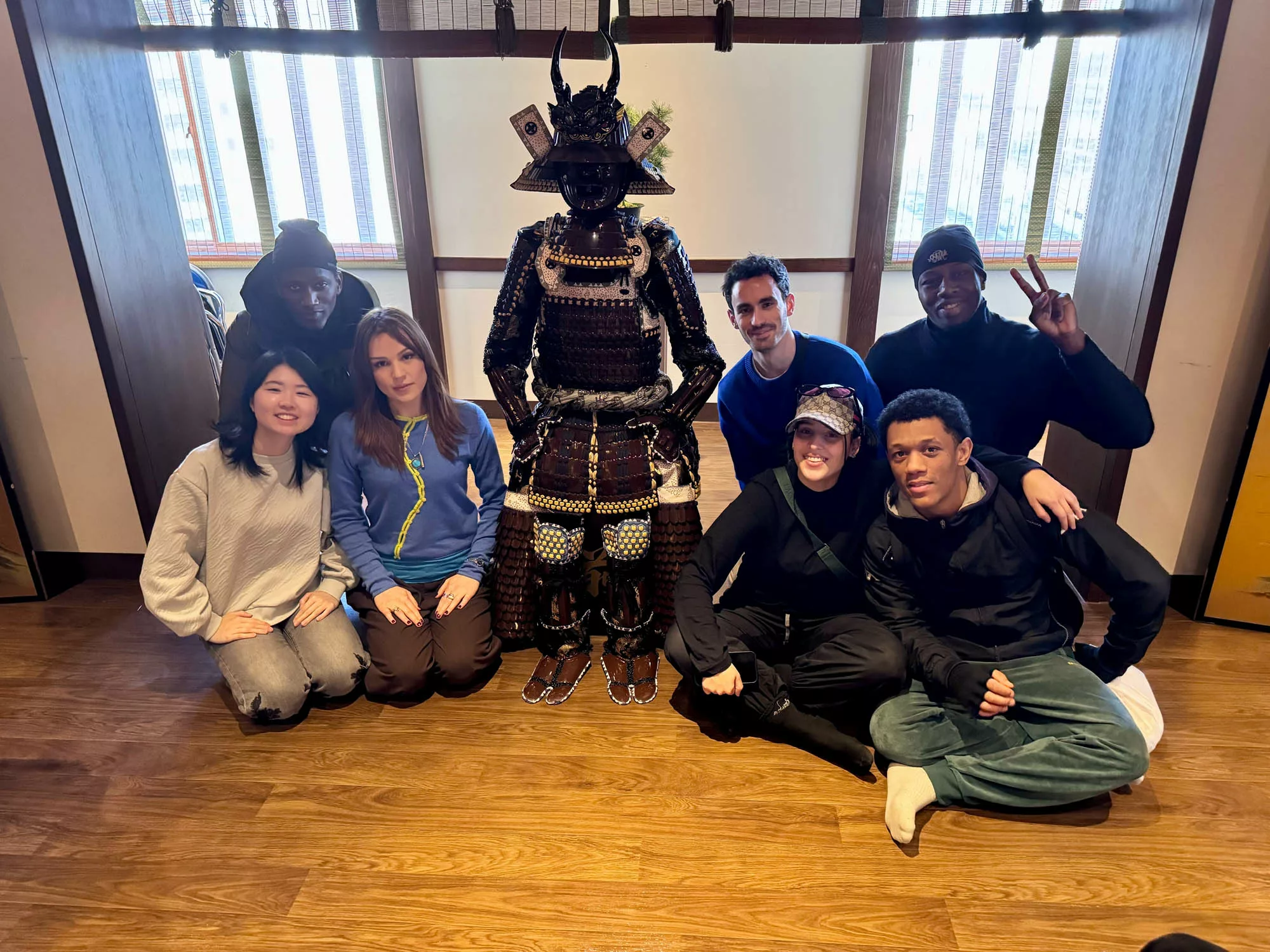
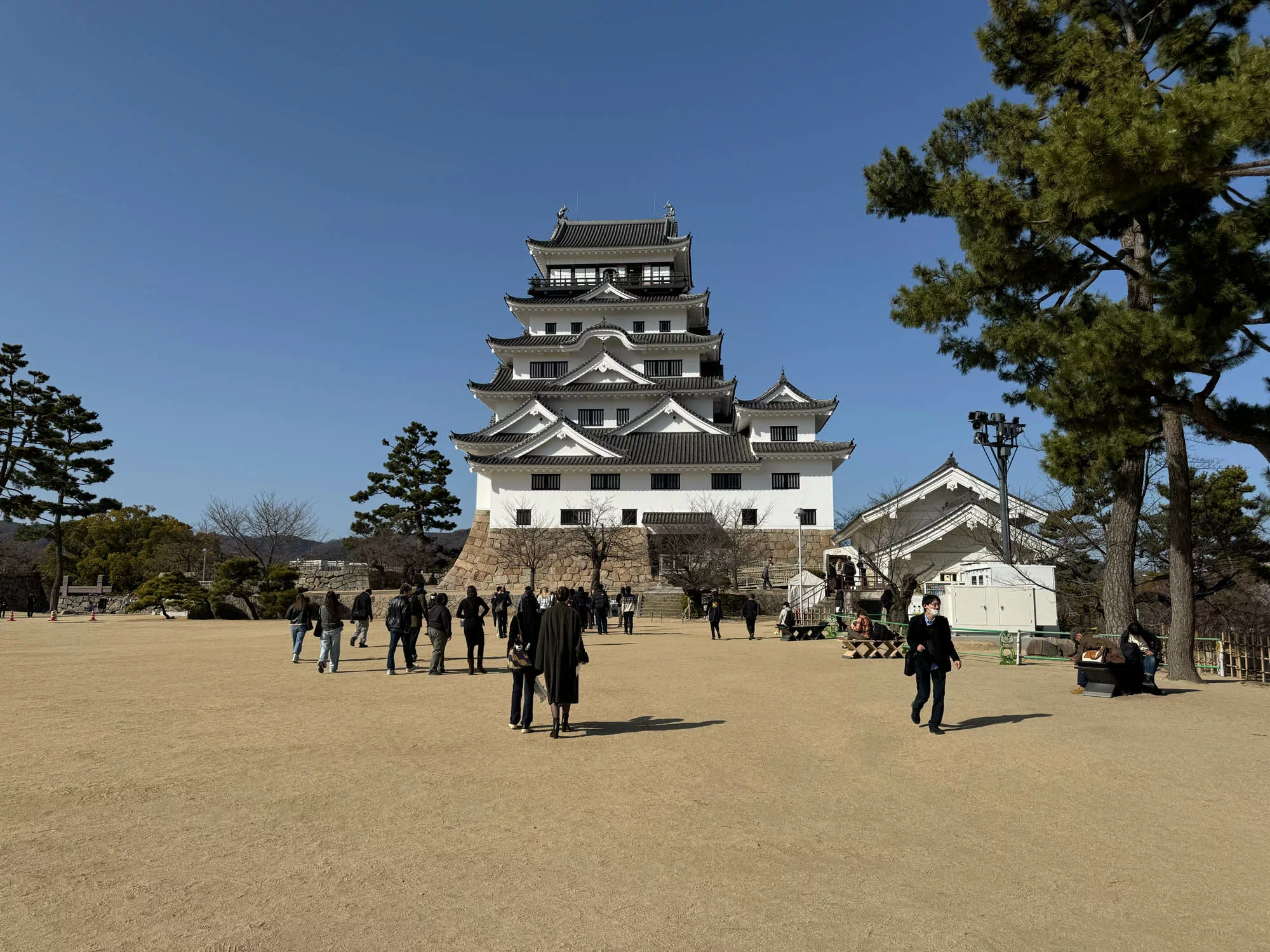
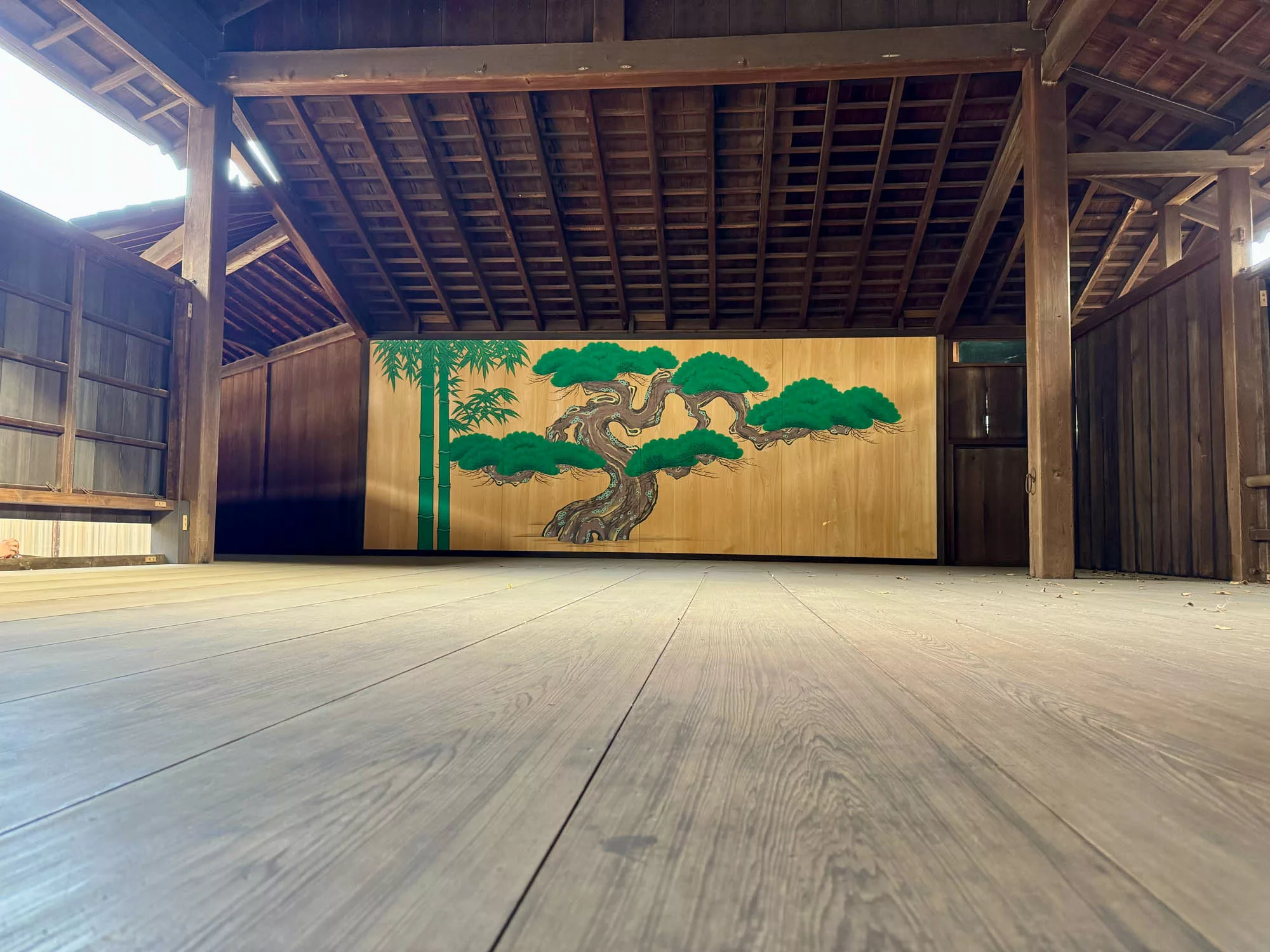
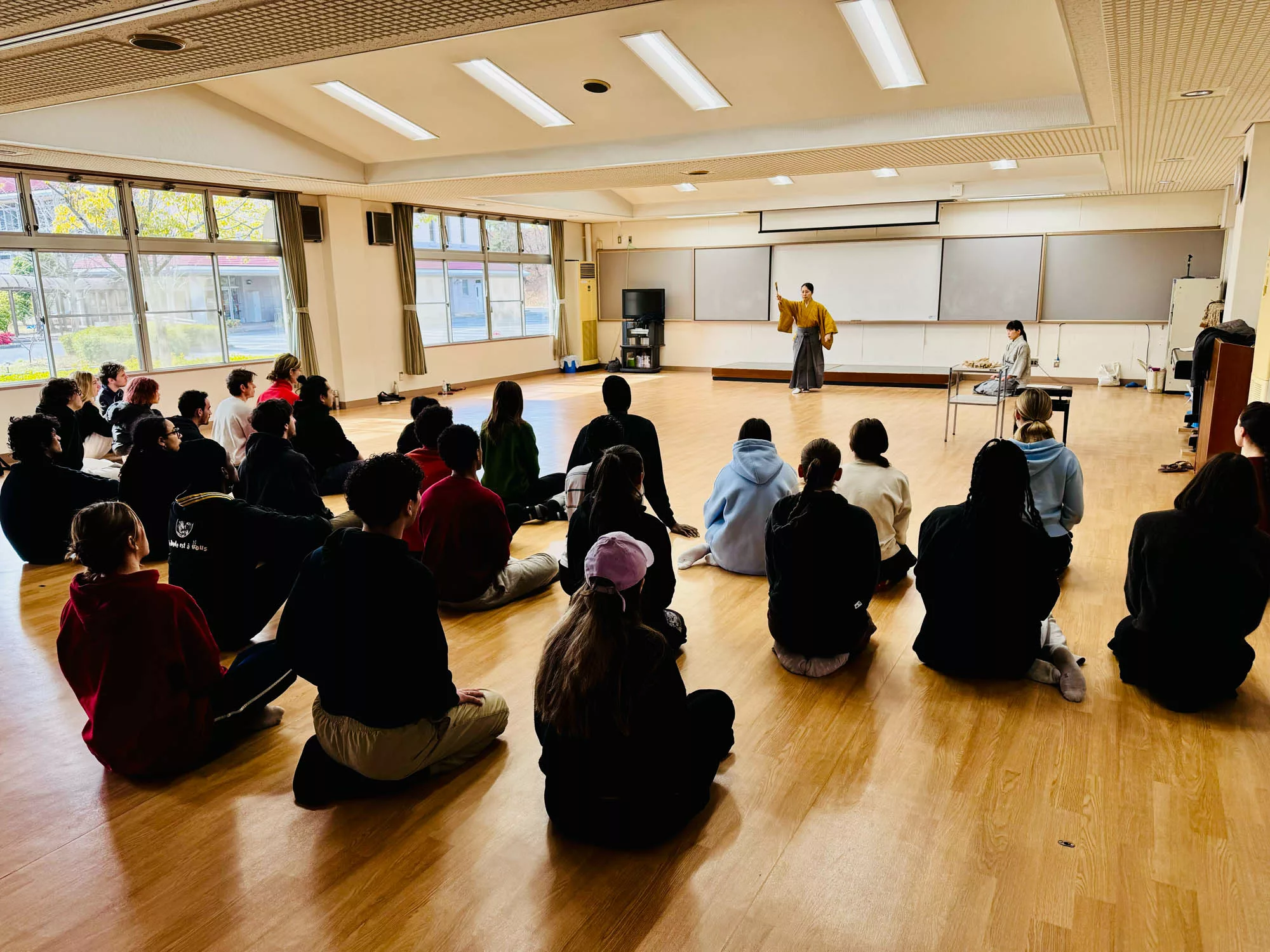
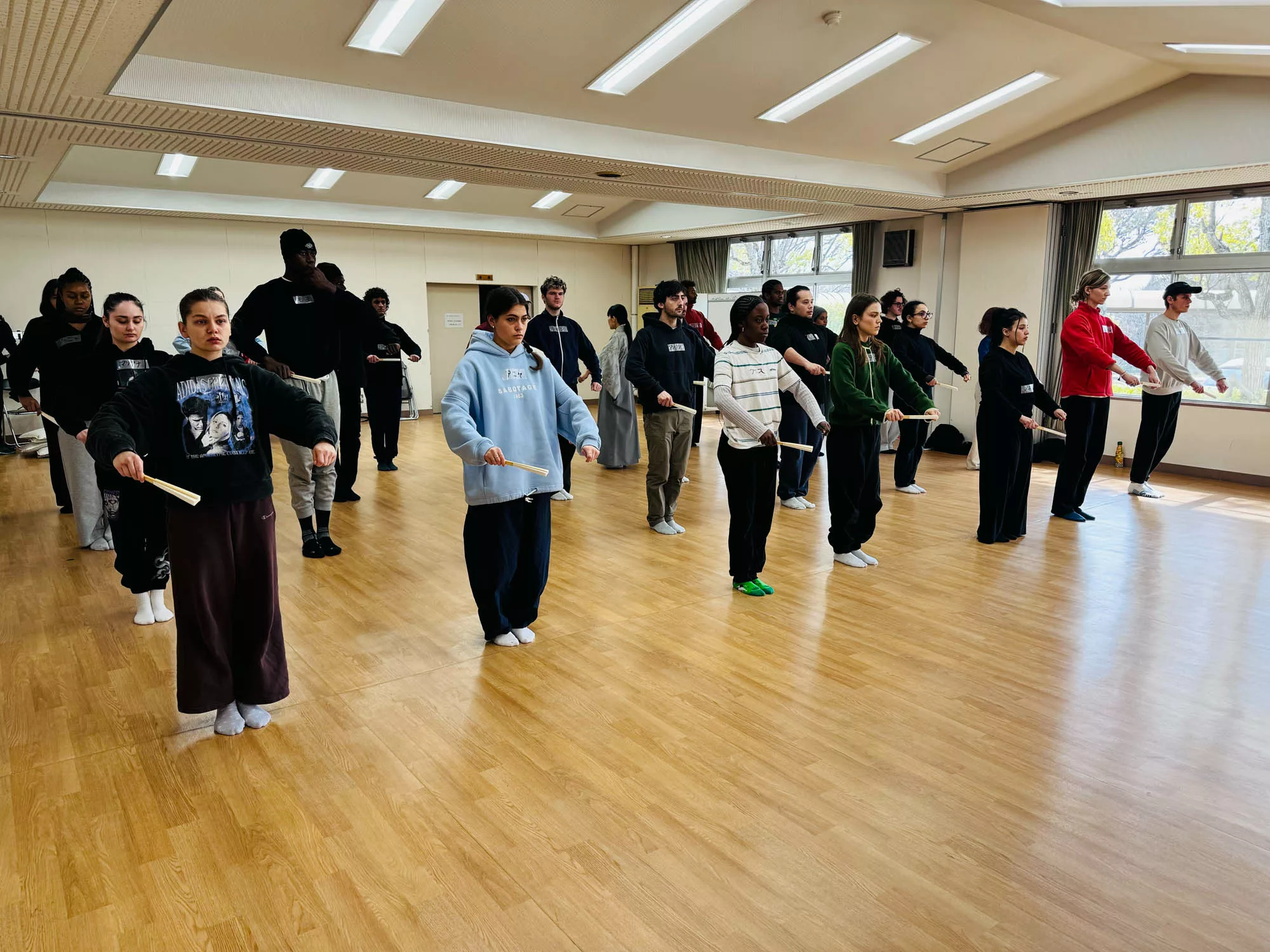
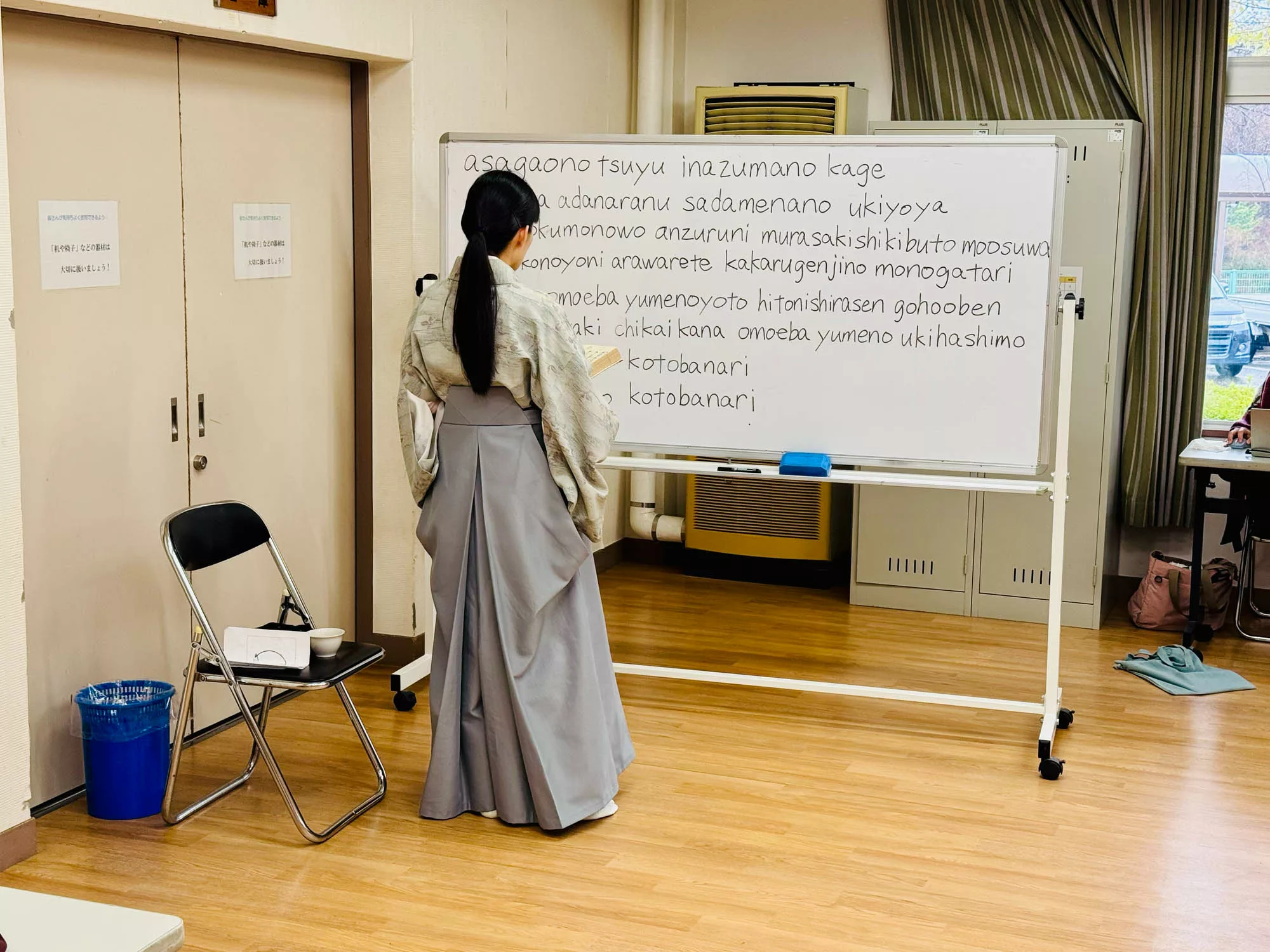
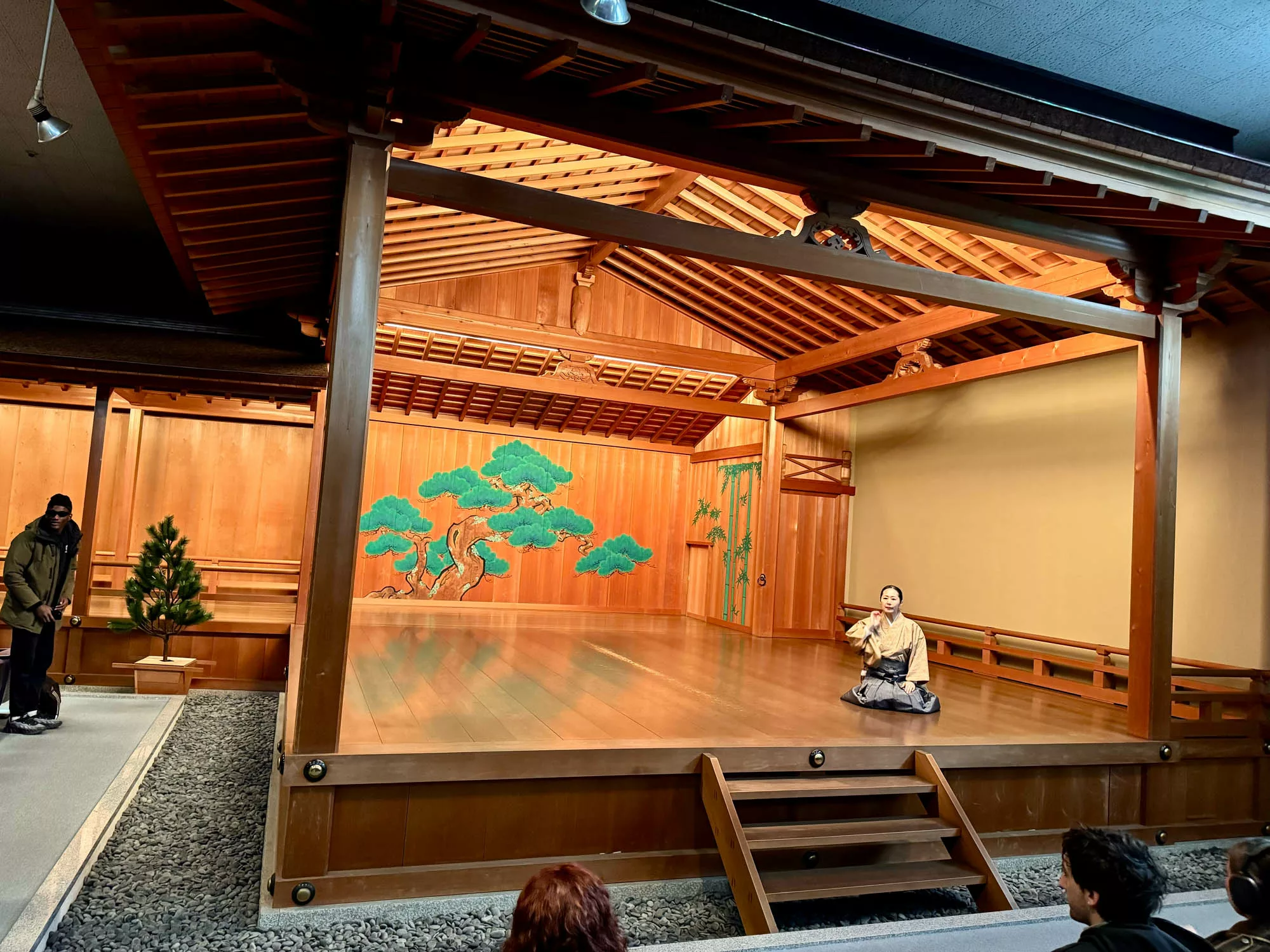
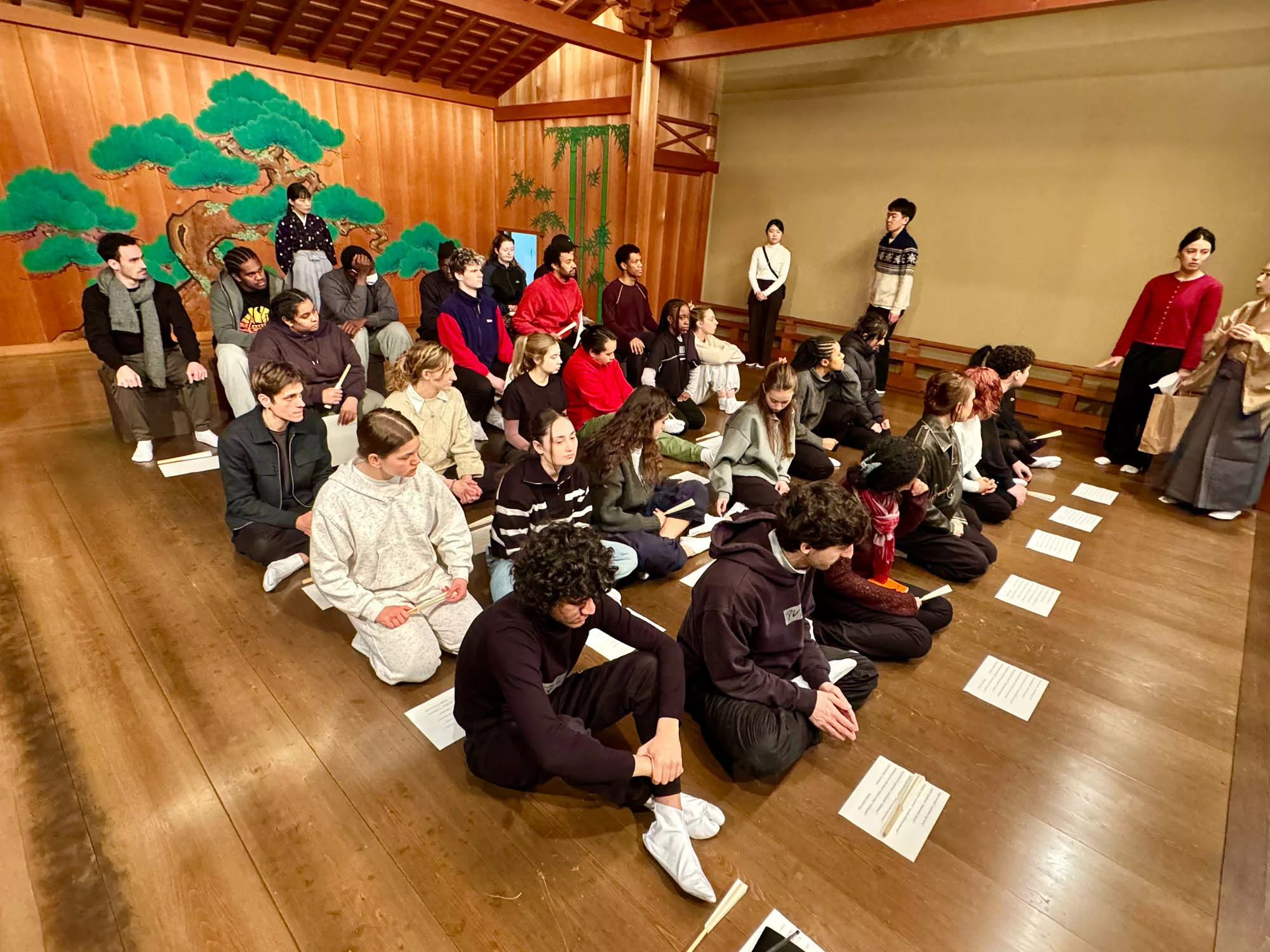
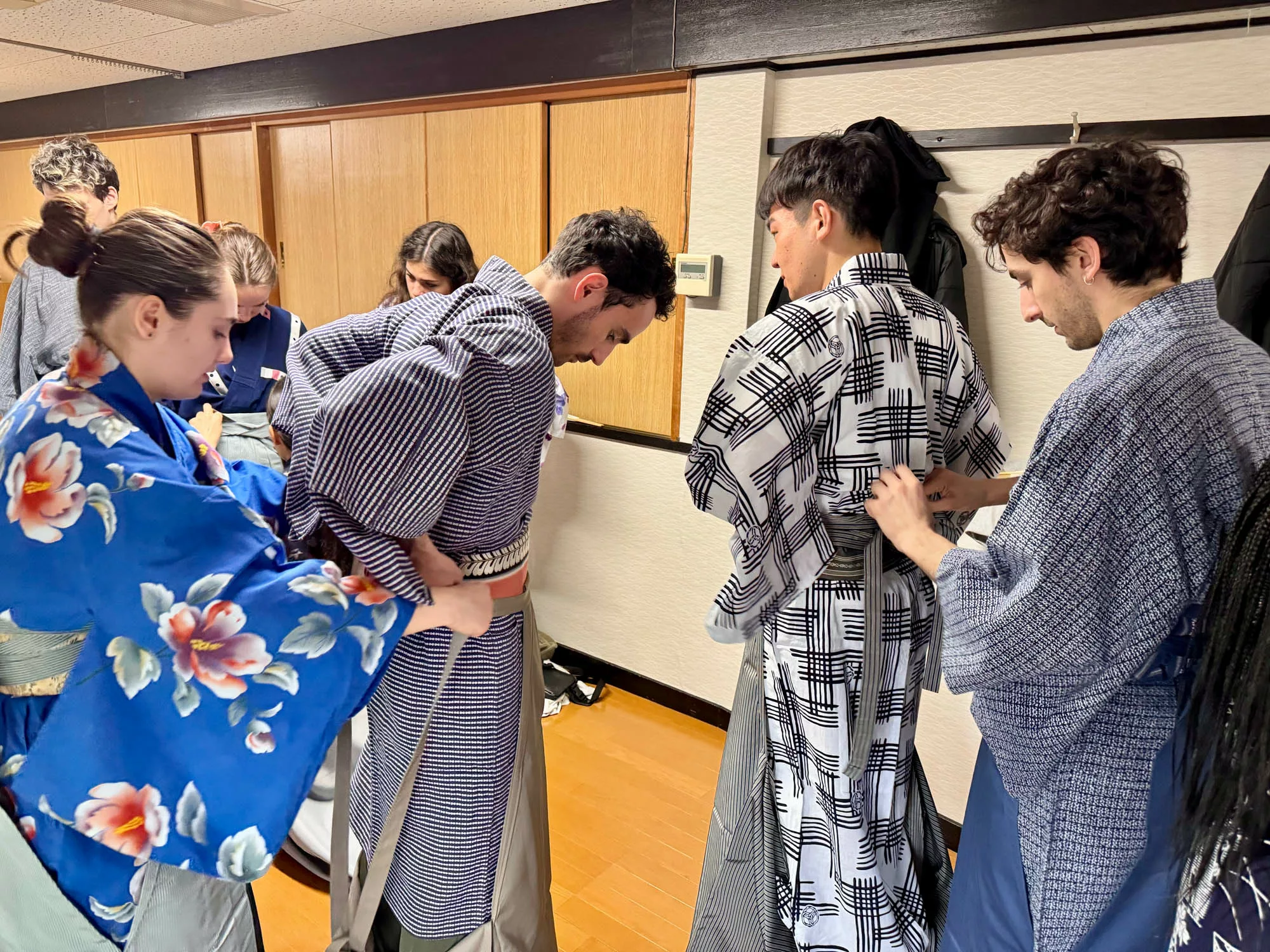
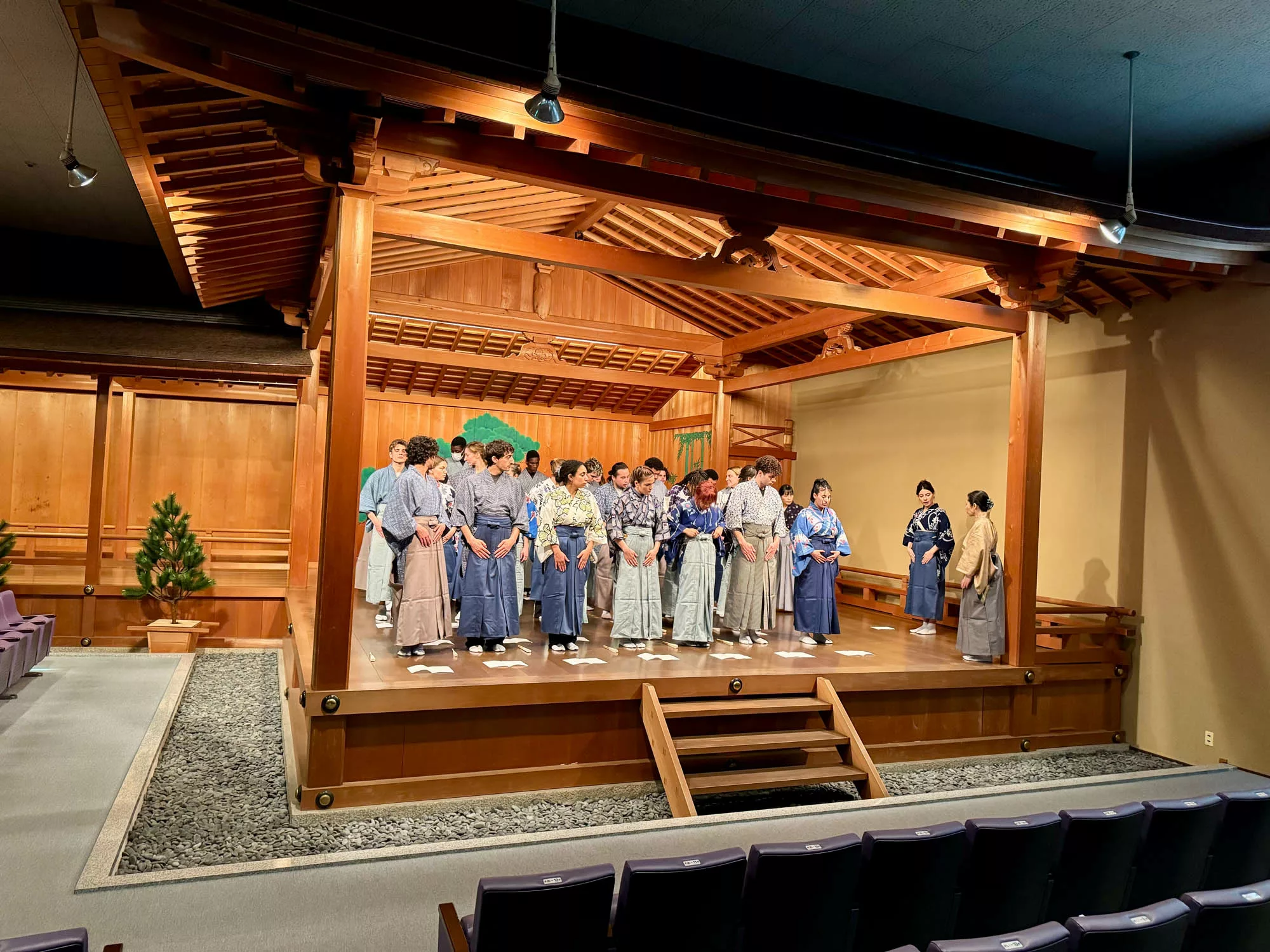
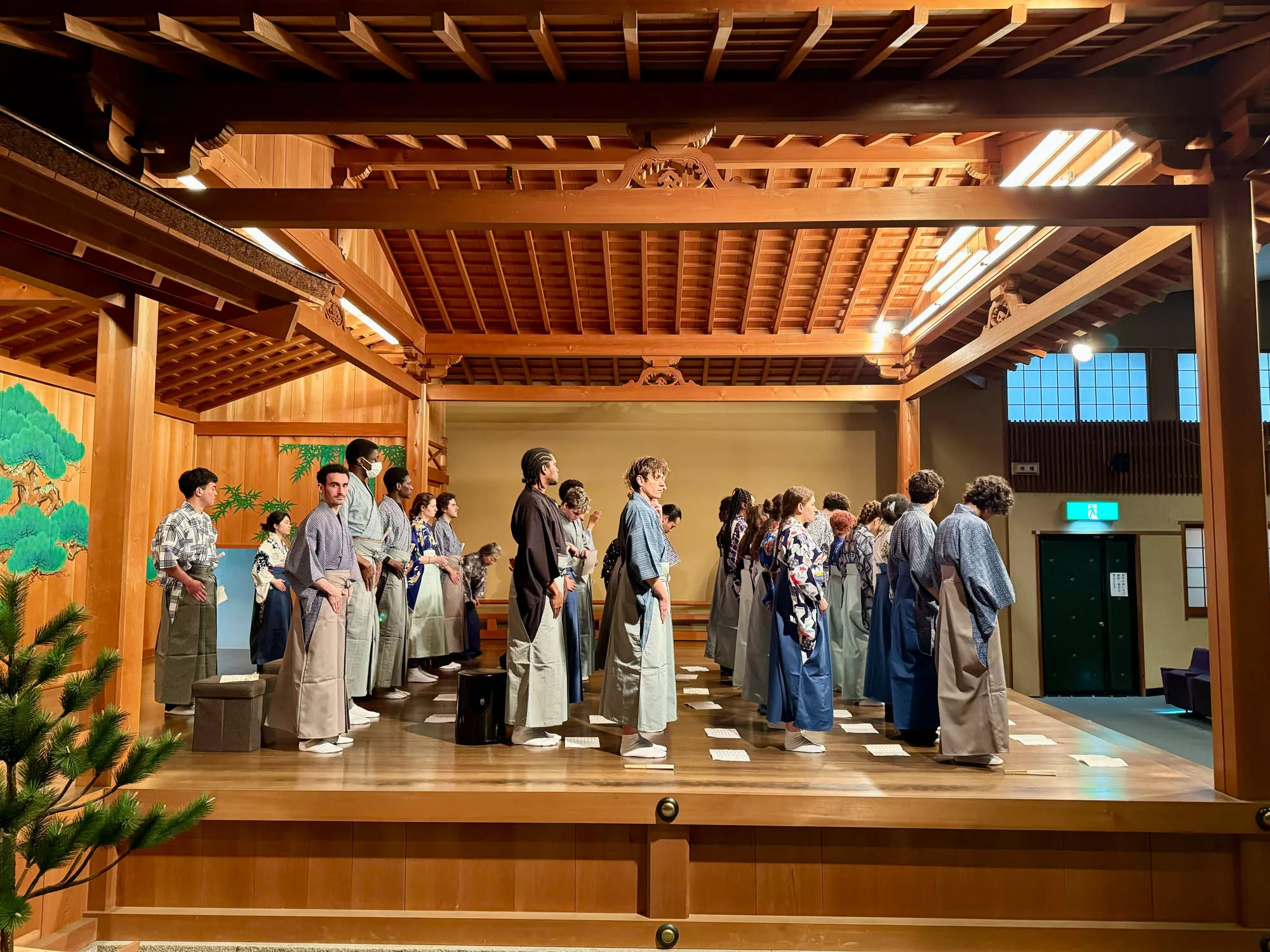
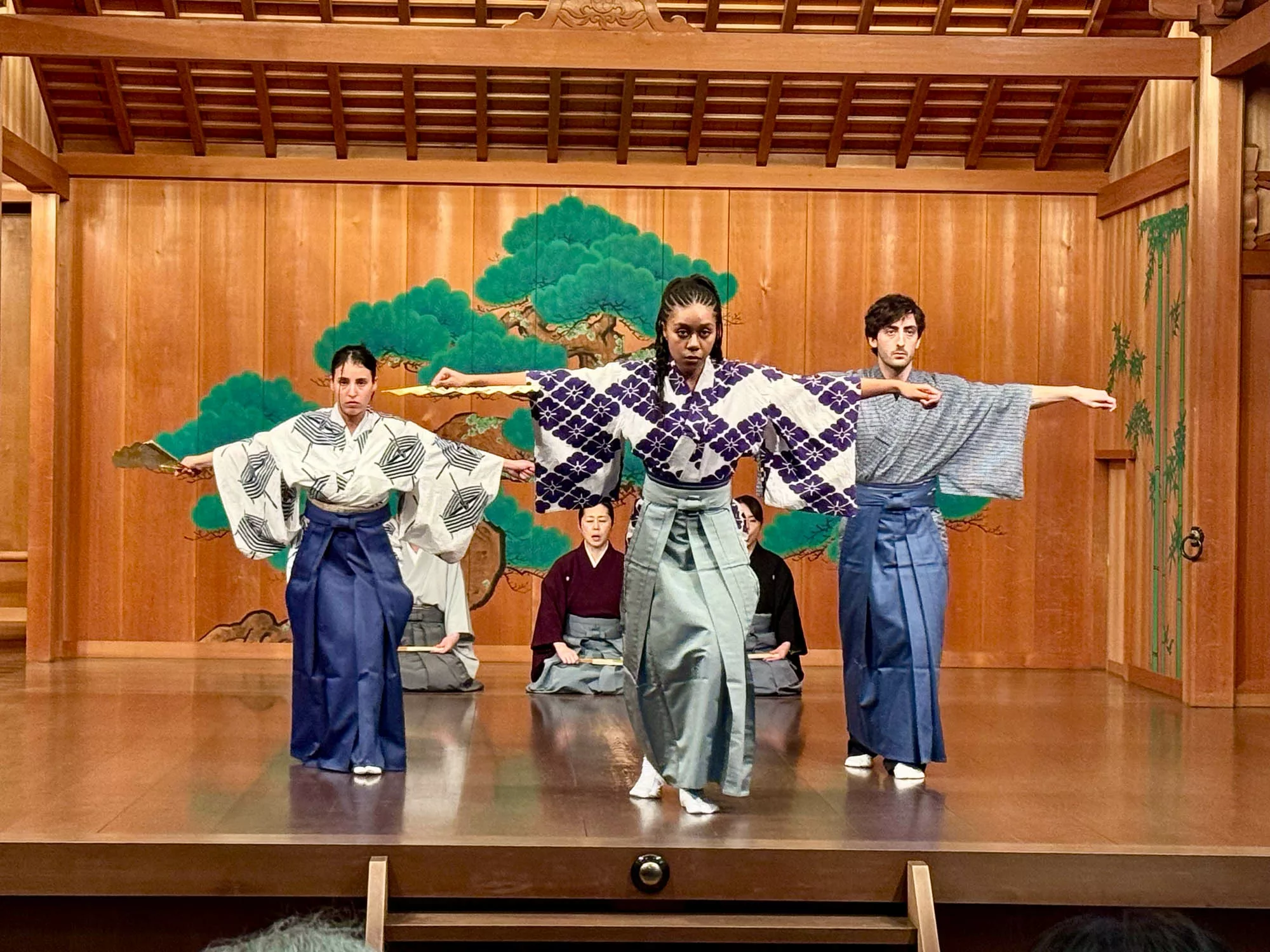
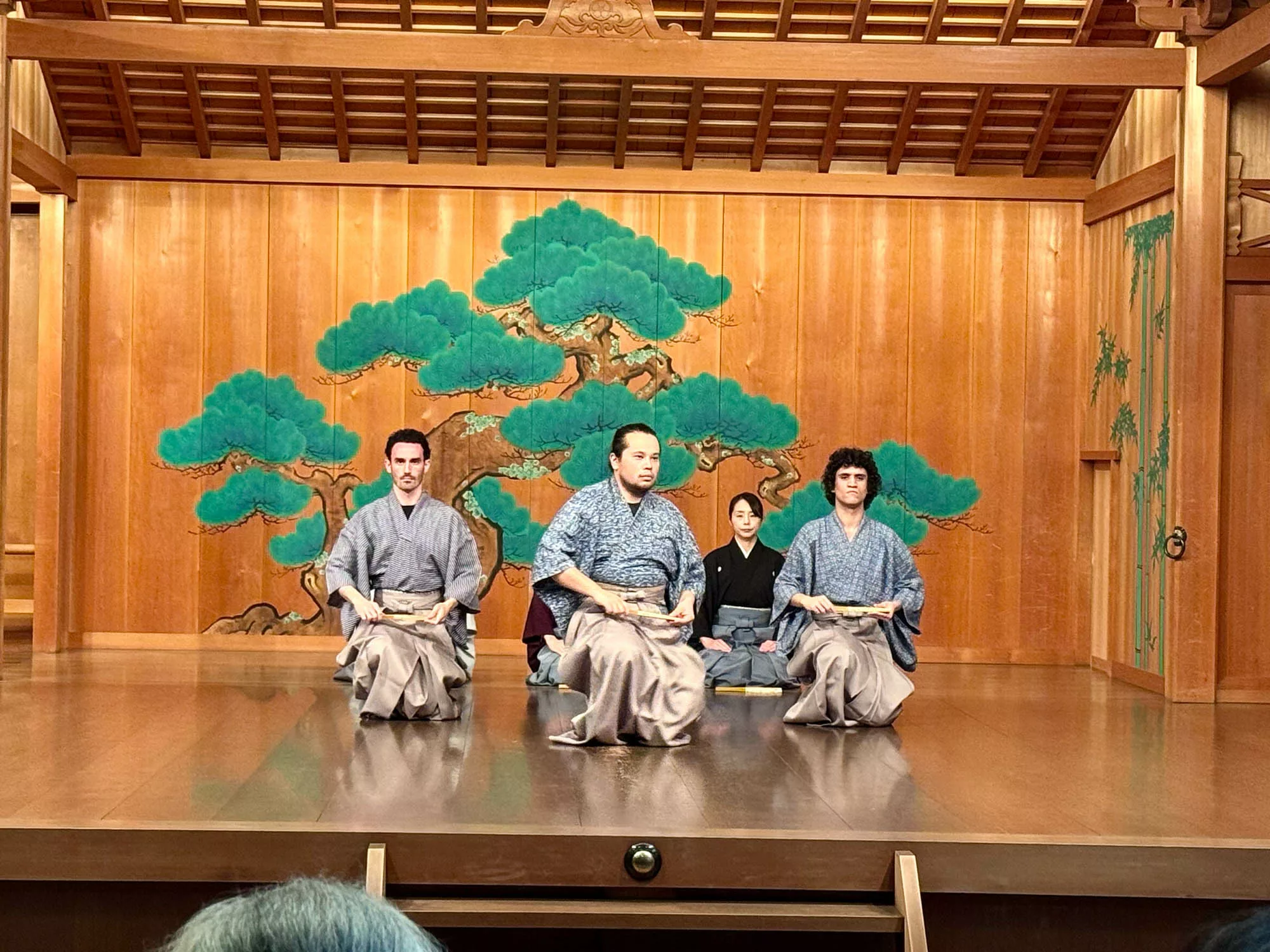
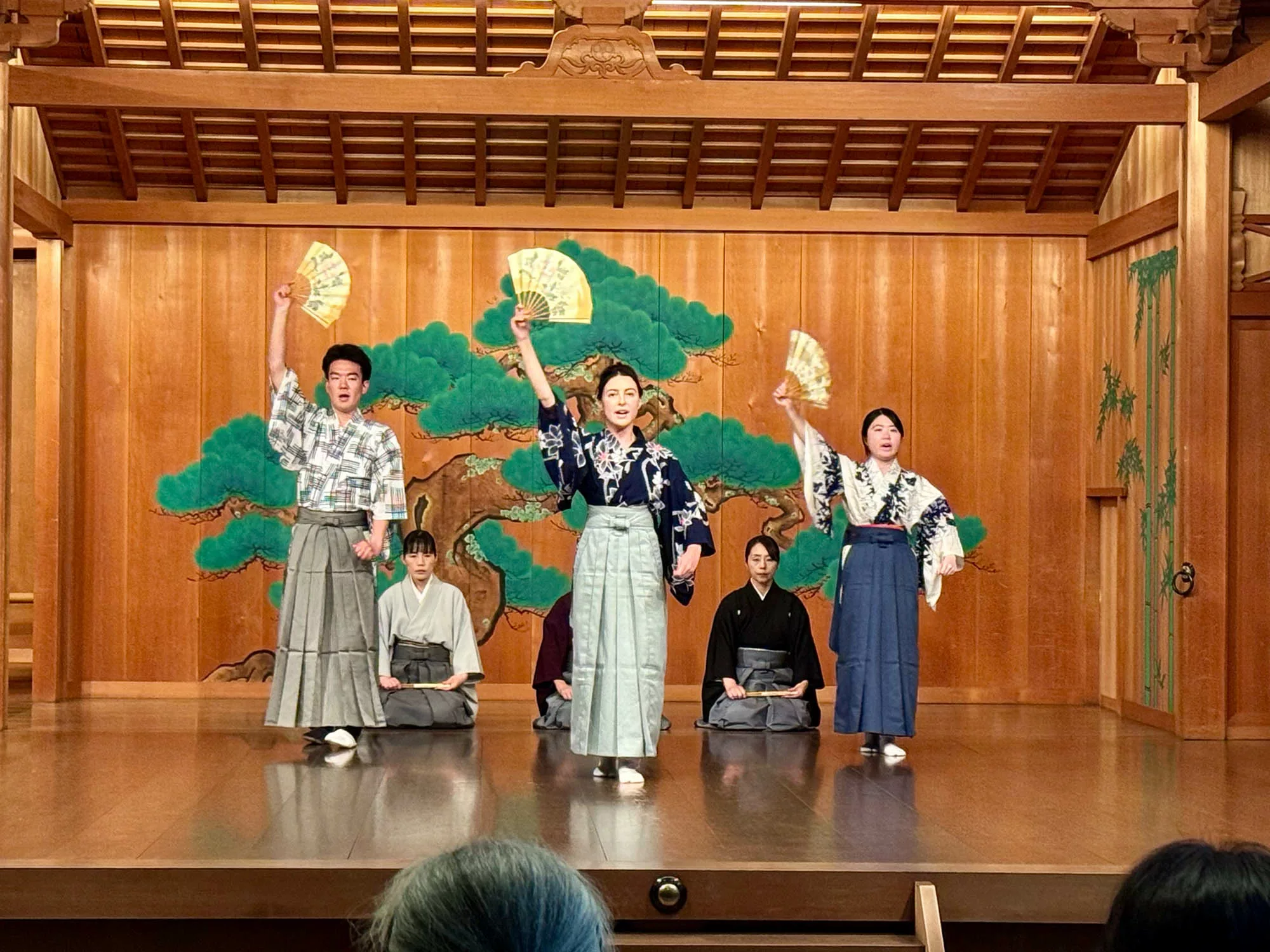
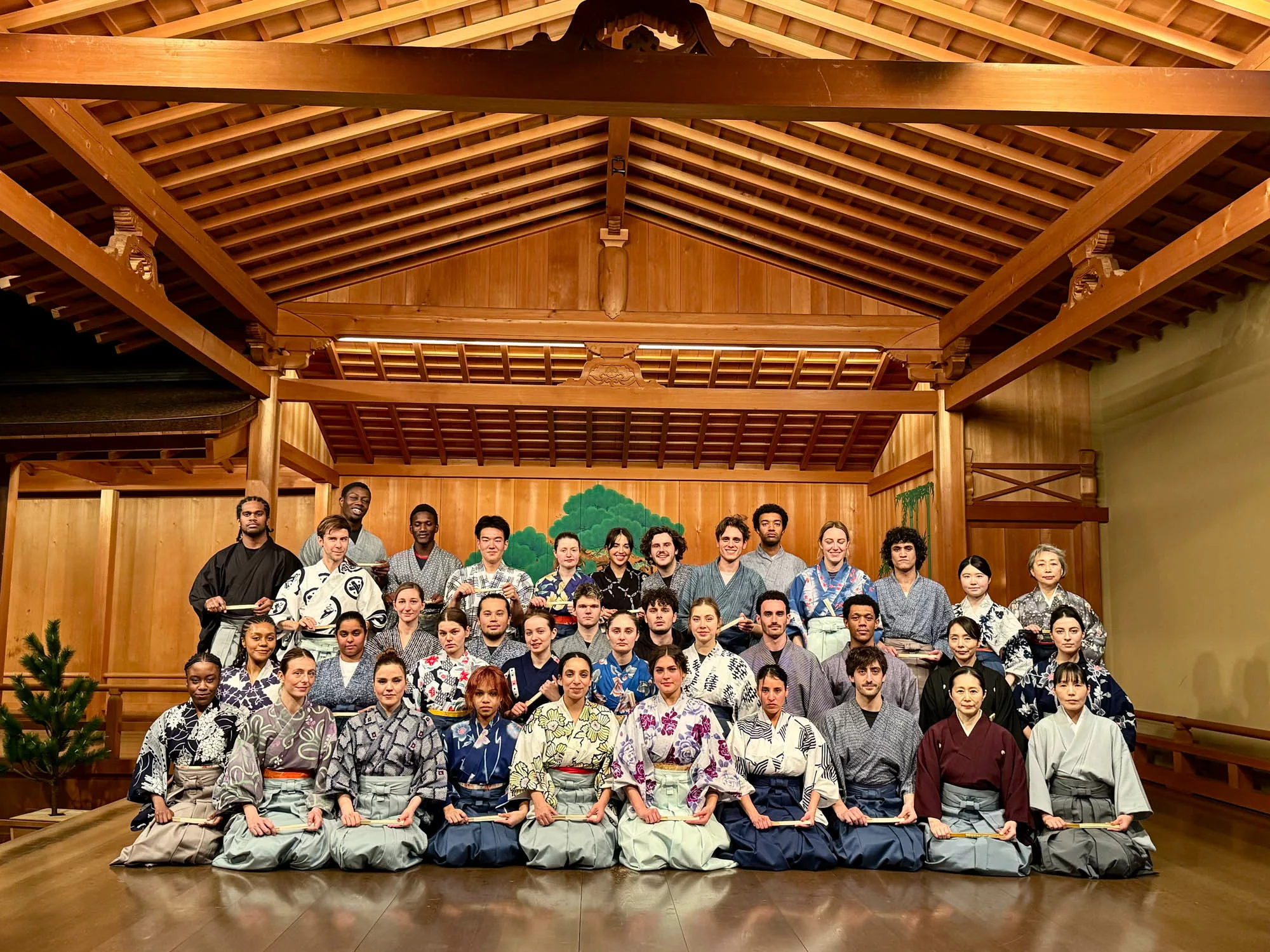
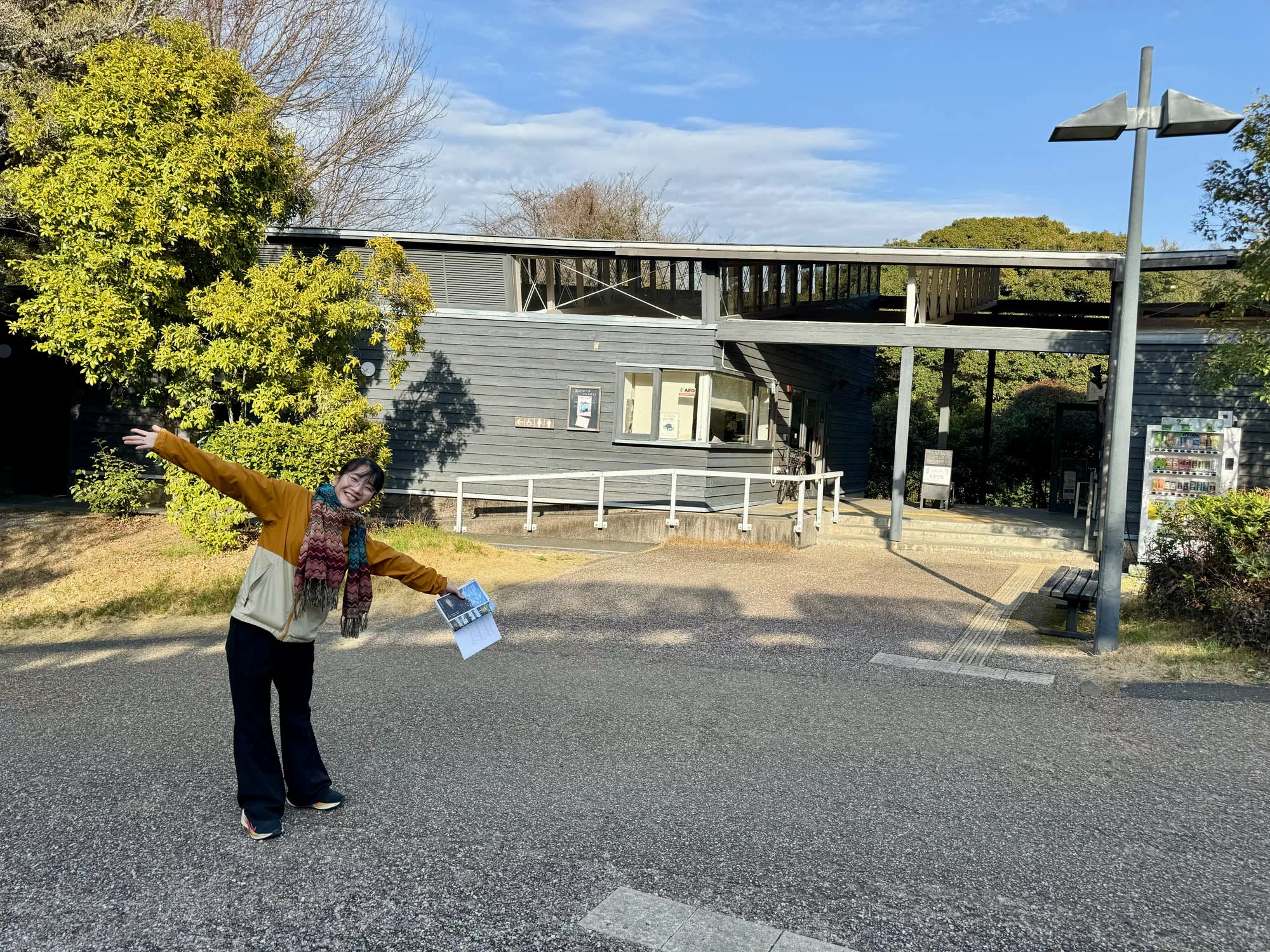
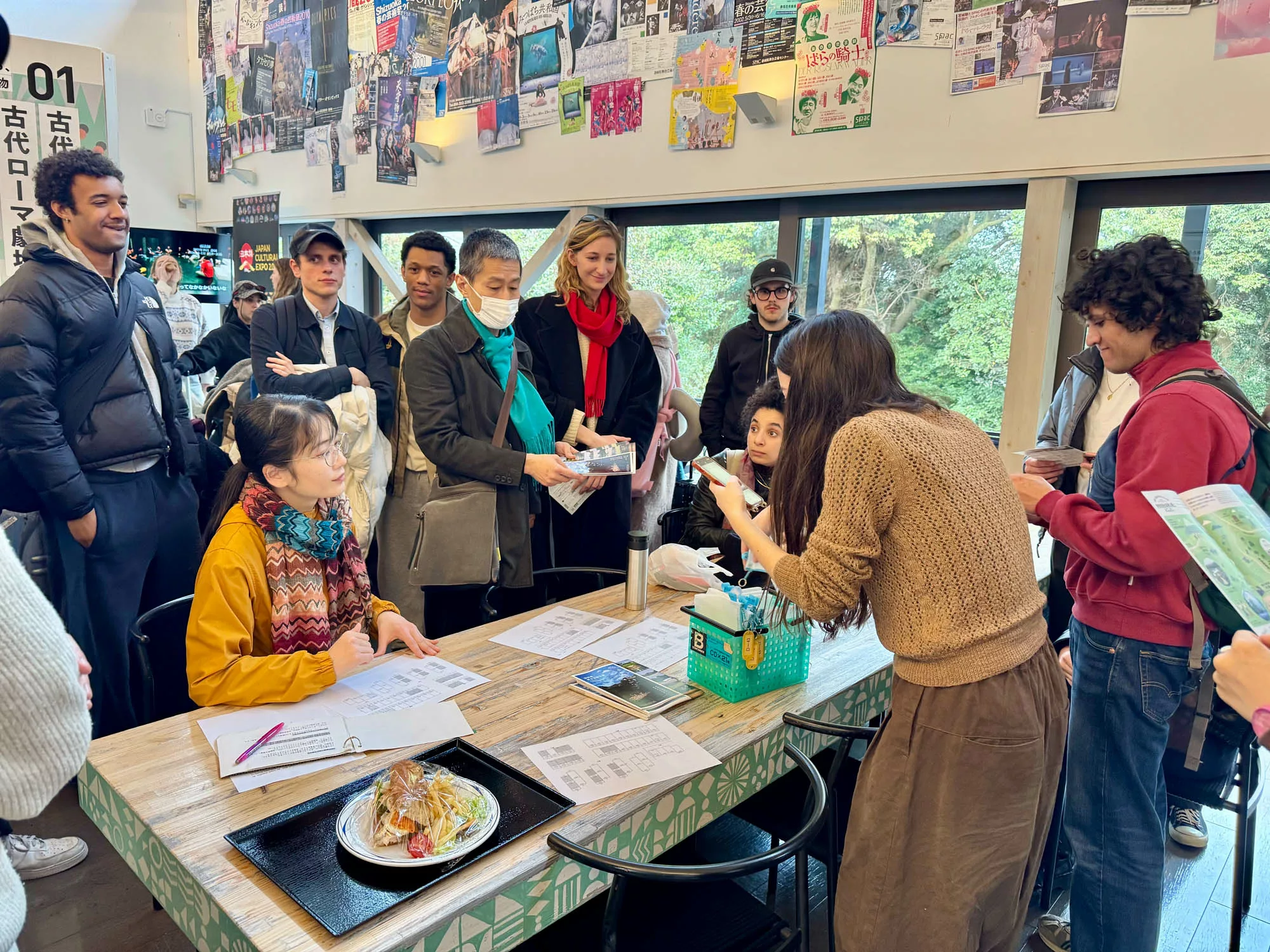
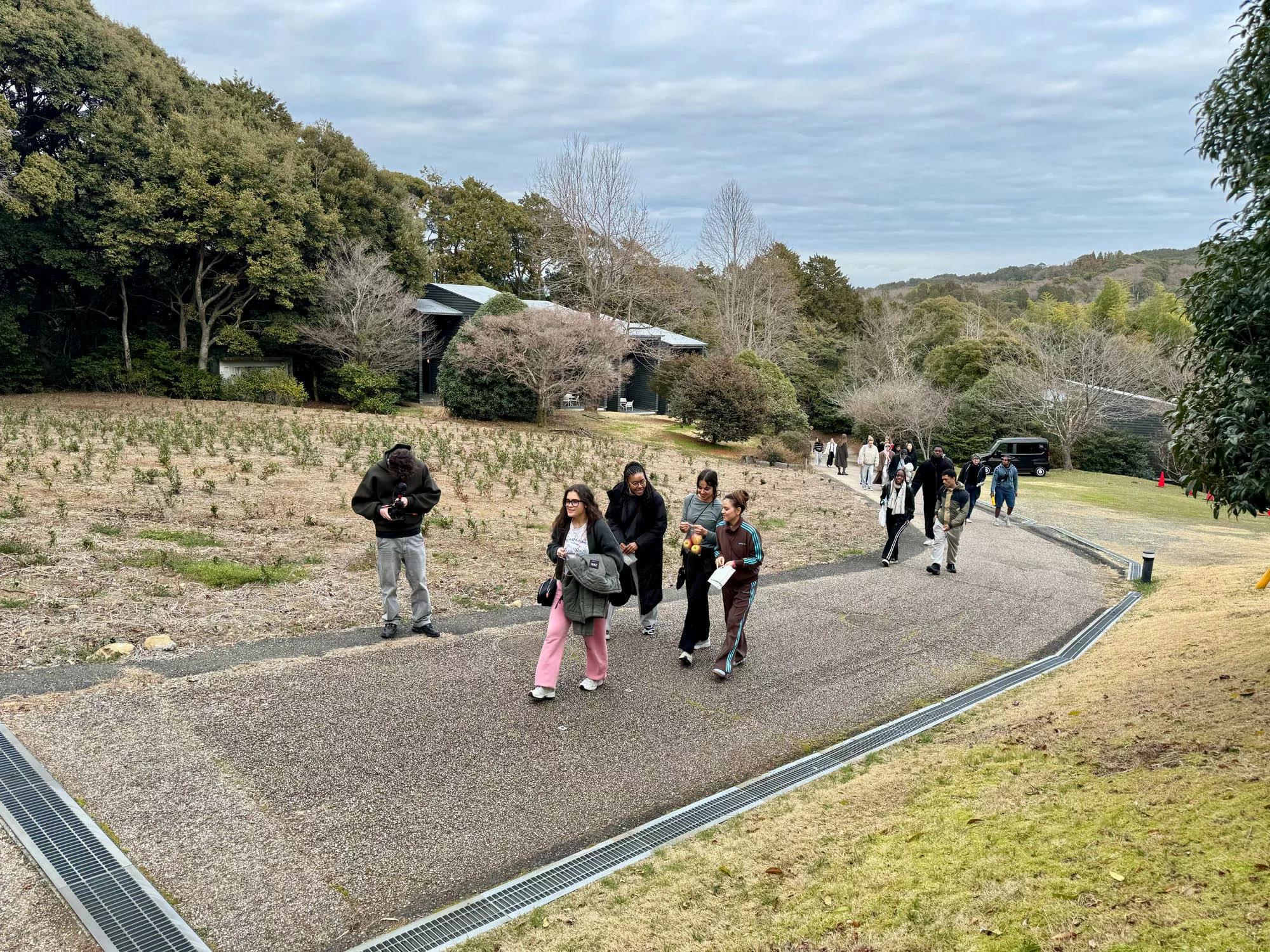
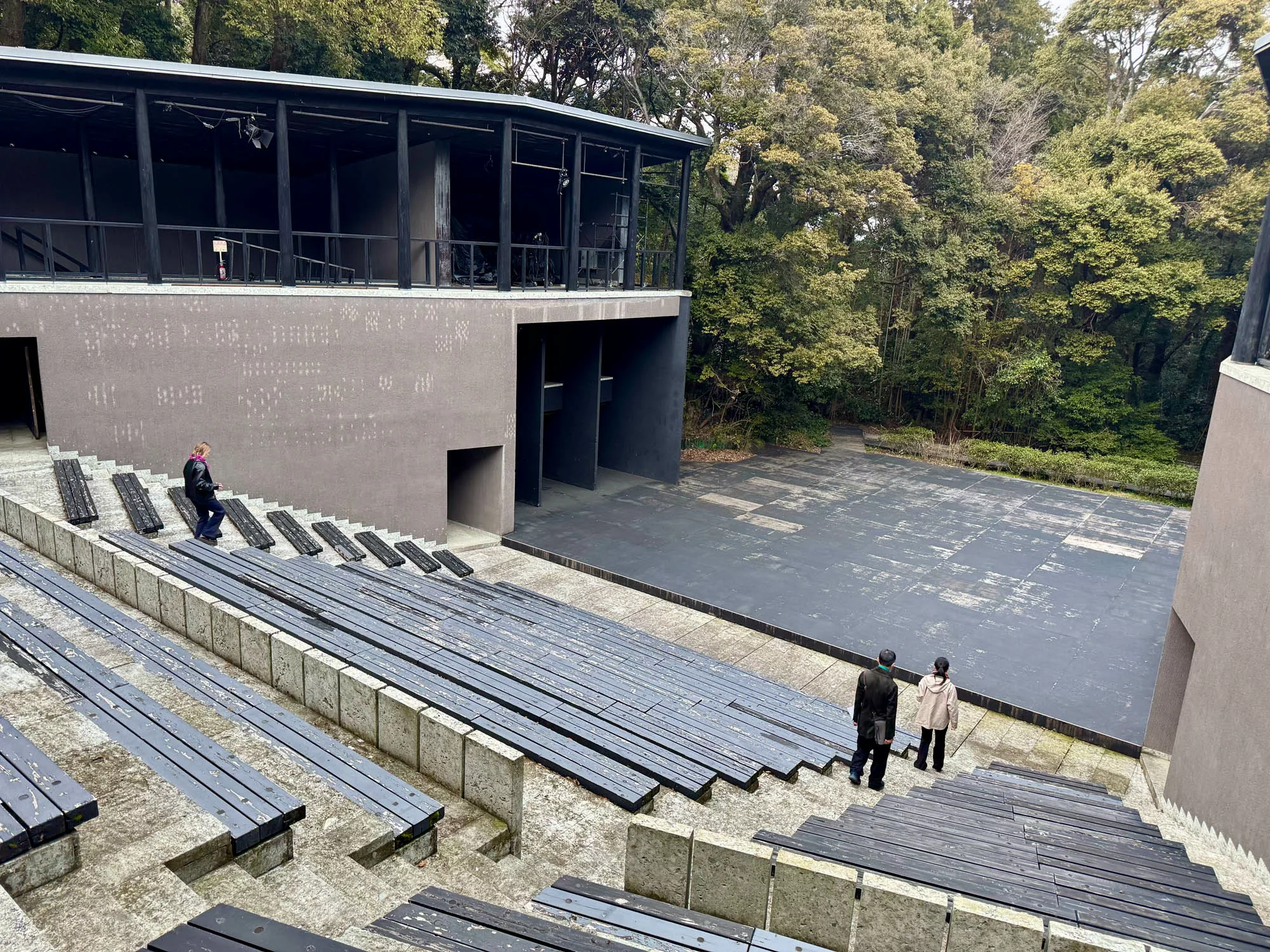
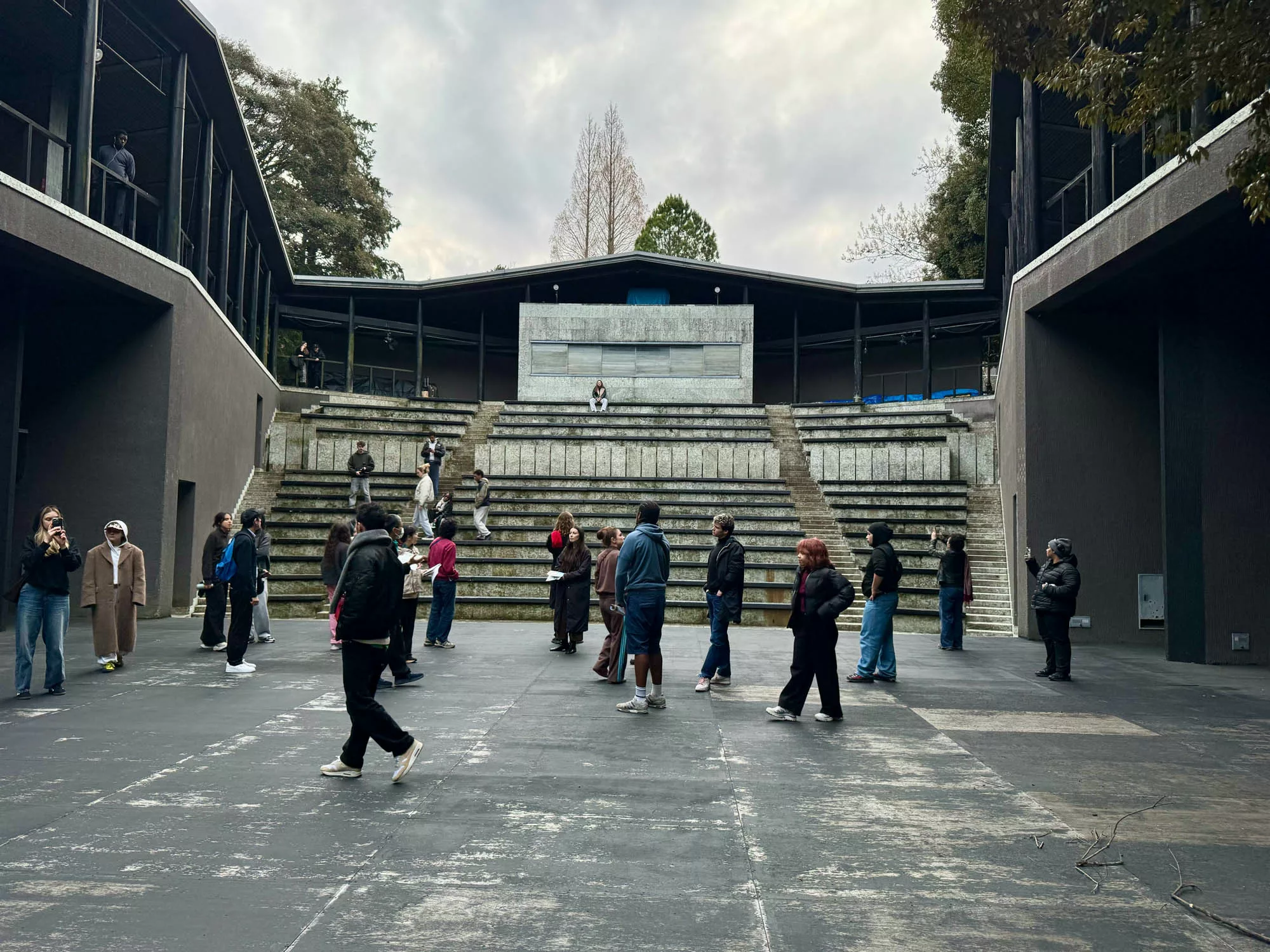
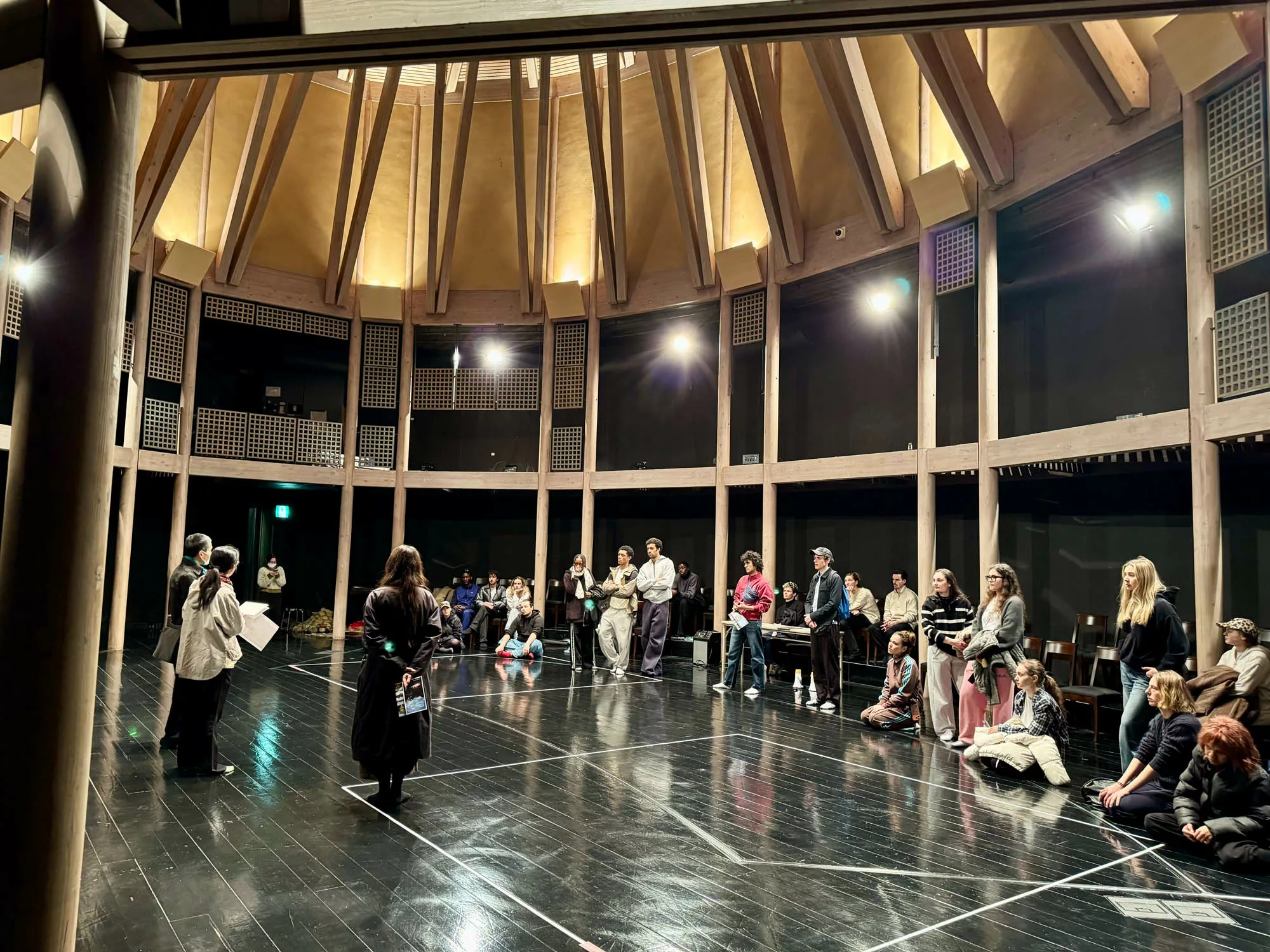
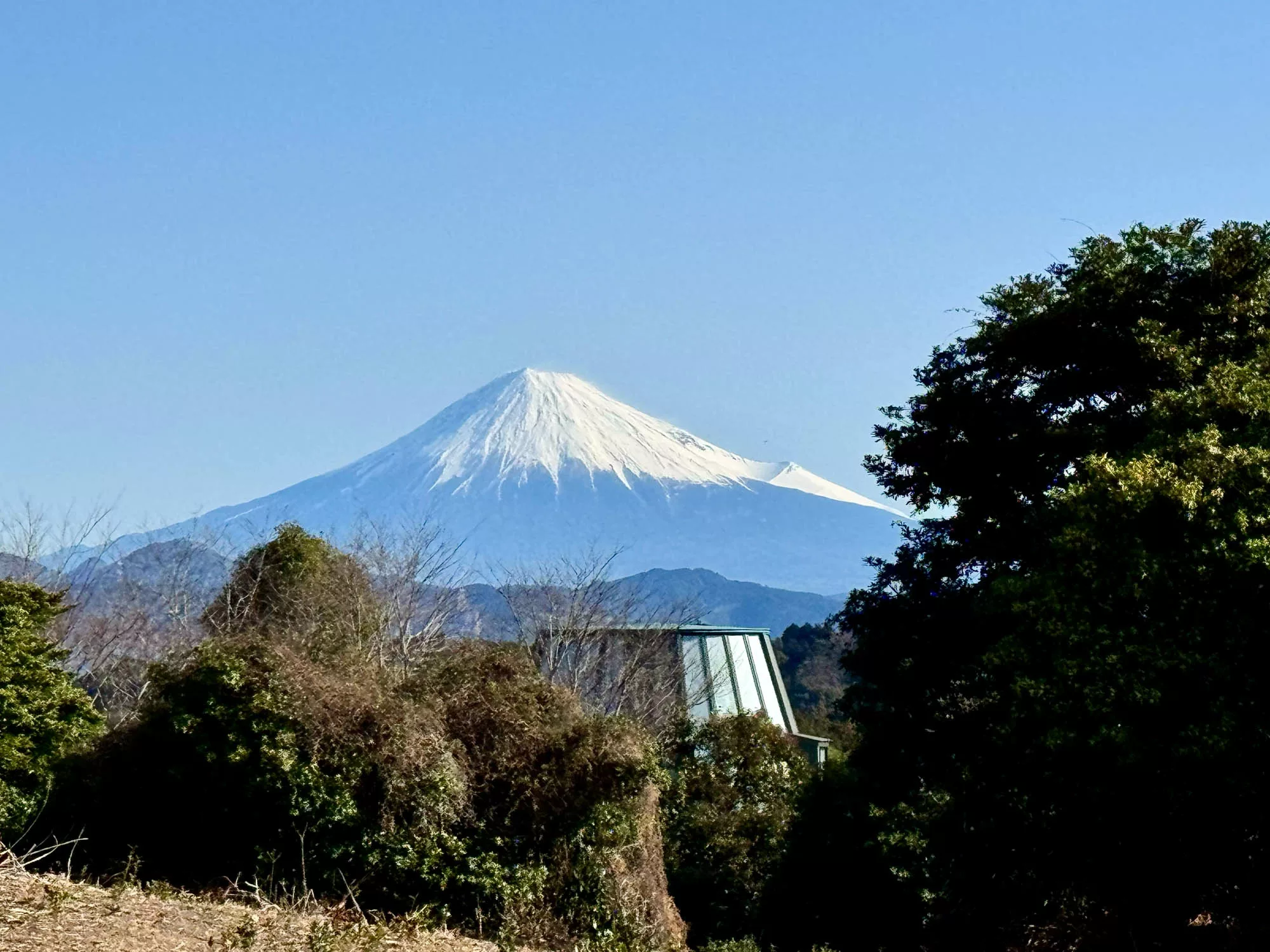
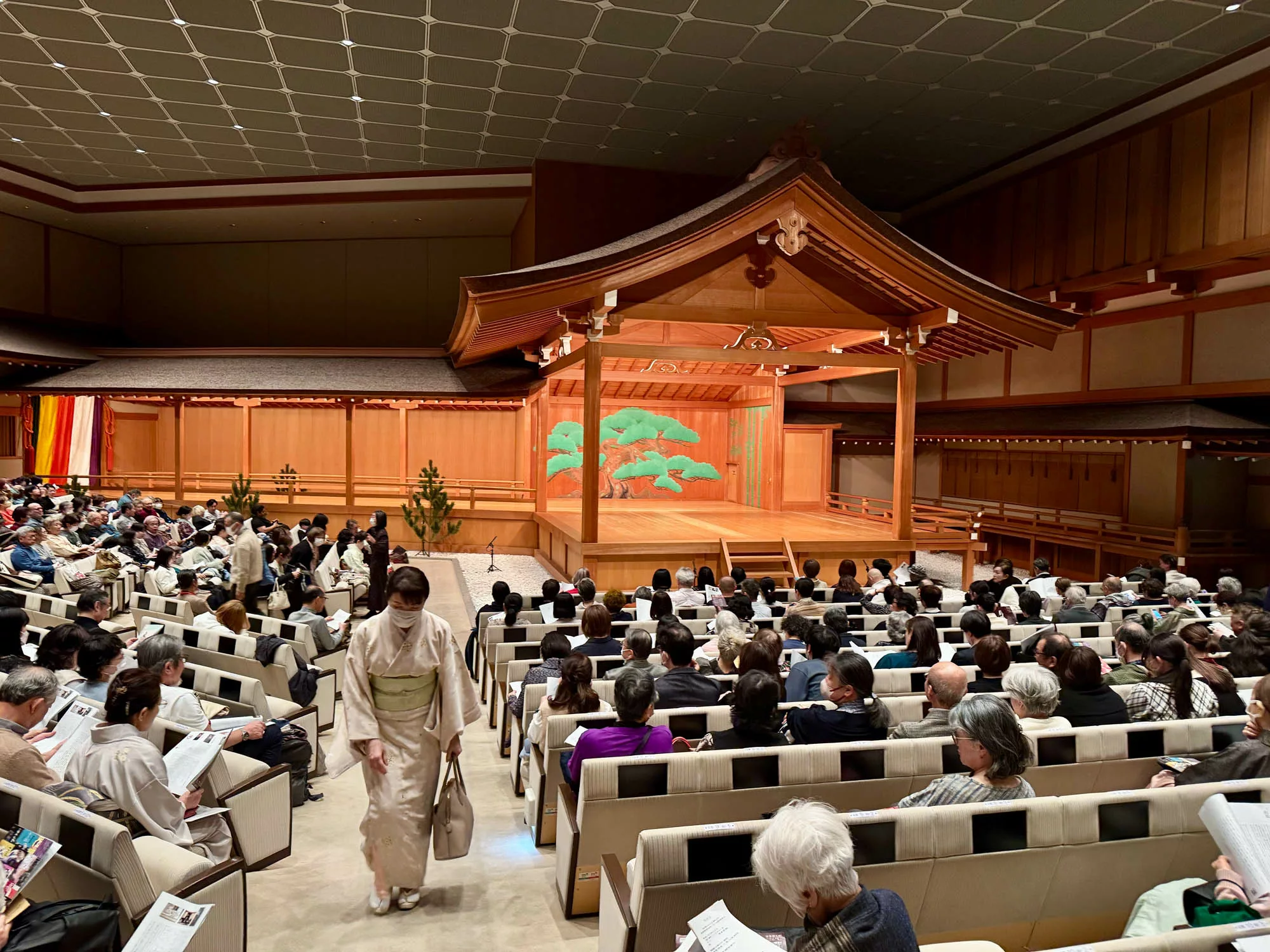
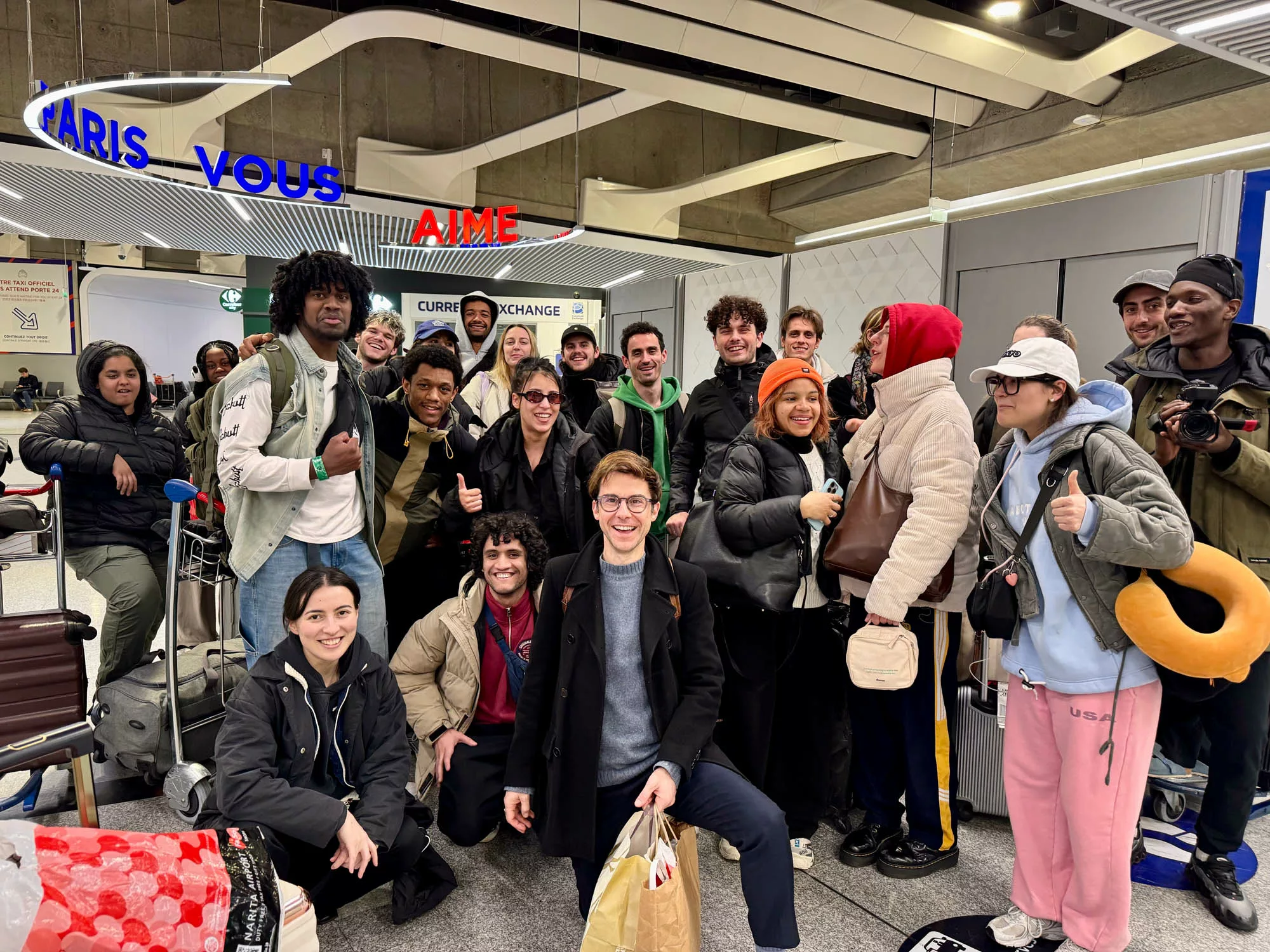
From February 22 to March 9, 2026, the entire group traveled to Japan for two weeks to explore key aspects of the culture and traditional dramatic forms, as well as to begin the creative process for the production. During the first week, we stayed in Fukuyama for an intensive introductory workshop on the fundamentals of Noh theater led by Kinue Oshima, head of the Kita school. The second week was spent at the Shizuoka Performing Arts Center (SPAC), where we began reading through the script and rehearsing the show. We were fortunate enough to participate in a workshop with Satoshi Miyag i— the center’s artistic director — focusing on his approach to directing actors. The trip concluded with a weekend in Tokyo, where we had the opportunity to attend a program of rare Noh and Kyogen plays—including the famous *Tsurigitsune* (The Trapped Fox) performed by great masters of these centuries-old arts, at the National Theatre. It was a truly valuable opportunity for these young artists to encounter different visions, concepts, and practices of theater beyond our own familiar, political, cultural, and poetic boundaries.
Videos
Camera operators:
Grégoire de Calignon, Marie Deshayes, and Mathieu Agius
Image: Myriam Garnier
Sound: Mathieu Desnos
Script supervisor: Arsène Bourgeron
Director: Benoît Finck